

David Durman Secures Religious Exemption From AI Use
David Durman, a nontheistic Humanist, became the first to secure a religious exemption from using AI at work through the American Humanist Association.

Stock photo for illustration only, not from the actual event
- David Durman secured a religious exemption to avoid using AI at work.
- He is the first nontheistic Humanist to achieve this workplace accommodation.
- Durman supports grant-seeking researchers and worries about AI's impacts.
- He was inspired by software engineer Erin Maus who got similar protections.
As artificial intelligence rapidly embeds itself into daily life and enterprise operations, not every employee welcomes the technological shift. Recently, David Durman, a nontheistic Humanist, successfully obtained a religious exemption relieving him from using AI in his professional duties.
Durman reached out to the American Humanist Association (AHA), a nonprofit organization promoting secular humanism, to explore legal avenues protecting him from mandatory AI usage. He believes that relying heavily on automated tools fundamentally contradicts his personal convictions and philosophical framework.
In a published statement released by the AHA, Durman outlined multiple concerns regarding artificial intelligence, noting that AI interferes with people's livelihoods, carries disastrous environmental costs for the planet, and threatens culture by supplanting human creativity in art and literature. Humanism itself is not anti-religious, but it appeals to individuals skeptical of deities or supernatural forces who instead seek a grounding framework in science and morality.
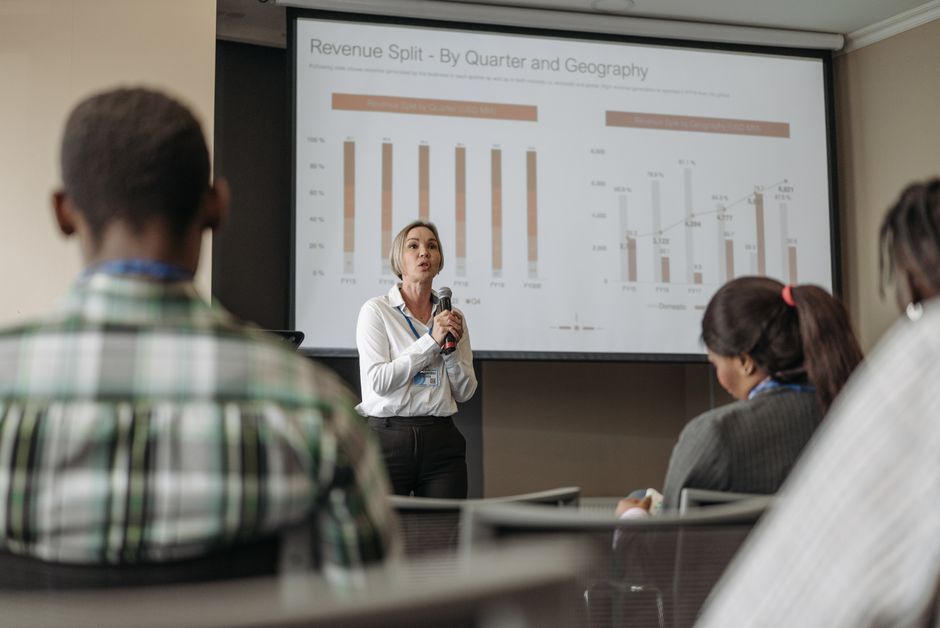
Stock photo for illustration only, not from the actual event
"The way we become moral actors for ourselves and for others is through the active application of our minds, and the diminishing of that [through AI use] is going to necessarily have a negative impact on our ability to do so."
David Durman
Durman stands as the first Humanist to successfully secure workplace accommodations allowing him to abstain from AI usage, and among the initial pioneers to speak publicly about seeking these safeguards. He found inspiration after reading about Erin Maus, a software engineer and Unitarian Universalist who successfully acquired comparable protections for herself.
The ability of employees to claim religious or belief-based exemptions to avoid utilizing new workplace technology highlights an evolving intersection between employment law, personal ethics, and corporate digital transformation. Under U.S. employment law, protected beliefs are not strictly limited to traditional organized religions with a belief in a supreme being, but can also encompass deeply held moral systems of conscience. This precedent could encourage other workers wary of generative AI tools to seek formal accommodations.
In his administrative role supporting researchers applying for grants, Durman has not historically been required to utilize AI. However, with colleagues and leadership across various fields encouraging staff to experiment with these platforms, he proactively pursued administrative safeguards ahead of time in case recommendations ever transition into mandatory policy mandates.
Source: TechCrunch
Found something wrong in this article? Report an issue with this article
Comments
Leave a Comment