

Thailand Keeps Building for Tourists Who May Not Come
Thailand cuts its 2026 visitor forecast to 33 million, yet hotel developers and airlines continue expanding despite slowing arrivals.

Stock photo for illustration only, not from the actual event
- Thailand reduced its 2026 international arrivals forecast to 33 million from 36.7 million.
- Actual arrivals reached 24.4 million between January 1 and October 17, down 4.1% year-over-year.
- The country recorded 167 hotel projects in the pipeline nationwide at the end of June.
- Phuket faces supply pressure with luxury occupancy dipping and average daily rates falling.
Thailand's international tourism outlook has weakened, yet hotel developers and airlines continue to expand their operations. The central question for investors is whether resilient luxury demand and newly targeted source markets will generate sufficient financial returns amidst slowing visitor growth.
The Thai government has officially lowered its international arrivals forecast for 2026 to 33 million, down from the previous projection of 36.7 million. The 2027 target has been set at "at least 33 million," carrying this year's reduced ambition forward. Official figures show that between January 1 and October 17, arrivals totaled 24.4 million, marking a 4.1% decline compared to the same period last year.
Current arrivals are tracking at approximately 69,000 per day, falling significantly short of the roughly 114,000 daily arrivals required to meet original projections. Despite this gap, supply continues to enter the market. At the end of June, Thailand had 167 hotel development projects in the pipeline, including 67 in Bangkok and 44 in Phuket. According to C9 Hotelworks, Phuket alone anticipates 30 new hotels adding 5,517 rooms, with about 40% scheduled for completion in 2027.
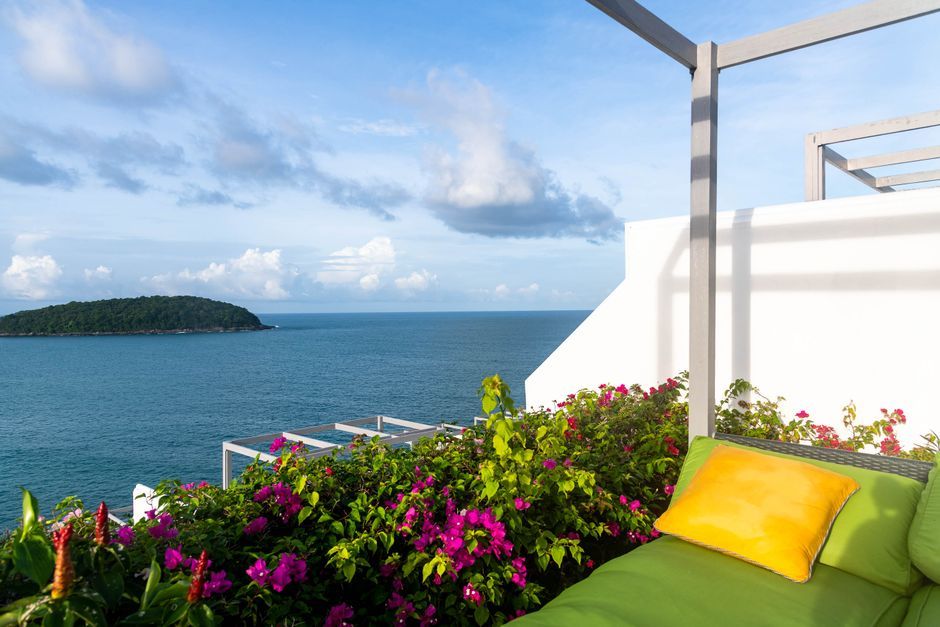
Stock photo for illustration only, not from the actual event
Market performance remains uneven across different regions and hospitality segments. Bangkok's third-quarter RevPAR dropped 5.3% from the previous quarter to 2,532 baht, though the capital city's luxury sector continues to outperform the wider market.
"Luxury guests are less sensitive to financial pressure and expects new luxury openings to lift rates."
Greg Condon from Cushman & Wakefield
Conversely, Phuket is experiencing noticeable pressure. Occupancy rates for luxury and upscale properties in Phuket fell to 80% during the first half of the year from 84.1%, while the Average Daily Rate (ADR) dropped 4% to 6,820 baht due to incoming supply.
From an analytical perspective, the continuous expansion of tourism infrastructure despite slowing visitor numbers highlights long-term confidence among developers in Thailand's enduring appeal. However, managing regional supply distribution and capturing emerging source markets will be critical to avoiding oversupply issues in high-growth destinations like Phuket.
On the aviation front, airlines are re-establishing routes to tap into alternative markets. LOT Polish Airlines resumed flights to Bangkok in October, and Belavia introduced new services connecting Minsk to both Bangkok and Phuket, targeting Eastern European travelers who currently represent a small visitor share.
Forward-looking data from Amadeus indicates that fourth-quarter arrivals are up 2.8% year-over-year, signaling improving demand momentum, though not enough to close the visitor shortfall accumulated throughout the year.
Source: Skift
Found something wrong in this article? Report an issue with this article
Comments
Leave a Comment