

Visible Mending: How Fashion Chains Sell Mended Clothes
The rising trend of visible mending is spreading from community workshops by Jayne Eagle to major fashion brands like Levi's, Primark, and Toast.

Stock photo for illustration only, not from the actual event
- The visible mending trend is turning garment repairs into eye-catching fashion statements.
- Crafters like Jayne Eagle and Alice Brown use embroidery and patching to transform clothing flaws into art.
- Major retailers and fast-fashion brands including Levi's, Primark, Toast, and Shein are embracing the trend.
- Younger consumers show interest in both decorative mending and subtle, traditional repair techniques.
When 27-year-old forest ranger Alice Brown browses second-hand shops and spots a jumper with a hole, it does not stop her from making a purchase. She views it as a challenge, having developed a unique style over the past year by needle-felting cute animals and insects to cover moth holes, stains, and imperfections, which has earned her a massive online following.
She notes that the natural placement for decoration is at the centre front, while holes under the arm or on the shoulder force creative design thinking. Often dubbed visible mending, the trend is spreading from hobby crafters and community workshops into fast-fashion brands and designer catwalks this year.
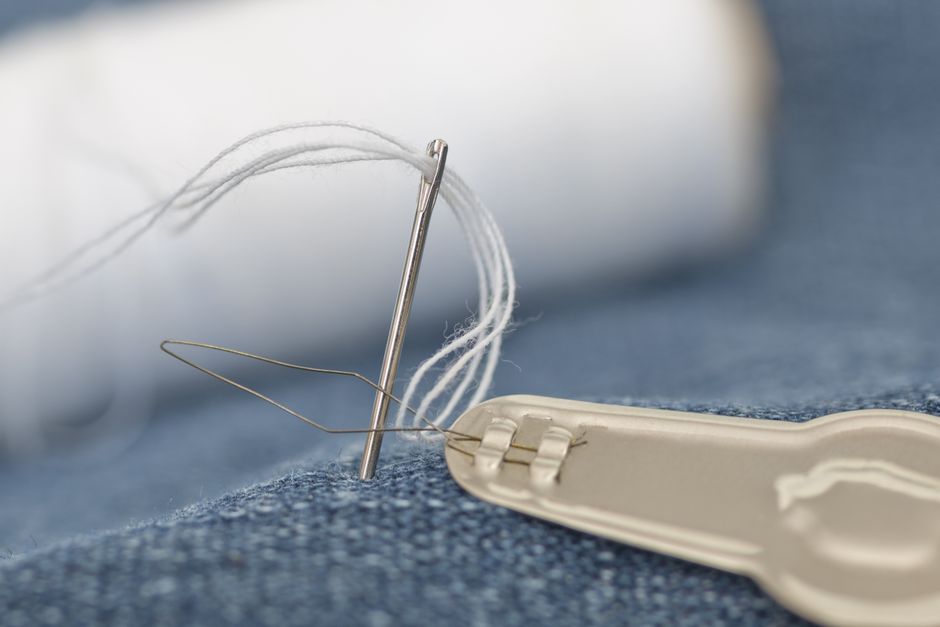
Stock photo for illustration only, not from the actual event
At a Saturday morning workshop in Brighton, Jayne Eagle demonstrates how to attach a fabric patch behind a tear so a cat-face design peeps through. She then instructs students in stitching techniques inspired by traditional Japanese methods Boro and Sashiko, using geometric patterns in large white stitching rather than matching thread colours to make the repair highly decorative, alongside classes in vibrant darning.
The visible mending movement serves as a vital cultural pushback against the throwaway culture established by fast fashion since the 1980s, which eroded traditional clothing care skills. Today's revival goes far beyond financial savings, operating instead as a deliberate protest against overproduction, environmental pollution, and carbon emissions within the global fashion industry.
In the past, mending was primarily about saving money by wearing clothes longer instead of buying new ones, but visible mending celebrates that choice. Jayne Eagle explains that the trend took off around six years ago and has experienced a massive boom ever since.
"The natural place for decoration is in the centre at the front. If the hole is under the arm or on the shoulder, it forces you to think about the design."
Alice Brown
Retailers are now capitalizing on this popularity, ranging from Ralph Lauren to ultra-fast-fashion firm Shein selling stitched and patched garments straight off the peg. Other high street chains are adopting authentic approaches by offering in-house repairs and workshops.
- Toast employs a dedicated team of 14 in-house repair artists offering creative mends.
- Outdoor brand Finisterre reports that about a fifth of its customer mends are designed to be eye-catching.
- Uniqlo provides decorative mending using Sashiko techniques to honor its Japanese heritage.
- Primark has also joined the movement despite its lower-priced fast-fashion positioning.
Levi's, boasting a long tradition of fan-customized repairs using rhinestones and fringed cuffs, is rolling out workshops this year. Research shows younger customers want to repair more but lack skills, though a recent London launch event revealed Gen Z participants favored traditional, invisible mends.
Theo, a 19-year-old who sells clothes at car boot sales, prefers traditional repairs to keep jeans looking original and increase resale value, while his friend Nicholas notes people want to look fresh rather than dishevelled. Nonetheless, Paul Dillinger, Levi's head of global design innovation, believes creative repairs will win them over as their skills develop.
Source: BBC Business
Found something wrong in this article? Report an issue with this article
Comments
Leave a Comment