

King's College London study highlights fruit and veg scraps
King's College London researchers report fruit and vegetable scraps boost fibre intake, noting only 4% of adults meet the 30g daily target.

Stock photo for illustration only, not from the actual event
- King's College London researchers highlight fibre in fruit and veg scraps
- Only 4% of adults meet the recommended 30g daily fibre intake
- Eating a kiwi with skin on provides 50% more fibre
- Green potatoes and rhubarb leaves contain toxic compounds to avoid
Researchers at King's College London published a study on October 30, 2026, revealing that consuming discarded fruit and vegetable scraps such as peels, stalks, and cores can significantly boost daily fibre intake. The experts are encouraging aroot-to-tip eating approach, which includes utilizing watermelon rinds, pineapple cores, and butternut squash seeds.
Official figures indicate that most adults fail to consume enough fibre, with only 4% meeting the recommended 30g per day despite its established benefits for digestive health, enhanced satiety, and reduced risks of heart disease and bowel cancer. As a general rule, the outer skins of fruits and vegetables contain higher concentrations of fibre than their inner flesh. For instance, eating a kiwi with its skin on yields 50% more fibre than eating a peeled one.
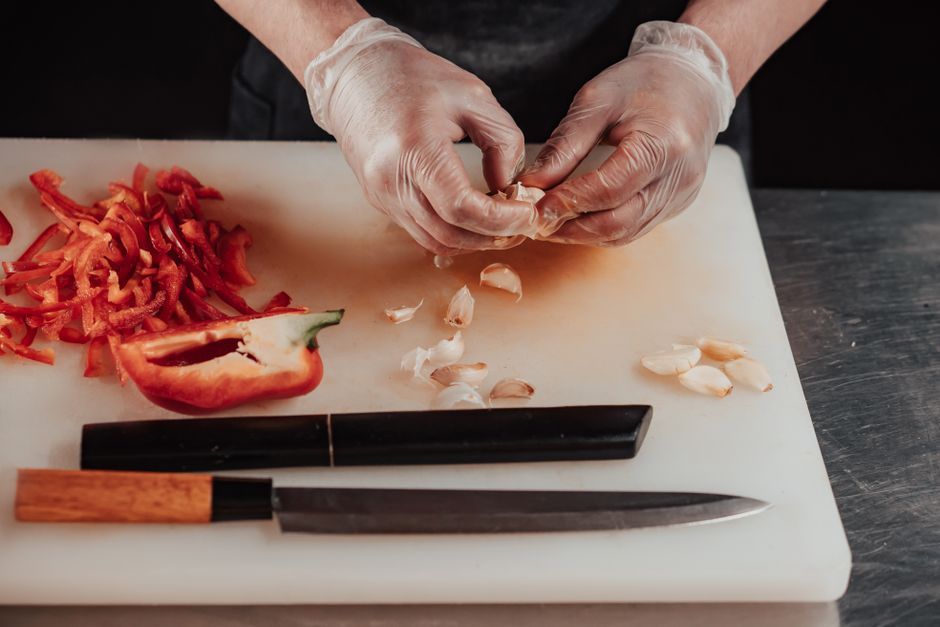
Stock photo for illustration only, not from the actual event
For their research, scientists examined 12 raw and uncooked fresh foods: beetroot, bell pepper, broccoli, butternut squash, cauliflower, celeriac, curly kale, fennel, kiwi fruit, leek, pineapple, and watermelon. The analysis showed that many discarded components contained higher fibre levels than the portions typically consumed by the public.
Key findings from the study include the following measurements:
- Watermelon rind contained 2.10g of fibre per 100g, comparable to a slice of wholemeal bread.
- Butternut squash skin and seeds provided 9.25g of fibre per 100g, nearly matching a bowl of bran flakes.
- Pineapple skin and core delivered five times more fibre than the edible flesh.
- Broccoli stalks contained fibre, although slightly less than the florets.
"The findings suggested people are throwing away a significant amount of fibre."
Dr Rachel Gibson
Project lead Dr Rachel Gibson noted that the results demonstrate substantial waste of valuable dietary fibre. To explore practical applications, King's College London experimented in its campus canteen by offering staff and students root-to-tip meals, such as banana skin curry.
The concept of root-to-tip eating aligns with broader modern sustainability and zero-waste culinary movements designed to minimize food waste while maximizing nutritional value. However, incorporating raw or outer agricultural layers requires meticulous washing to remove potential pesticide residues, alongside an awareness of natural plant toxins that may render certain parts unsafe for consumption.
Throughout the nine-week trial period, root-to-tip dishes accounted for a third of daily hot menu sales, though customers selecting these options were less likely to finish their meals compared to those eating from conventional menus. Kirsten Jackson, a British Dietetic Association dietitian specializing in irritable bowel syndrome, advised that produce must be thoroughly washed and suggested blending pineapple cores into smoothies or finely chopping tough stalks to improve palatability. She recommended increasing fibre intake gradually to prevent bloating, noting that individuals with IBS might find these changes harder to tolerate.
Meanwhile, the British Nutrition Foundation warned that certain items must be avoided entirely, including green potatoes and rhubarb leaves due to toxic compounds, while tough stalks and seeds may pose risks for young children.
Source: BBC Health
Found something wrong in this article? Report an issue with this article
Comments
Leave a Comment