

Apple HomeView and Amazon Echo Show 16 Family Computers
Apple and Amazon launch new smart displays, the $299 HomeView and $499.99 Echo Show 16, aiming to reinvent the shared household screen.

Stock photo for illustration only, not from the actual event
- Apple and Amazon release new smart displays addressing past limitations in the category.
- Apple HomeView launches at $299 with an A18 chip and Liquid Retina display.
- Amazon Echo Show 16 is rebuilt from the ground up at $499.99 with a MediaTek processor.
- Both devices aim to serve as shared family computers for schedules and smart home control.
Three years ago, Jennifer Pattison Tuohy, smart home senior reviewer at The Verge, wrote an obituary for smart displays, noting they were plagued by underpowered hardware and limited software capabilities. Now, both Apple and Amazon have launched new devices that check nearly every box needed to improve the category.
Based on hands-on time with Apple's $299 HomeView and Amazon's $499.99 Echo Show 16, these gadgets might finally transform smart displays into what they were meant to be: the family computer. Not necessarily for homework or paying bills, but as a shared screen for the entire household.
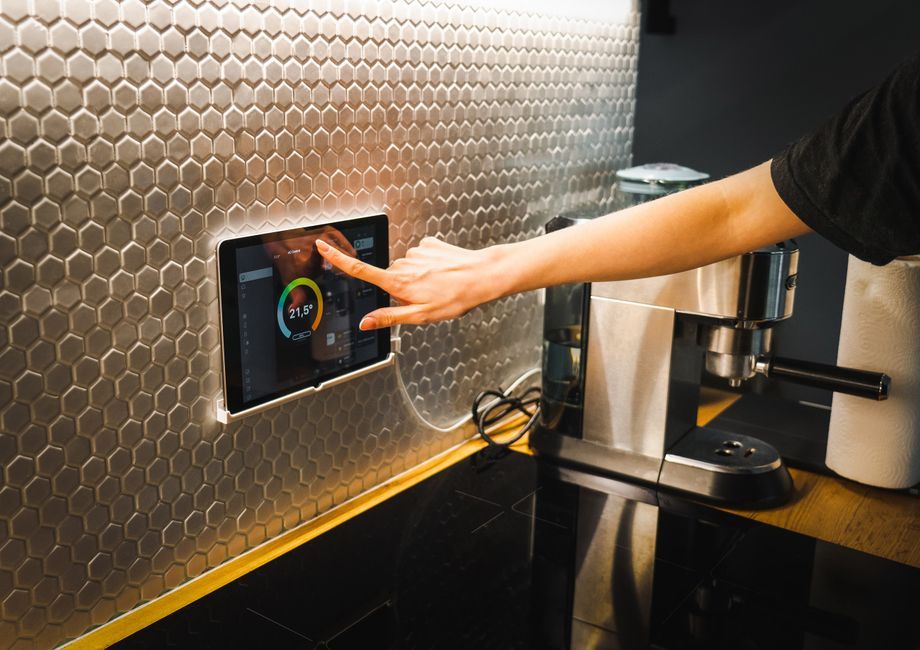
Stock photo for illustration only, not from the actual event
The primary shift is the integration of computer-class hardware into the smart display form factor. Apple introduced its A18 chip and Liquid Retina display, while Amazon utilized a MediaTek processor paired with its Nanomatte display technology.
This hardware upgrade addresses historical performance bottlenecks that hindered earlier devices. However, price remains a significant hurdle, with the new models costing considerably more than older entries like the 2023 Echo Show 5 and Nest Hub.
The inclusion of advanced processing chips in smart displays highlights a broader industry shift toward robust local computing for smart home management, reducing reliance on cloud processing and enhancing response times for household commands.
As modern households become increasingly digital, managing shared schedules, grocery lists, and smart home controls often creates a heavy mental load for individuals. A dedicated communal screen helps alleviate this friction by providing a centralized interface for everyone.
"These could finally turn the smart display into what it should have been all along: the family computer."
Jennifer Pattison Tuohy
While tablets often struggle with multi-user limitations and battery management issues, these stationary smart displays offer a persistent hub designed specifically for shared family organization and home automation tasks.
Source: The Verge
Found something wrong in this article? Report an issue with this article
Comments
Leave a Comment