

Gravity Haus Wants to Make Mountain Life a Membership
Gravity Haus combines hotel rooms, workspaces, and gyms across 13 mountain properties, offering a subscription model for modern outdoor enthusiasts.

Stock photo for illustration only, not from the actual event
- Gravity Haus merges hotel rooms, workspaces, and gyms.
- Membership starts at $450 annually with lodging discounts.
- Generates revenue from day users without booking overnight stays.
- Currently operates 13 properties across the western U.S. and B.C.
Gravity Haus combines hotel rooms, workspaces, and gyms to help people fit more outdoor travel and leisure around their work and family schedules. Founded by Jim Deters, the lifestyle hospitality company currently lists 13 properties across the western United States and British Columbia, aiming to simplify mountain living for time-constrained professionals.
One of the most revealing operational aspects involves revenue generated from guests who never book an overnight room. Jim Deters describes a common scenario where a parent drives up from the Denver area, drops their children off at ski school, and uses the membership to turn the property into a daytime basecamp. Members can work remotely, ski, work out at the gym, grab meals, and wait out traffic before driving home in the evening, allowing the business to capture revenue from visitors who do not require a bed.
The membership structure ranges from a $450 annual entry-level tier offering lodging discounts to property-specific, network-wide, and six-month seasonal passes. Only the higher tiers include day access without an overnight stay, while subscription income overall helps keep management fees charged to hotel assets lower for property owners.
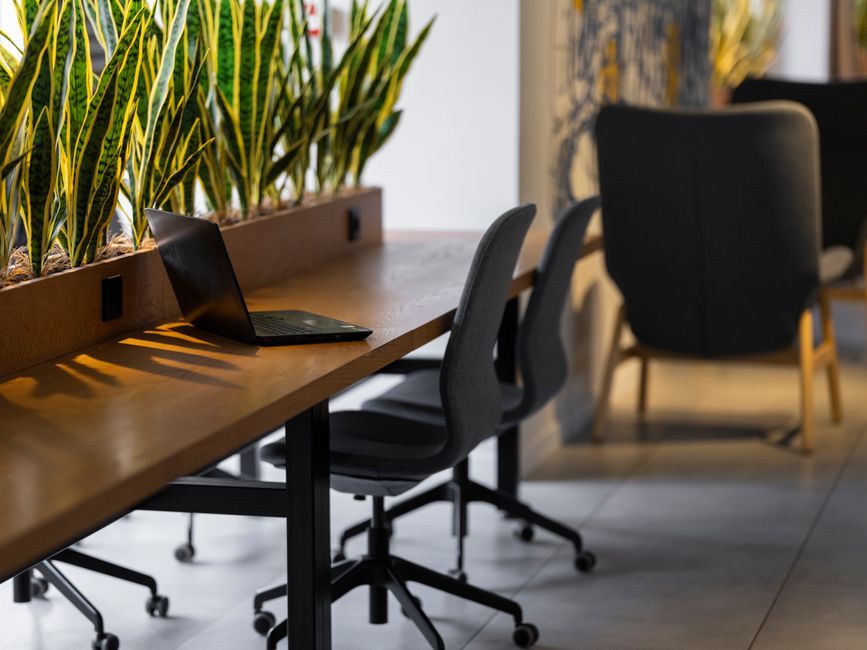
Stock photo for illustration only, not from the actual event
"The hardcore outdoor enthusiast..."
Jim Deters
Deters notes that the target demographic is not necessarily the hardcore outdoor enthusiast, but rather busy parents and professionals who want frequent access to the mountains without paying up to $1,200 a night. Growth relies on securing properties capable of absorbing retrofits for gyms, co-working areas, and gear storage at viable costs, especially as institutional capital increasingly targets mountain hospitality markets like Park City and Stowe.
The subscription model in lifestyle hospitality represents an ambitious shift from traditional transactional booking to recurring membership revenue. By bundling lodging, workspace, and wellness amenities into a single ecosystem, hospitality brands attempt to build predictable revenue streams. However, long-term success ultimately depends on renewal rates, repeat visits, and proving to consumers that an unfamiliar bundled fee outweighs traditional pay-as-you-go costs.
Source: Skift
Found something wrong in this article? Report an issue with this article
Comments
Leave a Comment