

Trirat Questions 1M Solar Roof Plan, Fears SME Exclusion
Trirat Sirichandrapas raises concerns over the 1 million household solar rooftop project, warning that state utilities acting as both installers and regulators could crowd out SMEs.

Stock photo for illustration only, not from the actual event
- Trirat Sirichandrapas questions the government's 1 million household solar rooftop initiative
- Concerns raised over state utilities acting as both service providers and market regulators
- Fears of monopoly control and middlemen driving up overall installation costs
- Calls for a fair playing field to protect SMEs and ensure genuine public benefit
Mr. Trirat Sirichandrapas has voiced serious concerns regarding the national energy policy direction, specifically focusing on the solar rooftop installation project aimed at 1 million households, which has drawn significant attention from the public and the renewable energy sector.
The core issue brought to light involves the dual roles assumed by state electricity authorities, who risk positioning themselves as both commercial installers and regulatory bodies simultaneously. This overlapping authority raises critical questions regarding potential conflicts of interest and fair market competition.
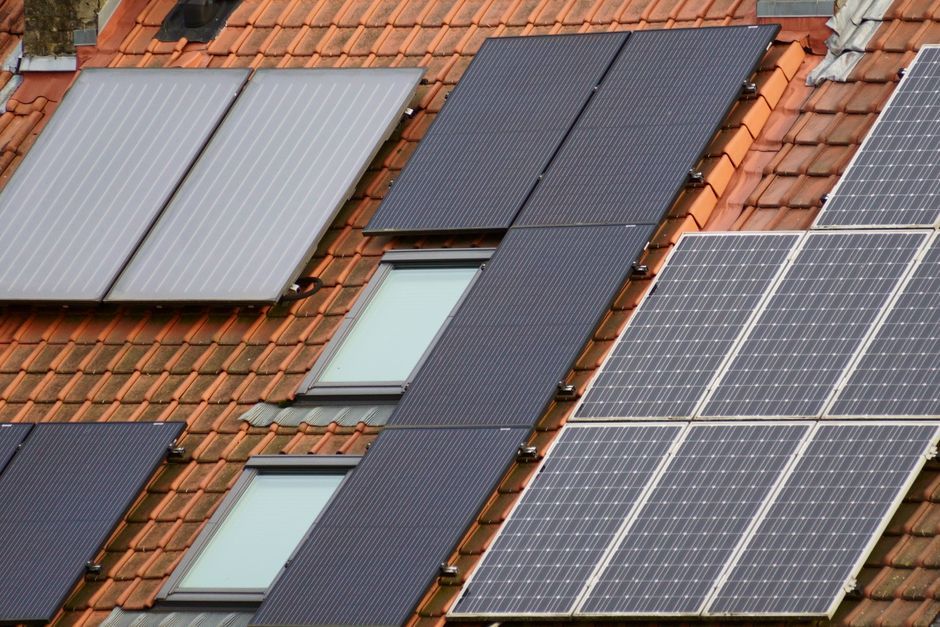
Stock photo for illustration only, not from the actual event
From the perspective of small and medium-sized enterprises (SMEs) in the energy sector, there is profound anxiety that state-backed competition will marginalize independent operators. Private businesses fear they will face severe disadvantages in capital, operational costs, and regulatory leverage. Furthermore, apprehensions remain that powerful middlemen could monopolize the sector, ultimately inflating installation costs for everyday citizens.
From an industrial economic standpoint, when a market regulator simultaneously acts as a commercial market operator, it creates significant governance risks and potential anti-competitive behavior. Ensuring market transparency, separating regulatory duties from commercial operations, and allowing SMEs to compete on innovation and pricing are vital for sustainably reducing electricity bills for the public.
Mr. Trirat urged relevant agencies to provide transparent guidelines and operational details regarding the project to guarantee that the policy genuinely reduces household energy burdens without favoring large conglomerates or creating barriers for small players in Thailand's clean energy market.
Source: Matichon Politics
Found something wrong in this article? Report an issue with this article
Comments
Leave a Comment