

Thailand Environment Minister Discusses Strict E-Waste Controls
Natural Resources and Environment Minister Suchart Chomklin joined Deputy PM Supajee Sutumpun on Oct 30, 2026, proposing stricter import controls on e-waste and metal scraps.

Stock photo for illustration only, not from the actual event
- Suchart Chomklin, Minister of Natural Resources and Environment, attended the e-waste committee meeting on Oct 30, 2026.
- Deputy Prime Minister and Commerce Minister Supajee Sutumpun chaired the meeting at the Ministry of Commerce.
- The Ministry proposed stricter controls on metal scrap imports without enacting a total ban.
- Importers must declare impurities, import purposes, and destination facilities clearly to prevent hazardous waste smuggling.
At 3.00 PM on October 30, 2026, Mr. Suchart Chomklin, Minister of Natural Resources and Environment, attended the electronic waste management committee meeting held at the Kittikorn Meeting Room on the 4th floor of the Ministry of Commerce. The meeting was chaired by Mrs. Supajee Sutumpun, Deputy Prime Minister and Minister of Commerce, aiming to establish management guidelines for electronic waste and metal scraps while fostering inter-agency cooperation.
The discussion focused on formulating concrete solutions for electronic waste and metal scrap issues, prioritizing import regulation, preventing the smuggling of hazardous waste, and establishing appropriate management frameworks for metal scraps.
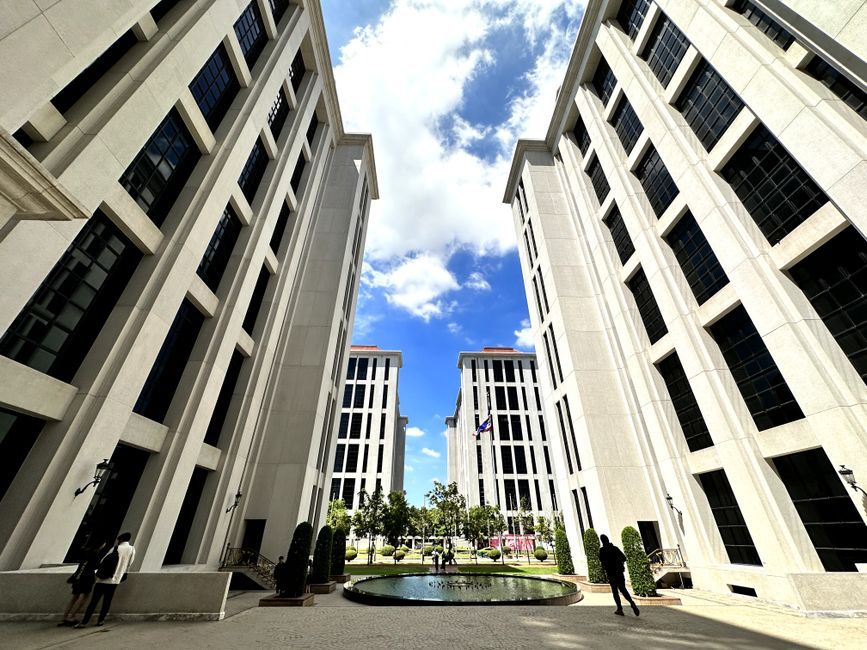
Stock photo for illustration only, not from the actual event
Mr. Suchart stated that the Ministry of Natural Resources and Environment, through the Pollution Control Department acting as Thailand's Basel Convention Focal Point, has collaborated with the Customs Department and the Department of Industrial Works. Officials have inspected high-risk import containers suspected of illegal electronic waste smuggling and investigated industrial plants facing public complaints across several regions, particularly in the eastern part of the country.
The Basel Convention mentioned in this context is an international treaty designed to reduce the movement of hazardous waste between nations, specifically preventing the transfer of hazardous waste from developed to developing countries. The collaboration between the Pollution Control Department, Customs, and Industrial Works highlights that Thailand's e-waste and scrap metal issues heavily involve port entry and false declarations. Requiring importers to transparently disclose impurity data and destination plants enables authorities to track waste streams from origin to final processing.
Regarding long-term solutions, the Ministry believes measures should be implemented from source to destination, proposing stricter oversight on metal scrap imports rather than a complete ban.
Under the proposed framework, importers must provide detailed information regarding impurities mixed within metal scraps, along with clear statements of import objectives and designated destination factories, provided that the impurity levels remain within regulated thresholds.
Source: Khaosod Politics
Found something wrong in this article? Report an issue with this article
Comments
Leave a Comment