

Intel Stock Crashes, Knocking $12B from Government's Stake
Intel shares plummet, wiping $12 billion off the US government's stake after the company issues weak Q4 revenue guidance.

Stock photo for illustration only, not from the actual event
- Intel's steep stock crash wiped out $12 billion from the US government's equity stake.
- The company projects Q4 revenue between $15B and $16B, missing analysts' $17B expectations.
- Gross profit margin is expected to decline to 37% with no positive cash flow amid heavy investments.
- PC sales are suffering as the AI industry gobbles up memory and components, driving up prices.
Intel shares suffered a massive rout, reducing the value of the US government's holdings by $12 billion, according to reports by CNBC. The Trump administration acquired a 10 percent stake in the chipmaker over a year ago.
The market panic also dragged down Nvidia, which took a major stake in Intel back in 2025, with its stock declining on Friday as well. A large portion of the tech sector, particularly fellow chipmakers, got caught up in the widespread sell-off.
The sell-off was triggered when Intel warned investors to expect fourth-quarter revenue of $15 billion to $16 billion, falling short of analysts' expectations of around $17 billion.
The company also cautioned that its gross profit margin would drop from 43 percent down to 37 percent, and due to aggressive ongoing investments, it expects zero positive cash flow.
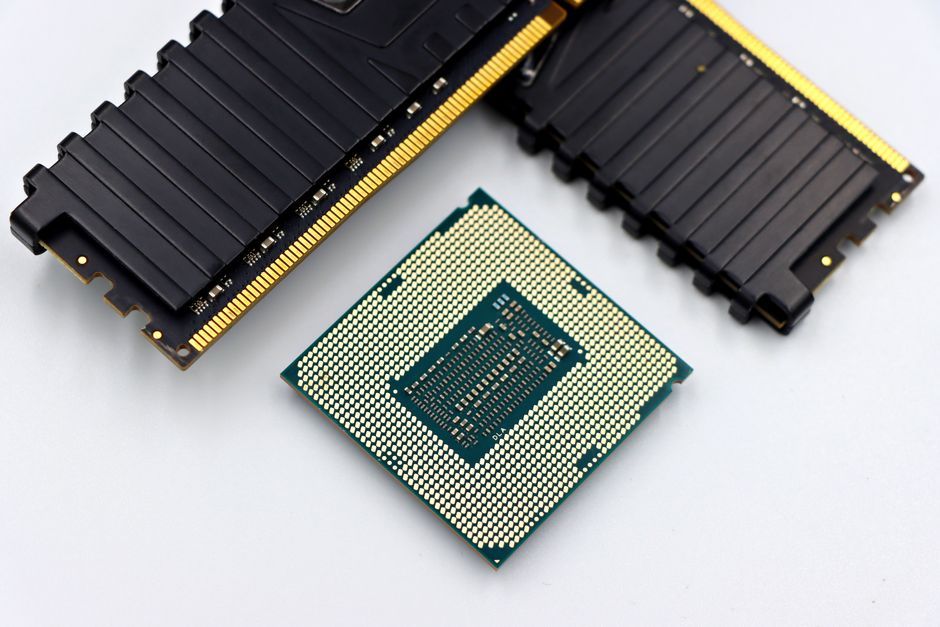
Stock photo for illustration only, not from the actual event
Contextual Analysis: Intel's current crisis highlights the unintended friction caused by the booming AI industry across the broader tech supply chain. While AI demand surges, the fierce competition for memory components creates upstream cost pressures that squeeze traditional PC markets—core revenue pillars for legacy chip giants like Intel—forcing a painful balancing act between future bets and immediate operational health.
The core bottleneck for Intel stems from PC sales being severely impacted by the AI sector devouring memory and hardware components, which in turn drives up overall consumer PC prices.
"Our customers began signaling a PC slowdown based on the memory prices and availability. Year-to-date system endpoint prices have increased significantly, placing additional pressure on already limited IT budgets,"
Lip-Bu Tan, Intel CEO
Source: TechCrunch
Found something wrong in this article? Report an issue with this article
Comments
Leave a Comment