

Global Nature Talks 2026: Deal Reached Despite Funding Gap
Delegates from nearly 200 nations concluded intense talks in Yerevan, agreeing on a new nature action plan while struggling with financial hurdles.

Stock photo for illustration only, not from the actual event
- Delegates from nearly 200 countries finalized a new nature action plan in Yerevan, Armenia.
- The world faces a sixth mass extinction event with extinction rates 100 times normal levels.
- Nations have protected 623 million acres of degraded land but face severe funding shortfalls.
- The Cali Fund raised only $10,000 against an estimated potential of $3.6bn annually.
Global biodiversity negotiations in Armenia's capital turned intense as delegates from nearly 200 countries debated for nearly two weeks in Yerevan. Early Saturday morning, hours past the scheduled conclusion of the summit, the negotiating parties finally reached a consensus on the core elements of a new action plan.
Four years prior, these same nations had signed a landmark agreement committing to halt and reverse the decline of nature. That 2002 global pact, known as the Global Biodiversity Framework, established 24 specific targets, including placing 30% of the world's land and seas under protection by the decade's end.
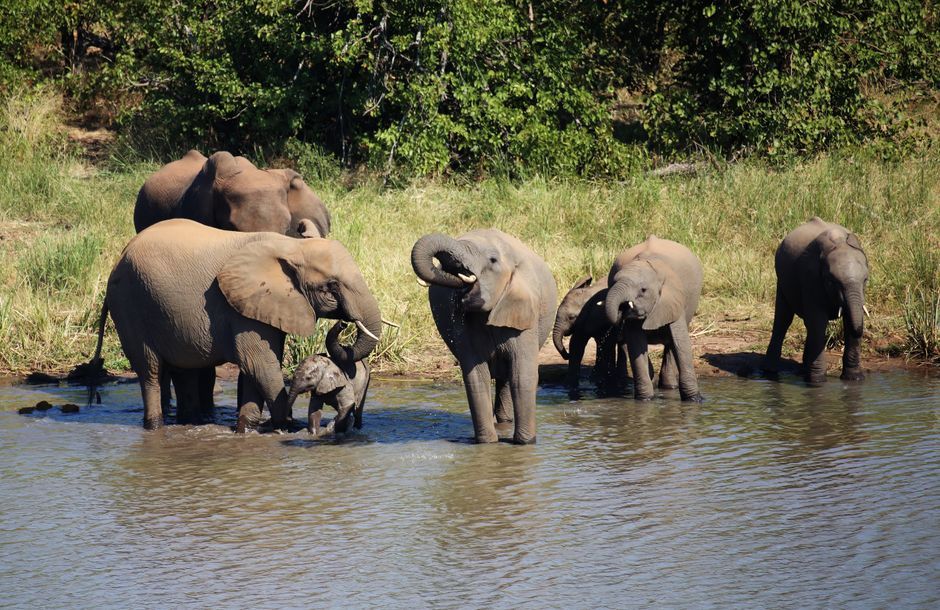
Stock photo for illustration only, not from the actual event
Scientists warn that the planet is currently undergoing its sixth mass extinction event, with species dying out at 100 times the natural rate due to human activities. According to United Nations reports released this week, the global community is currently on track to achieve only a single target out of the entire set of two dozen, a shortfall openly acknowledged by countries at the summit.
The recurring failure of the international community to meet biodiversity targets highlights the constant friction between short-term economic priorities and long-term environmental preservation. In practice, governments frequently redirect budgets toward defense and energy security crises, leaving conservation efforts underfunded despite the catastrophic economic risks posed by ecosystem collapse.
Craig Bennett, CEO of The Wildlife Trusts, told BBC News that the world continues to witness an alarming loss threatening global ecosystem collapse, noting that words fall short in describing the severity of the crisis. However, he emphasized that numerous global examples demonstrate successful pathways to reversing the damage.
Participating nations have successfully placed 623 million acres (252 million hectares) of degraded land under protection, an area surpassing the size of Greenland. Just last month, the WWF commended conservation initiatives that achieved significant recoveries among key species, including elephants, green sea turtles, and tigers.
"We are still seeing an appalling loss, threatening the collapse of ecosystems globally. We run out of words really about how serious this is."
Craig Bennett, CEO of The Wildlife Trusts
Despite these ecological milestones, countries recognized that financing remains the primary barrier to accelerating recovery efforts. In 2022, nations pledged $30 billion toward nature recovery by the end of the decade alongside $170 billion from private sources. Yet, shifting international aid budgets toward defense and energy shocks have caused pledges to lag significantly behind required rates.
During the Yerevan meeting, over $1 billion was pledged, with half contributed by philanthropists including Leonardo DiCaprio's Re:wild organization. Meanwhile, Anna Ducros of the International Institute for Environment and Development noted incremental progress regarding government commitments to reduce environmentally harmful subsidies, such as large-scale industrial trawling.
However, funding mechanisms for private sector contributions faced setbacks. The Cali Fund, established to receive donations from companies profiting from environmental genetic material with an estimated potential yield of $3.6 billion annually, secured a mere $10,000 by the start of the meeting. Bennett acknowledged that the voluntary nature of the fund makes it difficult to pressure corporations effectively.
Source: BBC Science & Environment
Found something wrong in this article? Report an issue with this article
Comments
Leave a Comment