

Prachachat Party pushes platform labor bill in Songkhla
Pol. Col. Tawee Sodsong and Worawi Makudi attended a public hearing in Songkhla on Oct 31, 2026, addressing digital slavery and foreign monopoly.

Stock photo for illustration only, not from the actual event
- Prachachat Party held a public hearing for the Platform Labor Promotion and Protection Bill in Songkhla
- Pol. Col. Tawee Sodsong described current platform workers as digital slaves
- Hatyai riders raised concerns over unfair algorithms and capital draining from foreign firms
- Worawi Makudi urged workers to build strong unions to fight against monopoly
On October 31, 2026, at Baan Suan Rusunani, Tha Chang subdistrict, Bang Klam district, Songkhla province, the Prachachat Party hosted a public forum to gather opinions on the Draft Platform Labor Promotion and Protection Act. The initiative aims to elevate rights, welfare, and fairness for delivery riders and all types of digital platform workers.
Key political figures led the session, including Pol. Col. Tawee Sodsong, party leader and party-list MP, alongside Worawi Makudi, deputy party leader and former FIFA executive committee member, listening directly to grassroots feedback in the southern region.
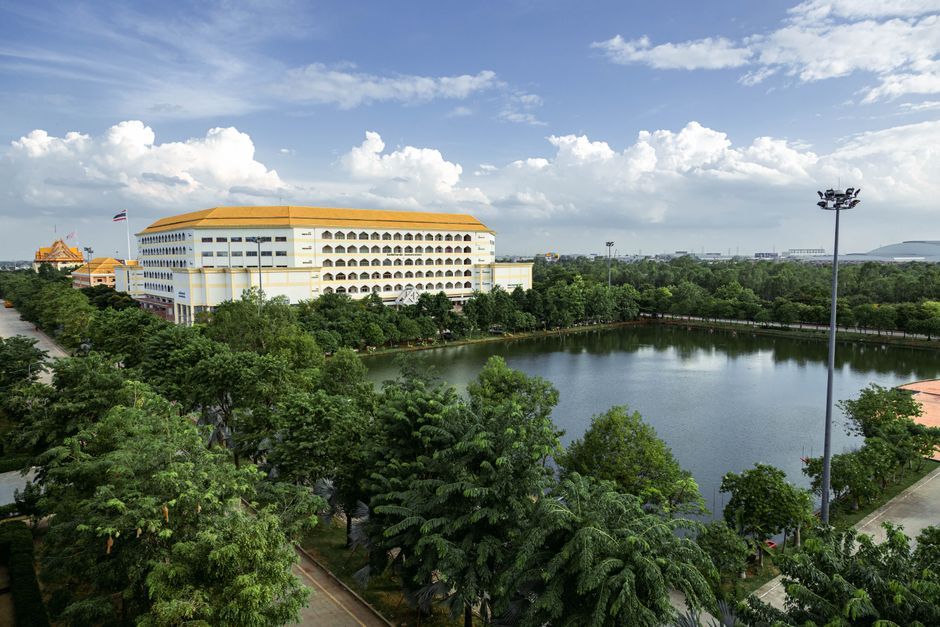
Stock photo for illustration only, not from the actual event
The atmosphere was active as delivery riders from Hatyai voiced structural issues they face daily. They highlighted pressures from multinational capital, unfair algorithm score deductions that cut their income, and a total lack of labor rights and social security. They urged the government to develop a state-owned platform to halt the outflow of capital abroad.
Pushing for the platform labor bill marks a crucial milestone in regulating Thailand's digital economy. As the gig economy expands rapidly, existing legal gaps leave workers outside traditional labor protections. Direct engagement from policymakers serves as a vital first step in establishing modern labor standards for informal workers in Southeast Asia.
Pol. Col. Tawee Sodsong delivered a speech addressing the vulnerability of modern workers, comparing their current status to being forced into digital slavery. He emphasized that the government must demonstrate strong political will to unlock unionization rights and secure social welfare.
"สถานะแรงงานปัจจุบันเหมือนถูกบังคับให้เป็นทาสยุคดิจิทัล ลั่นต้องมีเจตจำนงทางการเมือง ปลดล็อกสิทธิรวมตัว-หลักประกันสังคม"
Pol. Col. Tawee Sodsong
Meanwhile, Worawi Makudi rallied the workforce to unite and establish robust labor unions. He stressed that collective bargaining power is essential to counter economic monopolies by multinational corporations dominating Thailand's digital labor market.
Source: Khaosod Politics
Found something wrong in this article? Report an issue with this article
Comments
Leave a Comment