

Seabirds Racing Home Over the Ocean Can Get Jet-Lagged
Recent scientific findings reveal that long flights across the ocean to return to nesting grounds disrupt seabirds' internal clocks, causing jet lag.

Stock photo for illustration only, not from the actual event
- Long flights across the ocean to return home disrupt seabirds' internal clocks.
- Seabirds face jet lag conditions similar to humans crossing multiple time zones.
- Foraging behavior and long-distance travel create internal physiological turbulence.
A long journey back home after visiting distant feeding grounds in the middle of the vast ocean does not just cause physical exhaustion for seabirds. Scientists have discovered that these extended flights severely interfere with the birds' internal biological clocks.
Biological clocks regulate daily bodily rhythms such as sleep-wake cycles and metabolic processes. When seabirds must fly across vast distances and changing time zones rapidly, these internal systems become confused and fail to adjust to the new environment immediately.
Jet lag in wildlife, particularly seabirds, highlights a complex biological challenge that goes beyond simple flight fatigue. The sudden exposure to shifts in light and time demonstrates that natural adaptation mechanisms have limits, potentially affecting foraging efficiency and long-term survival upon returning to their nests.
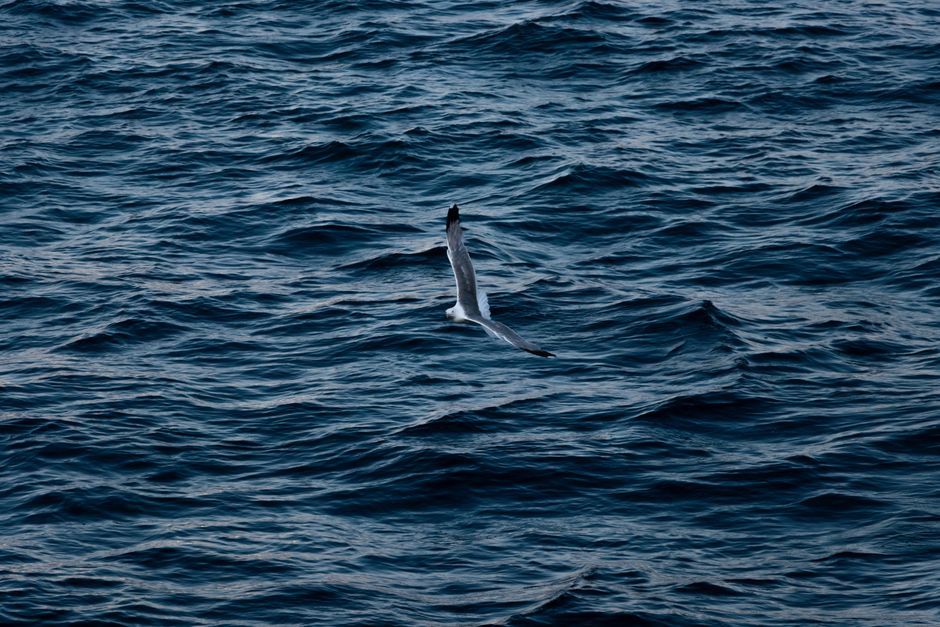
Stock photo for illustration only, not from the actual event
Understanding the impact of travel on the internal systems of wildlife provides a broader perspective on environmental impacts and energy expenditure in nature. Researchers are currently investigating how these birds recover from such physiological disruptions after reaching their home territories.
Source: Ars Technica
Found something wrong in this article? Report an issue with this article
Comments
Leave a Comment