

Rare Short-Necked Oil Beetle Found in Wales Again
Short-Necked Oil Beetle larvae discovered at Castlemartin in Wales after a 60-year absence, highlighting successful conservation efforts.

Stock photo for illustration only, not from the actual event
- Short-Necked Oil Beetle found in Wales after being missing for 60 years
- Their lifecycle depends heavily on solitary bees and dense wildflower habitats
- Listed as vulnerable on the IUCN Red List due to past habitat loss
A rare species of beetle has been rediscovered in Pembrokeshire, marking its triumphant return to Wales after an absence of nearly 60 years. Conservationists have spent three years searching the area before finally unearthing larvae of this remarkable insect.
The Short-Necked Oil Beetle relies heavily on solitary bees for its lifecycle and requires a very specific habitat to survive, featuring thick vegetation for shelter and dense flower coverage. Following 1948, the species was unrecorded in the UK for nearly six decades as rampant habitat loss pushed them to the brink of extinction.
Last year, surveys at Castlemartin uncovered only dead adults, sparking severe concerns about the beetle's future in the region. However, after persistent searching this year, experts discovered larvae in a small pocket of the site, indicating successful reproduction among hatchlings from a larger brood.
"very exciting"
Anne Hobbs, Bumblebee Conservation Trust
Anne Hobbs from the Bumblebee Conservation Trust stated that the evidence strongly suggests the species is breeding in Wales once again. Classified as nationally rare across Great Britain and listed as vulnerable on the IUCN Red List, adults can grow up to 24mm in length with a lifespan of roughly one year, appearing active between March and June in coastal grasslands.
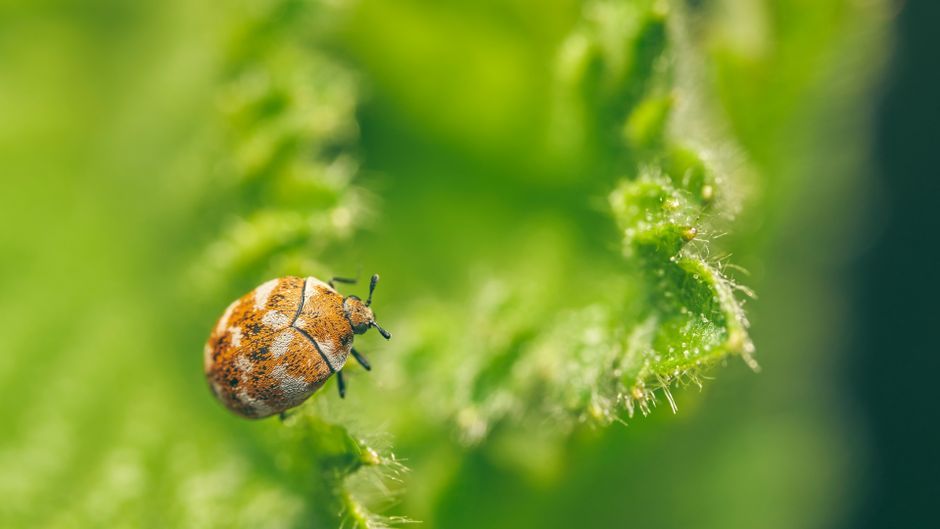
Stock photo for illustration only, not from the actual event
The return of the Short-Necked Oil Beetle serves as an important ecological indicator of improving coastal grassland management in the UK. Because oil beetles require precise conditions including specific bee hosts and undisturbed wildflowers, their successful breeding demonstrates the tangible impact of long-term conservation and habitat restoration initiatives.
Source: BBC Science & Environment
Found something wrong in this article? Report an issue with this article
Comments
Leave a Comment