

Broughshane Waterfowl Park Oil Spill Kills 13 Birds
Vandalism of a home heating oil tank in County Antrim causes a spill, killing 13 birds at Broughshane Waterfowl Park and forcing its closure.

Stock photo for illustration only, not from the actual event
- Vandalism of a home heating oil tank caused a severe kerosene spill into a local pond.
- Thirteen birds have died, with over 20 others transferred to the USPCA for urgent care.
- Broughshane Waterfowl Park in County Antrim remains closed during cleanup efforts.
- Environmental agencies deployed absorbent booms and administered activated charcoal to treat toxins.
Recovery efforts are underway in County Antrim, Northern Ireland, following an environmental disaster caused by the vandalism of a domestic heating oil tank. The incident resulted in a severe kerosene spill into Broughshane Waterfowl Park, a popular local attraction that has now been forced to close its doors while cleanup operations continue.
The incident came to light on Thursday, October 22, when a park volunteer walked through the grounds and detected a strong kerosene odor, discovering black swans heavily contaminated with oil. The site is normally home to 120 collection birds alongside native wildlife.
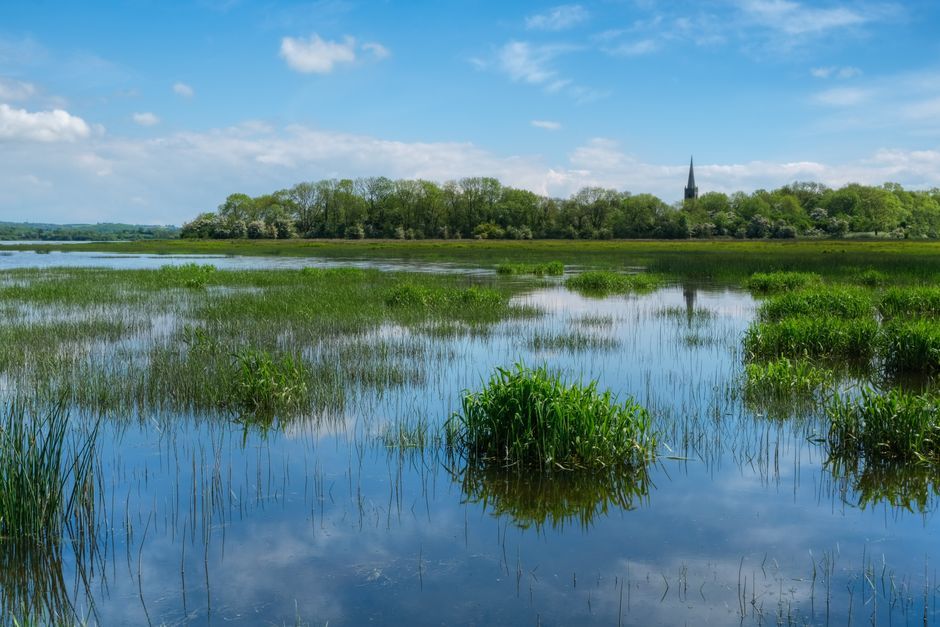
Stock photo for illustration only, not from the actual event
Despite the rapid response of authorities, the death toll has climbed to 13 birds. More than 20 surviving animals were transported last week to the USPCA headquarters in Newry for specialized veterinary treatment, placing considerable emotional and mental pressure on the rescue staff.
Gary Hayward, representing the waterfowl park, expressed deep distress over the situation and emphasized the need for public awareness regarding the severe consequences of damaging fuel containers.
"We are devastated. One of our volunteers appeared on the Thursday morning to feed the birds, and walked down through the park and smelt this kerosene smell and saw the black swans completely oiled."
Gary Hayward
The Northern Ireland Environment Agency (NIEA) deployed oil absorbent booms and countermeasures immediately after being alerted. While waterway conditions have improved significantly, remediation work will persist as long as necessary. Siobhan Hawthorn, wildlife supervisor at the USPCA, explained that the rescue team has been administering doses of activated charcoal to combat ingested toxins, though some birds unfortunately ingested too much before they could be rescued.
Domestic heating oil spills pose severe ecological threats to aquatic habitats and bird populations. Kerosene coats feathers, destroying their natural waterproofing and buoyancy, which frequently leads to fatal hypothermia. Furthermore, preening behavior causes birds to ingest toxic hydrocarbons, leading to internal organ failure. Professional intervention involving specialized solvent baths and medical stabilization is critical to mitigating mortality in such wildlife emergencies.
Source: BBC Science & Environment
Found something wrong in this article? Report an issue with this article
Comments
Leave a Comment