

Bamboo Pagoda 2026: Macau Waterfront Pavilion
Impromptu Projects constructs Bamboo Pagoda, a 13-meter temporary pavilion at Sai Van Lake in Macau, featuring bamboo scaffolding and tea-waste panels.

Stock photo for illustration only, not from the actual event
- Bamboo Pagoda is a 13-meter-tall temporary pavilion on Macau's Sai Van Lake shoreline.
- Designed by local studio Impromptu Projects, led by Rita Machado and João Ó.
- The structure references traditional bamboo scaffolding, a recognized intangible cultural heritage.
- Flooring utilizes composite panels made from recycled tea waste and wood chips by Zence Object Technology.
Macau-based practice Impromptu Projects, led by architects Rita Machado and João Ó, has unveiled Bamboo Pagoda, a 13-meter-tall temporary pavilion positioned along the shoreline of Sai Van Lake. The installation reinterprets vernacular construction techniques into a contemporary waterfront structure intended for contemplation and public engagement.
The pavilion draws direct inspiration from classical pagoda geometries and Taoist concepts of equilibrium, featuring an octagonal footprint that tapers upward. Slender structural bamboo culms form the exposed load-bearing skeleton, secured using traditional scaffolding lashing techniques. This building method highlights Macau's vernacular craft, which was officially inscribed on the city's Inventory of Intangible Cultural Heritage in 2017.
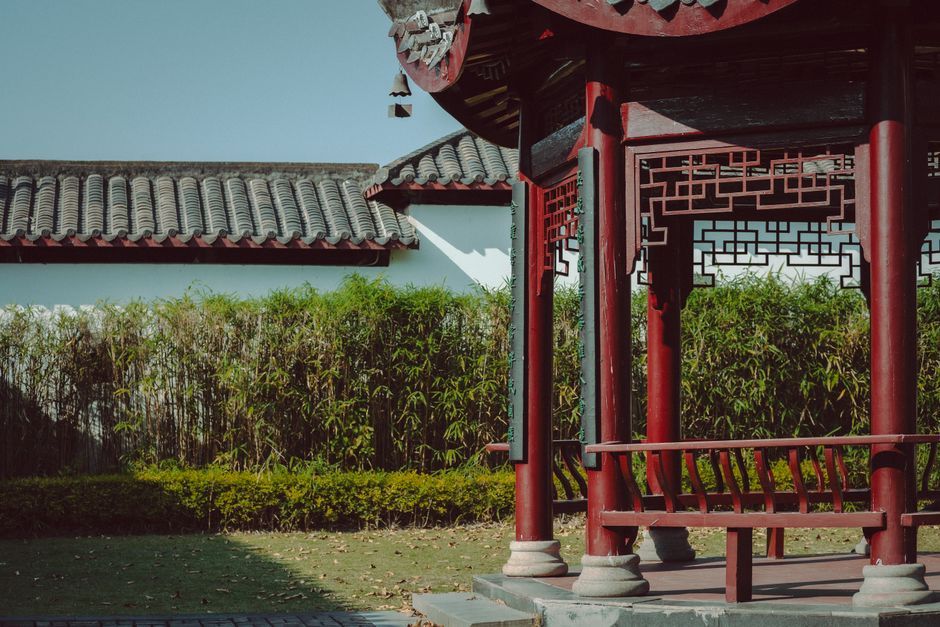
Stock photo for illustration only, not from the actual event
The framework is wrapped in a semi-translucent skin made of bamboo fabric, which filters natural light and accentuates the vertical profile of the pavilion. Grounding the architectural design, the floor is paved with composite panels manufactured by local firm Zence Object Technology (CHAZENCE), created from recycled tea waste and discarded wood chips.
The project operates independently from the municipal grid by utilizing integrated solar panels to power its architectural spotlights. Commissioned by the Ephemera Public Space Cooperative, the pavilion successfully merges intangible cultural heritage with circular material systems.
The integration of traditional bamboo scaffolding into temporary architecture serves as a compelling case study for preserving vernacular craftsmanship within modern urban contexts. From a sustainability perspective, utilizing industrial byproducts like tea waste alongside natural bamboo demonstrates how traditional techniques can effectively adapt to contemporary circular economy frameworks.
Source: designboom
Found something wrong in this article? Report an issue with this article
Comments
Leave a Comment