

New A&E PEWS warning system launched to flag sick children
NHS England introduces the PEWS early warning system in hospital emergency departments to quickly identify deteriorating sick children ahead of winter.

Stock photo for illustration only, not from the actual event
- NHS England rolls out the National Paediatric Early Warning System (PEWS) in A&E departments
- Healthcare staff check and log vital signs such as blood pressure, heart rate, and oxygen levels
- Concerns from staff, parents, or the child can immediately trigger an escalation of care
- The initiative is developed in collaboration with NHS England and royal medical colleges
A novel early warning system is being introduced across hospital emergency departments in England to assist busy National Health Service staff in identifying acutely ill children whose medical conditions are dangerously deteriorating. This rollout follows a public commitment by Health Secretary Yvette Cooper to eliminate the practice of treating sick children in hospital corridors due to prolonged waiting times for inpatient beds.
Under the new National Paediatric Early Warning System (PEWS), medical staff are required to systematically check, log, and grade vital signs, which include blood pressure, heart rate, and oxygen saturation levels. A higher overall score indicates that a young patient requires more urgent medical attention. Furthermore, explicit concerns raised by hospital staff, parents, primary carers, or the children themselves will immediately trigger an escalation of clinical care.
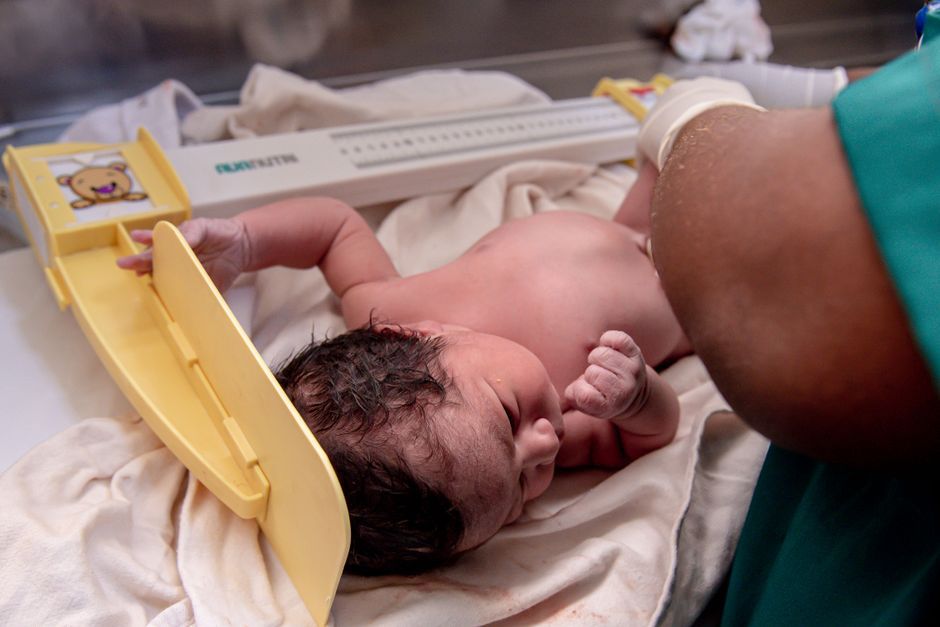
Stock photo for illustration only, not from the actual event
The initiative has been engineered to preserve young lives ahead of the winter season, a period when operational pressure on the NHS traditionally reaches its peak. During an appearance on the BBC's Sunday with Laura Kuenssberg, Health Secretary Cooper recently referenced the tragic case of two-year-old Finlay Roberts, who passed away in 2024 after spending hours waiting in a hospital corridor before ultimately being discharged. Whittington Health NHS Trust, where young Finlay waited for care, extended its deepest condolences to the family while acknowledging that it continues to experience exceptional emergency demand periods where patients occasionally receive care in temporary clinical spaces, including corridors.
Analogous early warning systems designed to identify acutely ill adults, including those suffering from sepsis, have already been successfully deployed across emergency and general NHS hospital wards. Extending this standardized scoring framework to pediatric care represents a crucial methodological step in mitigating evaluation delays within fast-paced clinical environments where early detection is paramount.
More than 90 hospitals across England have already utilized similar alert systems within their children's wards, employing age-appropriate assessments tailored from infancy through to adolescence. Additionally, the NHS has confirmed plans to expand Martha's Rule to every hospital emergency department throughout England. This specific rule grants patients, families, and carers the statutory right to request an urgent clinical review if they suspect a patient's condition is worsening and their initial worries are being dismissed. The initiative honors Martha Mills, who tragically died at the age of 13 in 2021 after contracting sepsis in a hospital following a bicycle accident.
Duncan Burton, chief nursing officer for England, stated that the newly implemented children's early warning system in emergency departments constitutes an essential next step in enhancing healthcare standards for young people across England for the upcoming winter and beyond. He further emphasized that within fast-paced emergency departments, clinical staff must rapidly recognize when a child's health status is declining. This standardized methodology aims to assist them in spotting warning signs, communicating worries effectively, and executing timely decisions when every single moment matters.
"In fast-paced emergency departments, staff need to spot quickly when a child's condition is deteriorating."
Duncan Burton
The PEWS pediatric early warning framework was developed through a comprehensive collaborative effort involving NHS England, the Royal College of Paediatrics and Child Health, and the Royal College of Nursing.
Source: BBC Health
Found something wrong in this article? Report an issue with this article
Comments
Leave a Comment