

Willie Walsh Wants IndiGo to Go Long-Haul Without Losing Its Low-Cost Core
CEO Willie Walsh states IndiGo will expand long-haul routes while keeping its low-cost model, reviewing fuel hedging after a INR 19 billion loss.

Stock photo for illustration only, not from the actual event
- IndiGo will expand long-haul flying without altering its narrowbody short-haul network.
- Fuel hedging is under board review for the first time in the airline's history.
- The carrier lost about INR 19 billion in the September quarter amid soaring fuel costs.
- The delivery of the first A350-900 has slipped to the second quarter of 2028.
Airlines often stumble when trying to build short-haul feeders for long-ៀងอ ambitions, but IndiGo aims to buck the trend. Speaking at his first media briefing in Delhi, CEO Willie Walsh made it clear that the carrier's international expansion must not compromise the low-cost model that built India's largest airline.
Walsh cautioned against reshaping the network around a traditional hub, calling it a historic mistake made by many in the industry. Instead, he believes IndiGo's massive scale can generate connections without relying on a conventional hub, though that strategy will face its true test once A350s arrive.
This balancing act has forced the airline to reevaluate long-standing policies, particularly fuel hedging. IndiGo has historically avoided hedging, but Walsh brought the issue to the board as fuel costs surged 67% against a 26% revenue growth. The financial pressure led to a loss of about INR 19 billion ($197 million) in the September quarter, with fares and surcharges recovering only about 60% of the cost increase.
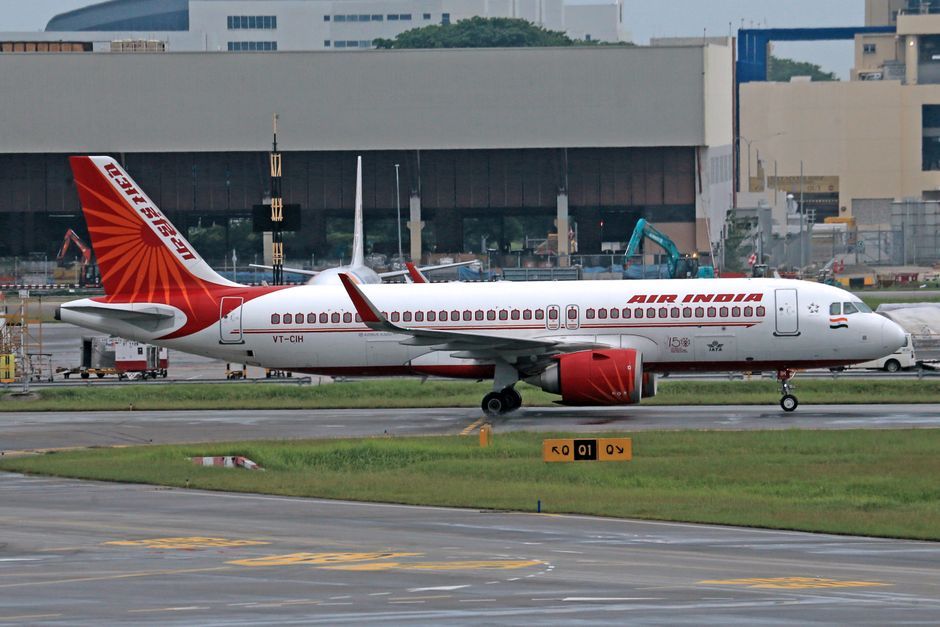
Stock photo for illustration only, not from the actual event
"Hedging is about managing risk, it’s not about taking a bet on what price fuel will be. We're not planning to hedge until we’ve completed that comprehensive review."
Willie Walsh
Walsh emphasized that hedging serves as risk management rather than price speculation, noting that the airline will hold off on any hedging decisions until a comprehensive review is complete. Meanwhile, the delivery schedule for the first of 60 Airbus A350-900s has slipped from 2027 to the second quarter of 2028.
Transitioning a low-cost carrier into long-haul markets is one of aviation's toughest strategic maneuvers. Traditional low-cost operations rely on high aircraft utilization and point-to-point simplicity, whereas long-haul routes demand premium cabins, complex catering, and heavy crew scheduling. IndiGo's interim reliance on narrowbody A321XLRs represents a pragmatic bridge to maintain European slots without prematurely absorbing widebody operating expenses.
While waiting for widebodies, IndiGo is depending on the A321XLR—with four operating and seven slated for next year—to serve Athens and Amsterdam while safeguarding valuable airport slots. The airline also ended its Norse Atlantic 787 lease and paused Heathrow flights until its own A350s are delivered.
Short-term commercial priorities also focus on premium seating, ancillary revenue, and the BluChip loyalty program nearing 20 million members. Walsh further committed to a dual-airport strategy in Mumbai and Navi Mumbai, with international flights launching in February 2027, alongside calls for lower airport charges and taxes.
Source: Skift
Found something wrong in this article? Report an issue with this article
Comments
Leave a Comment