

To dive or not to dive? Football's big dilemma
Analyzing Premier League VAR consistency after Jurrien Timber's shirt pull on Alexander Isak went unpunished compared to past penalty decisions.

Stock photo for illustration only, not from the actual event
- Jurrien Timber's shirt pull on Alexander Isak did not result in a penalty because the striker stayed on his feet
- Liverpool manager Andoni Iraola vented his frustration following the 1-0 defeat at Anfield
- A contrasting incident involving Calvin Bassey and Harry Wilson saw Fulham awarded a spot-kick
- Match officials maintain a very high threshold for VAR intervention in the Premier League this season
The football world is once again grappling with deep questions regarding consistency in refereeing following a controversial incident during the Premier League clash between Arsenal and Liverpool at Anfield. In a match where the Gunners secured a hard-fought 1-0 victory, Bradley Barcola delivered a cross into the penalty area, prompting Liverpool striker Alexander Isak to surge forward in search of an equalizing header.
Even though the Sweden international failed to make contact and the ball drifted harmlessly out of play, Isak simply turned around and headed back up the pitch to prepare for the ensuing goal-kick. Replays, however, revealed that Arsenal defender Jurrien Timber had grabbed and pulled a handful of Isak's shirt, an action that arguably prevented the forward from competing properly for the cross.
On-field referee Andy Madley missed the incident entirely, while video assistant referee Stuart Attwell concluded there was not enough contact to warrant sending the referee to the pitchside monitor. Following the final whistle, Liverpool manager Andoni Iraola voiced clear frustration over the missed penalty claim, pointing out the obvious shirt pull.
This situation bears striking similarities to a fixture between Sunderland and Fulham in February. During that match, Harry Wilson swung a free-kick into the box where goalkeeper Robin Roefs punched it clear, but Calvin Bassey went to ground and immediately appealed to referee Craig Pawson with arms outstretched after being tugged by Brian Brobbey. On that occasion, VAR Tony Harrington spotted the infringement and advised the referee to award a penalty.
The fundamental divergence between the two instances lies in player reaction: Bassey went to ground and demanded a decision, whereas Isak stayed upright and walked away. This disparity fuels the ongoing debate over whether modern footballers are practically forced to go down or embellish contact simply to get officials to review potential fouls.
"There is a clear grab of the shirt."
Andoni Iraola, Liverpool manager
From a tactical and officiating standpoint, the Premier League has maintained a notably high threshold for VAR intervention this campaign in order to preserve the natural flow and tempo of matches. This means minor holding offenses without overt player appeals are frequently dismissed. Furthermore, refereeing circles have expressed frustration over the inconsistent use of slow-motion replays, which can make fleeting, minimal contact at full speed look far more severe under microscopic analysis.
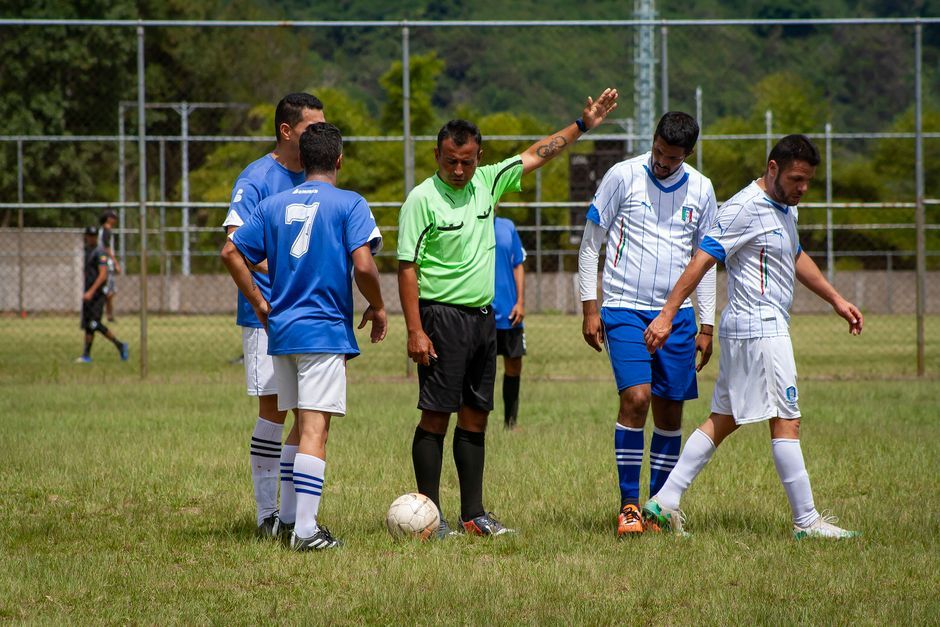
Stock photo for illustration only, not from the actual event
While historical data shows that Premier League VAR interventions remain the lowest in Europe—with precisely 14 subjective reviews recorded after nine rounds, identical to last season—the Key Match Incidents Panel notes only a single missed intervention all year. Video officials maintain they are striking the right balance, though managers like Iraola will undoubtedly struggle to share that sentiment.
Source: BBC Sport
Found something wrong in this article? Report an issue with this article
Comments
Leave a Comment