

UK and EU agree draft deal to scrap Brexit food checks
The UK and EU have circulated a 200-page draft SPS agreement to remove post-Brexit food export checks, aiming for £5.1bn in annual economic benefits.

Stock photo for illustration only, not from the actual event
- The UK and EU have agreed on a 200-page draft SPS trade text.
- The deal removes food export certificates, phytosanitary checks, and fees.
- The government estimates £5.1 billion in annual economic benefits.
- Britain commits to a dynamic alignment process with EU regulations.
The United Kingdom and the European Union have agreed on a draft deal aimed at removing post-Brexit checks on food and agricultural exports ahead of a leadership summit later this month. According to BBC reports, the 200-page draft text concerning the sanitary and phytosanitary (SPS) agreement has been circulated to EU nations in Brussels for review.
This food agreement represents the most significant component of the Brexit reset achieved to date, lifting checks and bureaucratic red tape that burdened exporters after the UK left the single market. The pact is set to eliminate £200 Export Health Certificates, £25 Phytosanitary certificates, inspector fees, organic certifications, port fees, and sampling charges for cross-border trade.
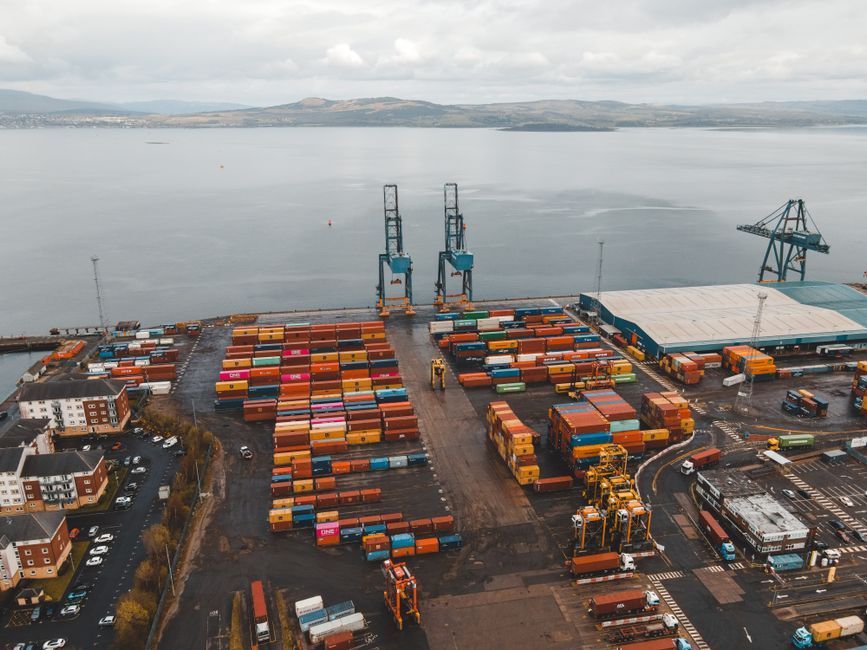
Stock photo for illustration only, not from the actual event
Government figures indicate that the UK economy will eventually secure £5.1bn in annual benefits from the arrangement. Consequently, exports of fresh sausages, burgers, domestic shellfish, and seed potatoes to the EU will be able to resume, alongside new passport provisions for UK pets traveling into European territory.
Under the terms of the agreement, the UK will commit to observing and adapting to existing EU regulations on plant, animal, and food trade standards—a process formally known as dynamic alignment. The government has introduced the European Partnerships Bill to provide the necessary legal mechanism for applying these new rules.
The proposed SPS agreement marks a major pivot in UK-EU relations, addressing the severe friction and compliance costs introduced by Brexit. By accepting dynamic alignment, the government seeks to ease trade for farmers and supermarkets, though it has drawn criticism from hardline pro-Brexit factions who prioritize regulatory independence over frictionless commerce.
Additional draft texts covering emissions trading and a youth mobility scheme have also been circulated alongside a 15-page joint statement. EU ambassadors at Coreper are scheduled to discuss the drafts on Wednesday. Meanwhile, the British Chambers of Commerce released survey data showing that 56 percent of exporting firms and 58 percent of manufacturers want customs paperwork and delays eliminated.
"The evidence from businesses suggests that the prime minister is right to have initiated a conversation on our future relationship with Europe, and he deserves real credit for having done so."
Shevaun Havilland, Director General of the BCC
Source: BBC Politics
Found something wrong in this article? Report an issue with this article
Comments
Leave a Comment