

Phonphir Awaits Probe on Chiang Mai Solar Pricing
Deputy Interior Minister Phonphir Suwanachawi stated on Nov 3, 2026, in Udon Thani that he awaits investigation results regarding the 110,000 Baht solar pricing in Chiang Mai.

Stock photo for illustration only, not from the actual event
- Deputy Interior Minister Phonphir awaits probe into Chiang Mai solar project pricing
- Installation price of 110,000 Baht fell below the standard midpoint of 140,000 Baht
- Disputed documents were confirmed as unapproved internal paperwork and recalled
- Minister insists he has no policy to favor private entities over public welfare
Deputy Interior Minister Phonphir Suwanachawi expressed perplexity regarding opposition claims that a public solar installation project in Chiang Mai featured a pricing scheme set at 110,000 Baht. The remarks were made at 09:00 on November 3, 2026, at the Monthathip Hall convention center in Udon Thani province.
Mr. Phonphir stated that both he and the Prime Minister previously evaluated and established 140,000 Baht as the official standard midpoint for the project. He noted that if operators choose to offer prices at 110,000 or 120,000 Baht, the choice ultimately rests between vendors and citizens, while services exceeding 140,000 Baht remain subject to consumer choice.
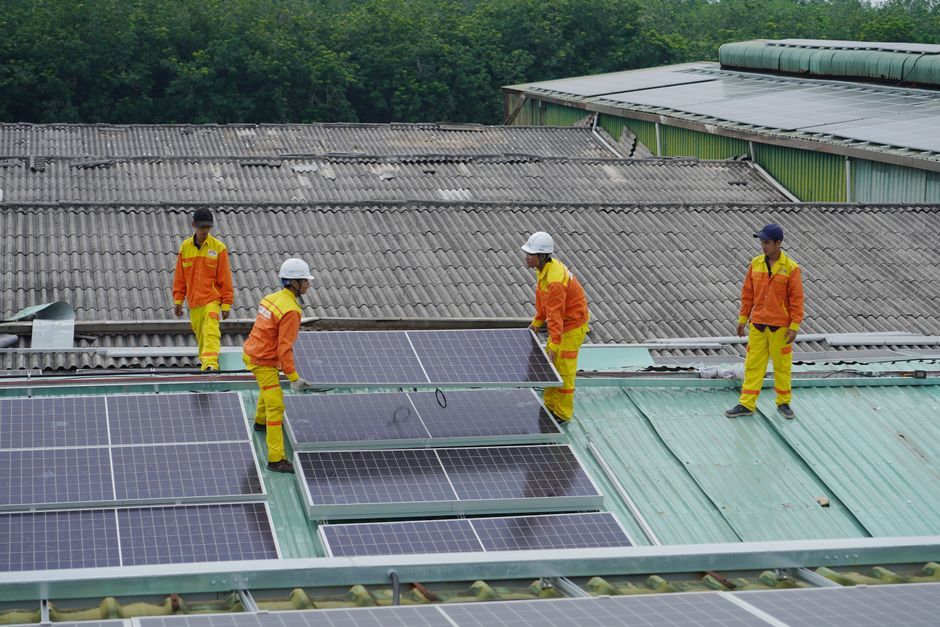
Stock photo for illustration only, not from the actual event
Addressing the documentation in question, the Deputy Minister clarified that the papers were merely internal documents originating from the Chiang Mai branch office without official endorsement from headquarters. The documents have since been officially retracted while authorities investigate whether any irregularities occurred.
"To be frank, I do not understand why Chiang Mai wrote an installation price of 110,000 Baht... I don't know how to write a project that favors private entities, I only know how to help the people."
Phonphir Suwanachawi, Deputy Interior Minister
Contextual Analysis: Government-backed residential solar initiatives are vital for reducing household energy burdens, requiring strict price transparency to prevent unfair market competition or allegations of favoritism. The leakage of unapproved internal documents highlights the necessity for rigorous administrative oversight to maintain public trust in government energy policies.
Source: Khaosod Politics
Found something wrong in this article? Report an issue with this article
Comments
Leave a Comment