

Physical Computing for Kids: Code Steps Beyond Screen
Discover physical computing, an educational approach connecting coding with real hardware and everyday environments to help children learn tech.

Stock photo for illustration only, not from the actual event
- Physical computing connects software directly with physical objects and environments.
- Systems rely on sensors, microcontrollers, and output devices working together.
- Immediate physical responses make abstract computing concepts easier to grasp.
- Distinct from robotics, it focuses on interactive systems without complex machines.
A student places a small electronic device beside a window. As sunlight enters the room, the device detects the changing brightness, and when surroundings grow darker, a tiny light automatically switches on.
No keyboard commands dictate this exact moment. Instead, the device responds directly to information gathered from its surrounding environment.
This simple interaction introduces physical computing for kids, an educational method connecting computer programming with real objects, electronic components, and everyday spaces.
Rather than staying confined inside a computer screen, physical computing lets children explore how software responds to the surrounding world, proving that code can influence physical objects just as easily as building websites or digital applications.
A typical physical computing system involves three basic elements: sensors that detect information, microcontrollers that process data according to programmed rules, and output components that react accordingly.
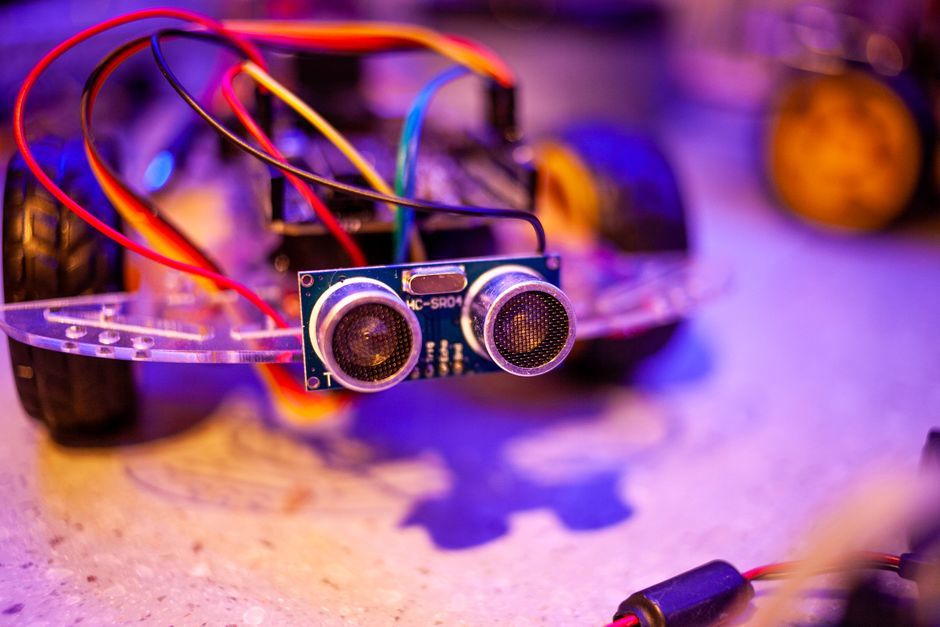
Stock photo for illustration only, not from the actual event
The BBC micro Educational Foundation describes physical computing as an approach linking programming with real-world inputs and outputs, helping learners understand how software and hardware function together. This immediate connection between action and physical response simplifies abstract concepts.
Introducing physical computing early on establishes a solid STEM foundation. Children learn beyond simple coding by developing systems thinking, understanding both software logic and hardware limitations—crucial skills in an era dominated by IoT and smart devices.
Various sensors measure specific environmental changes. Temperature sensors evaluate thermal conditions, while motion sensors like accelerometers detect tilting or positioning changes.
Microcontrollers act as small computers controlling specific functions within electronic systems. Unlike standard laptops running multiple applications, educational boards like the BBC micro use programmable inputs and outputs to let students explore code and physical behavior safely.
Troubleshooting unexpected sensor behavior encourages students to examine hardware and software simultaneously, applying mathematical and scientific concepts like numerical thresholds and data interpretation.
Parents do not need an electronics workshop to begin. Discussing familiar household technology, such as automatic doors or motion-activated lights, provides an easy starting point for understanding physical computing.
Source: Dev.to
Found something wrong in this article? Report an issue with this article
Comments
Leave a Comment