

Thailand’s Isan: Red Lotus Sea and Heritage Sites
Explore Thailand’s Isan region in November 2026 featuring the Red Lotus Sea in Udon Thani, Phu Phra Bat World Heritage, and Phu Kradueng.

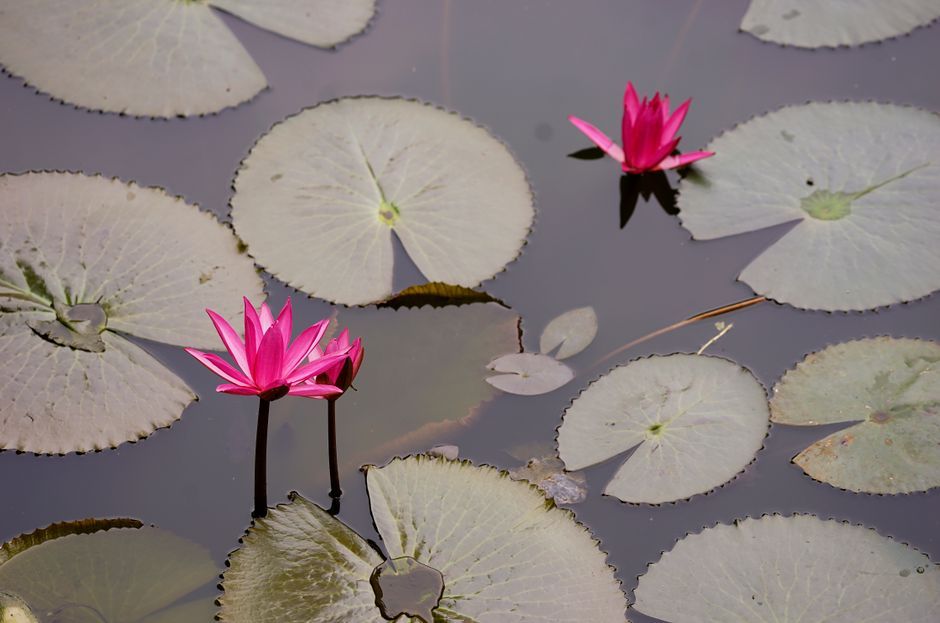
Stock photo for illustration only, not from the actual event
- Nong Han Kumphawapi Red Lotus Sea peak season runs from mid-December to mid-February, blooming from 06:00 to 11:00 a.m.
- Phu Phra Bat Historical Park charges 100 baht for foreign visitors and opens daily from 08:30 to 16:30.
- Phu Kradueng National Park and Phu Luang Wildlife Sanctuary experience winter temperatures of 0-16°C from November to January.
- Notable seasonal flora include centella, wild Dendrobium orchids, and tiny bladderwort wildflowers.
Traveling through Thailand's Isan region in November offers visitors cooler morning weather and diverse natural and historical attractions that can be easily connected into a rewarding itinerary. A primary highlight is Nong Han Kumphawapi, commonly known as the Red Lotus Sea, located approximately 50 kilometres from Udon Thani. These blooms are technically water lilies and are fully open from about 6:00 to 11:00 a.m. before closing as the sun strengthens. While early November may feature patchy color, official peak recommendations point from mid-December to mid-February, making this stop ideal for the latter part of an excursion.
Stock photo for illustration only, not from the actual event
Visitors can pair the lake excursion with a separate day trip to Ban Chiang, the UNESCO World Heritage site preserving Bronze Age burials and pottery. Travelers can then continue to Phu Phra Bat, situated roughly 67 kilometres from Udon Thani with an approximate one-hour drive time. The park opens daily from 08:30 to 16:30, with foreign visitors paying an entrance fee of 100 baht. Inscribed as a UNESCO World Heritage site, Phu Phra Bat features sandstone formations shaped by erosion into pillars, caves, and overhangs within the Phu Phan hills.
The journey can be extended to Nong Khai to visit the Sala Kaeo Ku sculpture park, featuring massive concrete sculptures inspired by Buddhism and Hinduism, followed by a sunset view along the Mekong River. For a longer itinerary involving an overnight stay, Phu Kradueng National Park welcomes visitors following its rainy-season closure from June 1 to September 30, offering cool and breezy weather from November to February.
Exploring Isan during the transition into the dry season reveals a rich ecosystem across plateau parks and wetland habitats. Understanding the specific blooming schedules of native flora, from aquatic water lilies to rare carnivorous bladderworts, allows travelers to align their itineraries effectively with seasonal natural events across the region's sandstone terrain.
Nearby, the Phu Luang Wildlife Sanctuary records winter temperatures dropping to 0–16°C between November and January, serving as a habitat where white wild orchids, rhododendrons, and Dendrobium species bloom. Additionally, tiny carnivorous bladderworts such as Utricularia minutissima, measuring 5 to 12 cm, flower from October to late November across sandy rock woodlands. Travelers should note that Siam tulips are strictly a rainy-season attraction blooming from late June through early August in Chaiyaphum, making November ideal for focusing on orchids and bladderworts instead.
Source: TAT Newsroom
Found something wrong in this article? Report an issue with this article
Comments
Leave a Comment