

Welsh public sector unlikely to meet net zero plans by 2030
Audit Wales warns public bodies are lagging behind on climate goals, with decarbonising Welsh council buildings estimated to cost at least £2.3bn.

Stock photo for illustration only, not from the actual event
- Audit Wales criticises public sector progress on 2030 net zero targets
- Financial pressures and lack of compliance incentives hinder decarbonisation
- Decarbonising council buildings alone is estimated to cost at least £2.3bn
A spending watchdog has released a critical assessment highlighting the sluggish pace of public sector organizations in Wales regarding climate change action. While acknowledging pockets of positive transformation, Audit Wales warns that the collective ambition to achieve a net zero public sector by the year 2030 is currently improbable.
According to the newly published report, public bodies across all sectors fully recognize the urgency of decarbonization. However, researchers noted that financial strains and shifting political priorities since 2022 have pushed climate action down the corporate agenda, leaving public institutions struggling to allocate necessary investment funds.
Furthermore, the watchdog pointed out that the absence of formal penalties or compliance incentives has fostered widespread uncertainty among public bodies regarding how much priority should be assigned to carbon reduction initiatives. Overall progress in calculating short and long-term decarbonization costs remains severely limited, with several institutions dismissing the projected expenses as completely unaffordable.
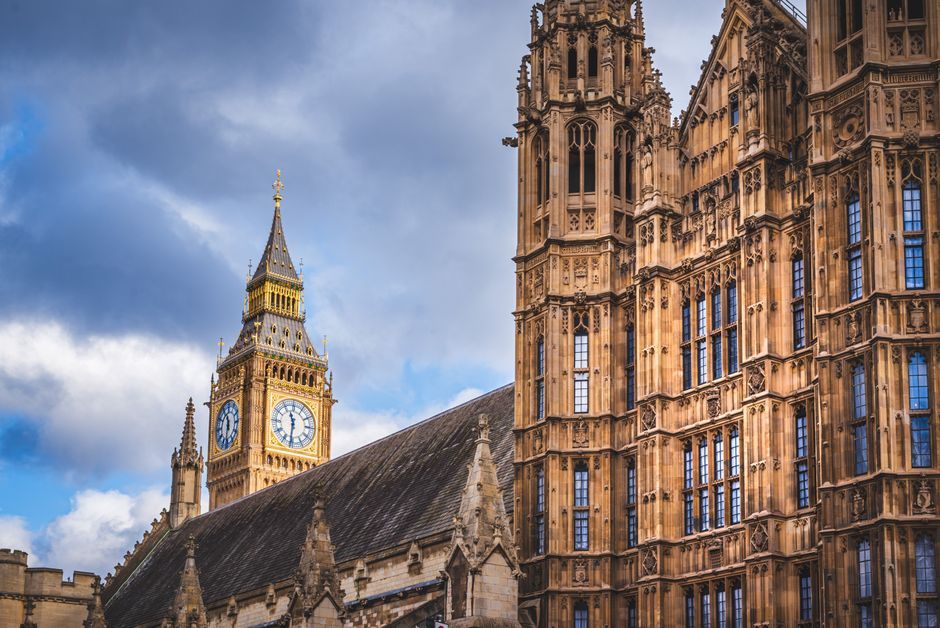
Stock photo for illustration only, not from the actual event
"We can list positive examples, but not enough progress has been made overall, and we owe it to future generations to do better."
Ann-Marie Harkin, Audit Wales
Back in 2017, the Labour-led Welsh government championed the 2030 net zero public sector target, arguing that government bodies were uniquely positioned to influence emissions in key areas like buildings and transport. The core strategy relied on public infrastructure investments—such as electric vehicle charge points, renewable power, and advanced heating systems—to pave the way for broader public adoption.
The friction between ambitious climate targets and operational reality highlights a recurring challenge in public policy implementation. Without dedicated financial mechanisms or mandatory enforcement guidelines, long-term environmental goals frequently get sidelined during economic downturns. This situation underscores why systemic green transitions require not just political vision, but guaranteed funding frameworks and clear accountability measures.
In response to the findings, a Welsh government spokesperson emphasized that maintaining a net zero public sector remains a top priority to lower emissions, reduce energy bills, and boost energy security. Meanwhile, the current Plaid Cymru administration has set an economy-wide target for Wales to reach net zero by 2040, outpacing the standard UK-wide legal deadline by a full decade.
Source: BBC Science & Environment
Found something wrong in this article? Report an issue with this article
Comments
Leave a Comment