

Rivian spinout Also dropped Kenya e-moto project to focus on core goals
Also, the micromobility startup spun out of Rivian in 2025, quietly abandoned an electric two-wheeler pilot project in Kenya to prioritize e-bikes and autonomous vehicles.

Stock photo for illustration only, not from the actual event
- Rivian spinout Also walked away from an electric motorcycle pilot in Kenya.
- The company redirected focus toward its TM-B e-bike and autonomous vehicle ambitions.
- Also competed for raw materials used in printed circuit boards for AI data centers.
- Leadership acknowledged communication failures regarding delayed product deliveries.
Also, a micromobility startup that emerged from Rivian in 2025, quietly initiated and subsequently abandoned an electric two-wheeler pilot project in Kenya earlier this year, shifting its limited resources toward consumer e-bikes and autonomous vehicle development instead.
According to a deleted section of the report, the venture was intended to focus on modular battery designs, distributed EV charging infrastructure, and building a purpose-built electric motorcycle tailored for African riders. The electric motorcycle market in Africa has shown massive potential, with local mobility firm Spiro recently reporting over 130,000 electric motorcycles operating across seven countries alongside 2,500 battery-swapping stations, attracting heavy investment from Chinese firms.
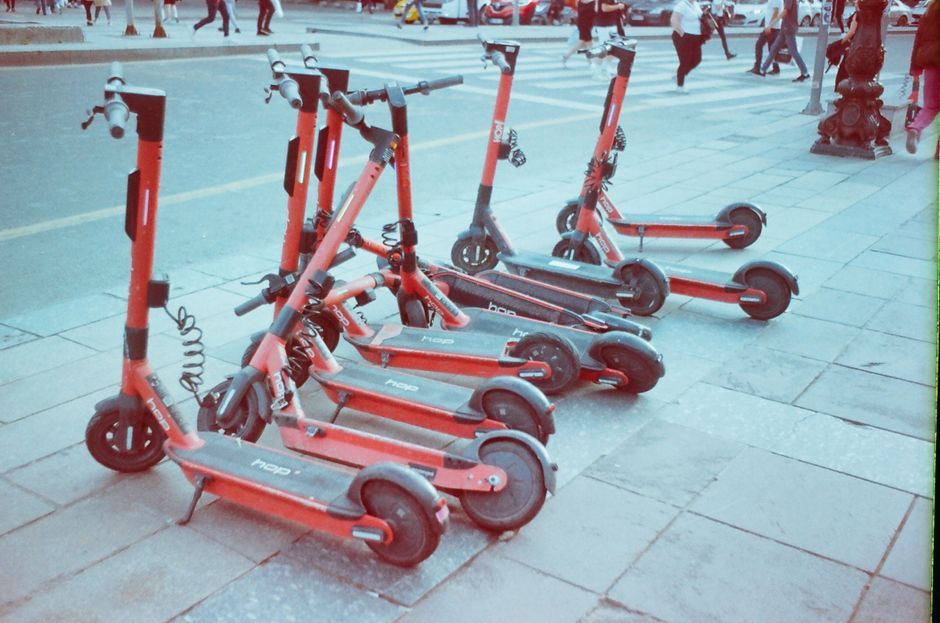
Stock photo for illustration only, not from the actual event
However, executive Yu noted that other initiatives took priority, particularly the creation of small autonomous vehicles developed through a partnership with DoorDash. The exit from the Africa project coincided with a turbulent first year of independent operations for the startup.
Persistent supply chain disruptions forced the company to repeatedly push back delivery dates for its debut product, a premium e-bike called the TM-B, leaving reserved customers frustrated. Compounding the issue was Also's prolonged silence throughout much of 2026 regarding delivery schedules—a communications breakdown that company leaders now openly recognize as a mistake.
Hardware startups competing for the same raw materials required by AI data center components highlights how booming sectors like artificial intelligence can indirectly choke supply chains for smaller mobility ventures attempting to source specialized circuit boards.
Getting its initial product launch back on track remains critical for Also, which harbors long-term ambitions to supply commercial cargo bikes, including four-wheeled models, to corporate giants like Amazon alongside its DoorDash partnership. These upcoming pipeline products represent significantly larger revenue streams for the enterprise.
Even so, the TM-B remains the immediate priority as the company's most consumer-facing product. Along the way, Also found itself competing for the exact raw materials utilized in printed circuit boards for AI data centers, while also grappling with complex regulatory certification requirements from various government bodies, creating a relentless weekly stream of operational hurdles.
Source: TechCrunch
Found something wrong in this article? Report an issue with this article
Comments
Leave a Comment