

Why We’ve Been Looking at the Hotel Brands vs. OTAs War All Wrong
The distribution battle between hotel brands and OTAs overlooks property owners bearing the costs, highlighted by Hilton's $815 million franchise revenue.

Stock photo for illustration only, not from the actual event
- Hotel distribution conflict often ignores the property owners absorbing the costs.
- Hilton reported $815 million in third-quarter franchise and licensing revenue.
- OTA commissions and brand fees directly reduce hotel owners' profit margins.
- Hilton CEO notes AI aims for cheaper direct bookings alongside system fee cuts.
The global lodging industry has long observed the intense distribution battle between major hotel chains and online travel agencies. Global brands like Hilton and Marriott want guests to book directly through their proprietary systems, while platforms like Booking.com and Expedia strive to secure those reservations on their own interfaces. Emerging technologies, most recently artificial intelligence agents, are routinely evaluated based on which side they will assist.
However, this conventional framing frequently omits a key party with a vastly different balance sheet: the hotel owner. Property owners pay the brand for access to its commercial infrastructure and may also compensate an OTA when that platform delivers a guest. Although brands and OTAs negotiate over the customer, the physical property is typically left to absorb the financial toll of both relationships while still attempting to turn a profit.
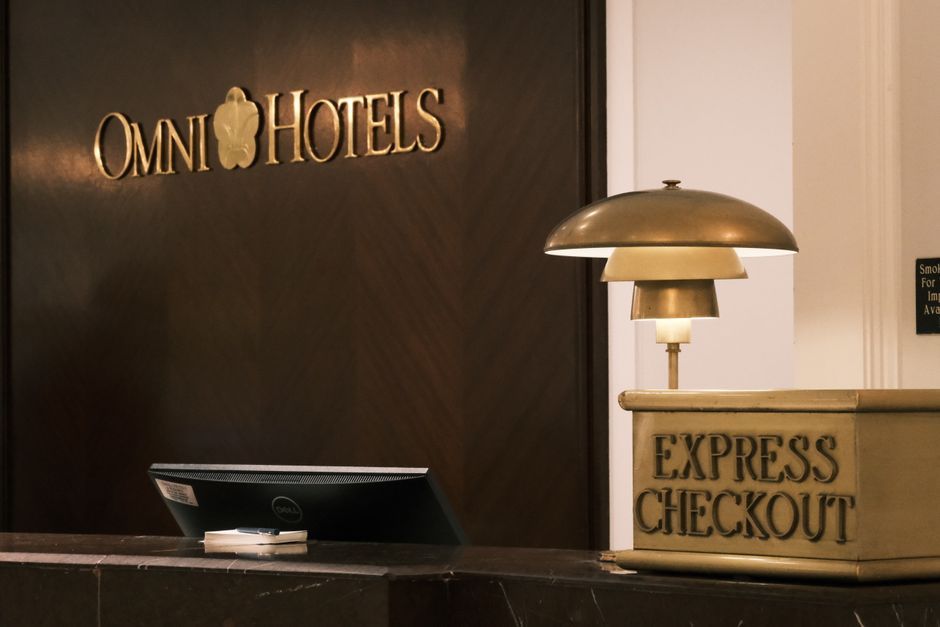
Stock photo for illustration only, not from the actual event
Hilton’s financial results for the third quarter, reported on October 27, clearly illustrate this distinction. The company announced $815 million in franchise and licensing revenue derived from a network comprising 8,683 franchised and licensed properties, 892 managed hotels, and 45 owned or leased hotels. This fee income is directly tied to the revenue flowing through the overarching network rather than what the property owner retains.
Hilton’s annual filings state that franchise royalties are calculated as a percentage of gross room revenue, accompanied by separate program fees covering marketing, reservations, technology, and Hilton Honors. In an illustrative scenario where a $200 room is sold through an OTA at a hypothetical 15 percent commission, the owner incurs a $30 acquisition charge while the royalty base continues to be calculated on the full $200 amount without any reduction.
From an analytical perspective, the integration of artificial intelligence agents could eventually route more consumer bookings directly into proprietary brand networks at a lower overall cost. Nevertheless, the ultimate test for property owners remains whether these emerging booking channels genuinely improve net profit margins after all network fees are settled, as complete operational data for this shift is still developing.
"AI should eventually deliver more direct business at lower cost while OTAs remain important for part of Hilton's business."
Chris Nassetta, Hilton CEO
Tyler Morse, CEO of MCR Hotels—who owns and operates 150 hotels including the unflagged TWA Hotel—has argued for years that owners should distance themselves from online travel agencies, describing hotel ownership fundamentally as a business of acquiring reservations. During Hilton's most recent earnings call, CEO Chris Nassetta stated that artificial intelligence should eventually drive more direct business at a reduced cost while OTAs remain vital for specific market segments. He also pointed to the RISE system-fee reductions launched in June 2025, which trimmed loyalty costs by 30 basis points system-wide and offered an additional 50 basis points reduction for properties meeting strict quality thresholds, noting these cuts apply to system fees rather than baseline royalty rates.
Source: Skift
Found something wrong in this article? Report an issue with this article
Comments
Leave a Comment