

Car Interior Design Shift: Nissan Designer Talks Buttons and Storage
An interview with Nissan designer Hiren Patel explores how car interiors are shifting away from touchscreens toward physical buttons and practical storage.

Stock photo for illustration only, not from the actual event
- Nissan designer Hiren Patel discusses modern car interior trends.
- Physical buttons and tactile controls are making a strong comeback.
- Practical storage and driver-friendly layouts take priority over flashy screens.
Car interior design is undergoing a significant transformation as automakers and drivers alike reevaluate the heavy reliance on touchscreen-only interfaces that dominated the automotive industry over the past decade, sparking ongoing debates about ergonomics and driving safety.
In a recent interview with Ars Technica, Nissan designer Hiren Patel sheds light on how vehicle cabin layouts are evolving, detailing the shift in mindset that prioritizes functionality and everyday usability for modern motorists.
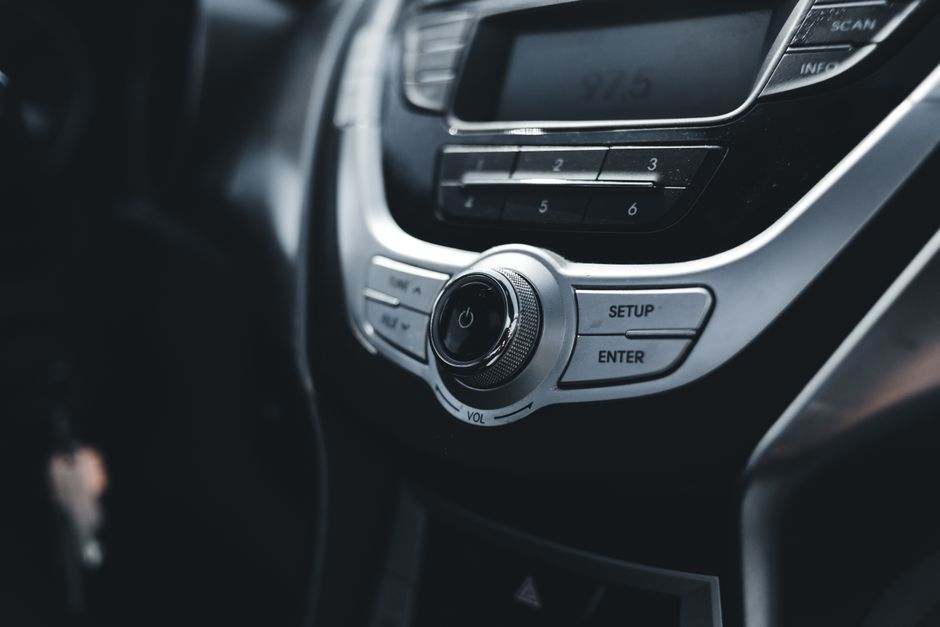
Stock photo for illustration only, not from the actual event
A central focus of the discussion revolves around the return of physical buttons and tactile controls, alongside a renewed emphasis on smart storage solutions while moving away from high-maintenance finishes like fingerprint-attracting piano black plastic.
The resurgence of physical buttons in modern vehicles marks a crucial turning point, signaling that automakers are finally listening to driver frustrations. For years, burying climate controls and audio settings inside deep touchscreen menus forced drivers to take their eyes off the road, creating genuine safety hazards. Bringing back tactile dials and switches restores intuitive, eyes-up control.
These thoughtful design adjustments demonstrate that the future of automotive interiors is driven not just by flashy technology, but by a human-centric approach that ensures safety, convenience, and real-world practicality for every journey.
Source: Ars Technica
Found something wrong in this article? Report an issue with this article
Comments
Leave a Comment