

Thailand’s 2032 Tourism Plan Chases Spending, Not Arrivals
Thailand's Fourth National Tourism Development Plan targets 4 trillion baht in revenue by 2032 while addressing slowing foreign visitor arrivals.

Stock photo for illustration only, not from the actual event
- Thailand targets at least 4 trillion baht ($118 billion) in annual tourism revenue by 2032.
- The revenue goal represents a 48% increase from 2025 earnings, requiring about 5.8% annual growth.
- Foreign arrivals face a second straight year of decline, with the 2026 forecast revised down to 33 million.
- The current draft plan lacks a defined budget, arrivals assumptions, and timelines for new infrastructure.
The Thai government has introduced its draft Fourth National Tourism Development Plan, setting a goal to generate at least 4 trillion baht, equivalent to roughly $118 billion, in annual tourism revenue by 2032. This objective represents an increase of approximately 48% compared to the 2.7 trillion baht earned in 2025, which includes domestic travel figures. The strategy also aims to elevate Thailand into the top 30 positions of the World Economic Forum's Travel & Tourism Development Index.
These aggressive financial goals are being rolled out as foreign arrivals to Thailand head toward a second consecutive year of decline. Foreign visitor numbers dropped 7.2% to 32.9 million in 2025 and continued falling by 4.1% through October 17. Consequently, the government has revised its 2026 forecast downward to 33 million visitors, down from an earlier projection of 36.7 million.
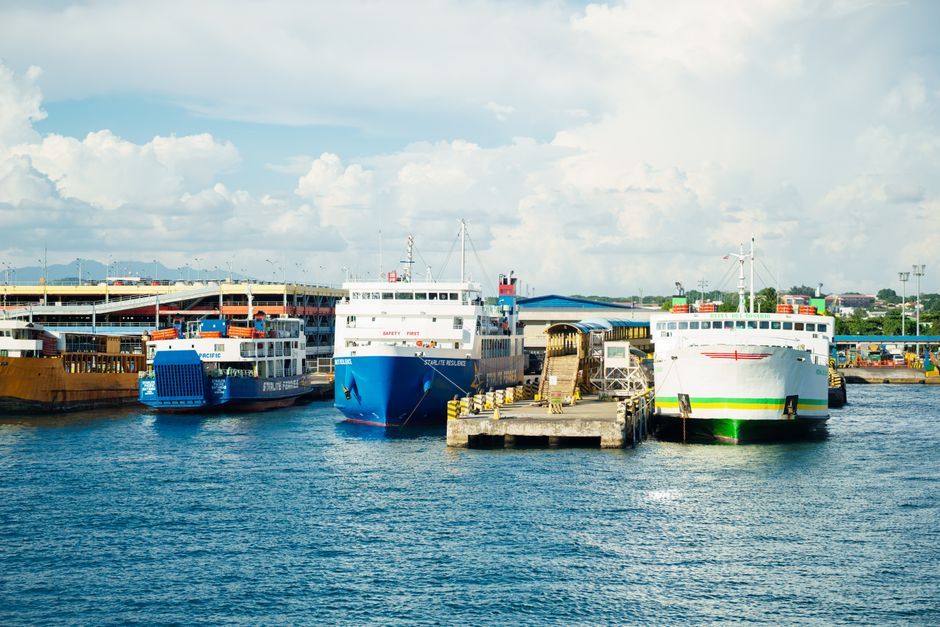
Stock photo for illustration only, not from the actual event
With visitor volume stalled, the national plan shifts its core emphasis toward per-visitor spending, economic value, and service standards. Key pillars include expanding cruise and yacht tourism, capturing higher-spending source markets, promoting events, and dispersing visitor income beyond Bangkok and primary beach destinations to secondary regions and local communities.
Cruise and yacht tourism represent high-revenue sectors where the country currently faces capacity limitations. Officials noted that Thailand still requires additional cruise terminals and yacht marinas to satisfy market demand, prompting a request for the Tourism Authority of Thailand (TAT) to collaborate with other agencies on an infrastructure framework.
Shifting the tourism focus from volume to yield comes amid notable pricing pressures within the Thai hospitality sector. Luxury and upscale occupancy rates in Phuket recently slipped from 84.1% down to 80%, while average daily rates decreased by 4%. Furthermore, with Chinese arrivals dropping from 11 million in 2019 to 4.4 million in 2025, Thailand has pivoted its priority short-haul markets toward Taiwan, Vietnam, Malaysia, Indonesia, and Singapore while omitting mainland China from the immediate priority list.
The government strategy also incorporates policy adjustments such as a proposed 450-baht ($13) tourist fee slated for the first quarter of 2027, faster e-visa processing times, and shorter immigration queues at Suvarnabhumi Airport. While analysts point out that targeting revenue is simpler than managing arrival volume during inflationary periods, the current plan provides no designated budget, no specific arrival assumptions, and no definitive funding or timeline for the required marinas and cruise terminals.
Source: Skift
Found something wrong in this article? Report an issue with this article
Comments
Leave a Comment