

Delhi air quality worsens ahead of Diwali as rules set
Delhi faces worsening air pollution ahead of Diwali as authorities implement emergency measures and court allows certified green firecrackers.

Stock photo for illustration only, not from the actual event
- Delhi's air quality deteriorates ahead of Diwali due to winter conditions and calm winds.
- Authorities activate Stage II of GRAP to curb dust, vehicle emissions, and pollution sources.
- The Supreme Court permits the manufacture, sale, and use of certified green firecrackers.
- Strict time windows are set for firework use, alongside bans near hospitals and schools.
New Delhi is once again battling severe air pollution as the arrival of winter brings a familiar deterioration in air quality to the capital of India.
Breathing such polluted air over prolonged periods can trigger respiratory issues and worsen pre-existing health conditions, posing severe risks particularly to children and elderly residents.
In response, local authorities have invoked Stage II of the Graded Response Action Plan (GRAP), rolling out measures designed to control dust, vehicle emissions, and other pollution drivers.
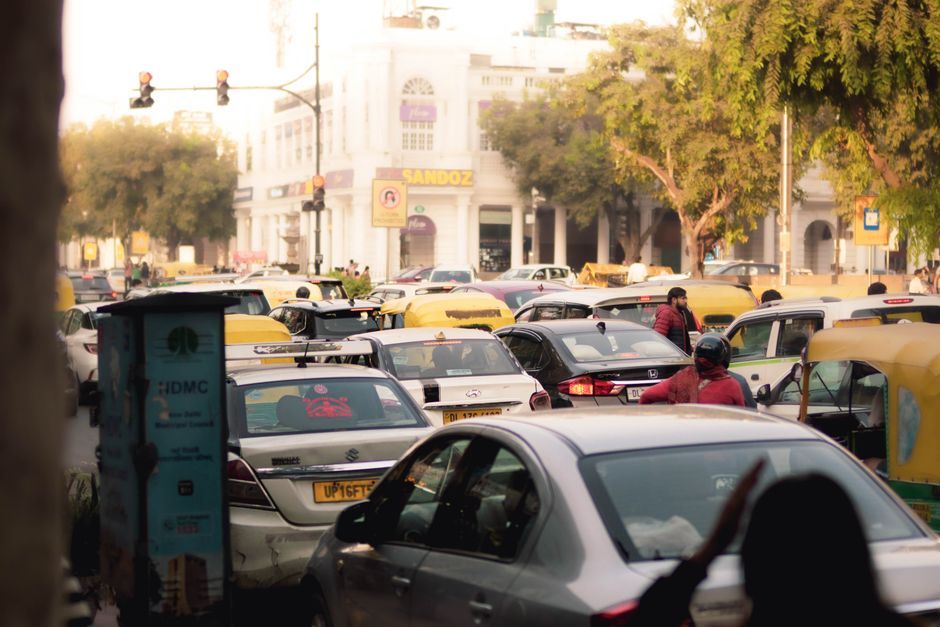
Stock photo for illustration only, not from the actual event
The GRAP framework introduces progressively stricter emergency steps as pollution levels rise, including intensive road cleaning, higher parking fees to discourage private vehicle usage, and expanded public transport options. The Delhi Metro has added 20 extra weekday train trips, while government office schedules have been staggered to alleviate traffic congestion.
Delhi's recurring winter pollution crisis is driven by a complex mix of geographical and seasonal factors, including low wind speeds, falling temperatures, vehicle exhausts, industrial emissions, and agricultural stubble burning in neighbouring states. These elements converge to trap hazardous particulate matter over the capital region.
Despite an unusually clean October that recorded Delhi's lowest average AQI for the month in eight years, conditions deteriorated rapidly as temperatures dropped, winds slowed, and crop-residue burning increased in Punjab and Haryana, with northwesterly winds carrying smoke toward the city.
Stock photo for illustration only, not from the actual event
With Diwali just days away, concerns have intensified that celebratory fireworks could push pollution even higher. Last year's festival left the city blanketed in a toxic haze despite previous court directives.
On Monday, India's Supreme Court ruled to allow the manufacture, sale, and use of certified green firecrackers in Delhi and surrounding areas for a limited period.
The court specified that these firecrackers may only be detonated between 06:00 and 07:00 local time and between 20:00 and 22:00 local time on November 7 and 8 during the Diwali weekend. Furthermore, fireworks are strictly prohibited within 300 meters of hospitals, care homes, schools, and designated silence zones.
Green firecrackers incorporate modified chemical formulations to generate fewer emissions than conventional alternatives and require QR codes to enable buyers and authorities to verify manufacturer details and certifications.
Source: BBC Science & Environment
Found something wrong in this article? Report an issue with this article
Comments
Leave a Comment