

Critical Android Flaw Lets Hackers In Without Action
Google patches CVE-2026-58868 affecting Android 14 to 17, a remote code execution vulnerability requiring zero user interaction.

Stock photo for illustration only, not from the actual event
- Google has patched a critical security vulnerability affecting most active Android versions.
- The flaw allows remote code execution without requiring any user interaction beforehand.
- Identified as CVE-2026-58868, it currently impacts Android 14 through Android 17.
- Patches are rolling out, though arrival depends on phone manufacturers and carriers.
Most internet users are well aware that clicking suspicious online links or opening unfamiliar email attachments can easily lead to a security breach. Navigating the digital world requires constant vigilance against various online dangers. However, digital threats do not always stem from a user's own actions. There are specific exploits capable of compromising devices without demanding any intervention from the owner whatsoever, and one such serious flaw may currently be present on your Android smartphone.
As reported by The Hacker News, a critical Android security flaw has been identified that could permit remote code execution on affected devices. In practical terms, malicious actors could leverage this vulnerability to execute their custom code on a target phone, effectively seizing control of the device for their own malicious objectives. Designated as CVE-2026-58868, the flaw is not completely universal but remains widespread, impacting Android versions 14 up to Android 17, Google's latest mobile operating system. Devices running Android 12 or Android 13 might remain unaffected since Google omitted these versions from its official security bulletin, though they were not explicitly ruled out either.
Fortunately, there are two positive aspects to this situation. First, Google has not confirmed any active exploitation of this specific security flaw in the wild. While this does not guarantee that malicious actors have completely overlooked the exploit, it at least opens up that hopeful possibility. Consequently, users may still have a window of opportunity to patch their devices before attackers successfully weaponize the flaw. Second, Google has already developed a patch to resolve the issue. Nevertheless, the update might not become available to every user immediately, as distribution depends on both individual hardware manufacturers and cellular carriers pushing out the software updates.
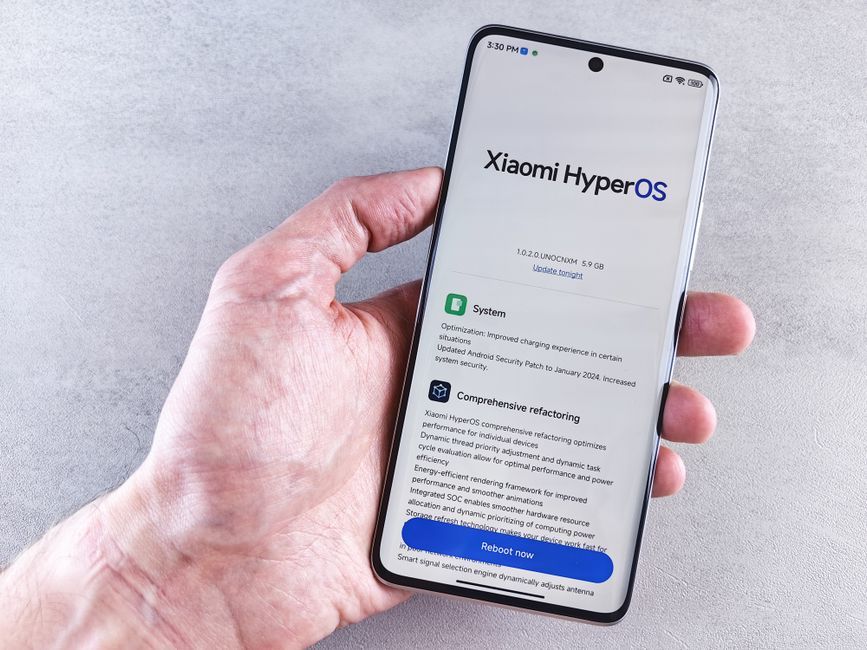
Stock photo for illustration only, not from the actual event
While fixing this particular flaw remains a top priority, it stands alongside numerous other serious concerns. Google's latest security bulletin highlights a staggering 216 vulnerabilities in total, with 23 of those classified as critical. As The Hacker News points out, two additional critical flaws within this batch could similarly allow for remote code execution if successfully exploited by attackers.
Zero-click vulnerabilities represent some of the most dangerous cybersecurity threats because they require zero action from the victim. Unlike traditional phishing attacks that rely on human error, these flaws bypass user awareness entirely by exploiting underlying code logic during standard background processes. Google's swift deployment across multiple OS iterations highlights the ongoing cat-and-mouse game between platform developers and sophisticated attackers targeting core system frameworks.
To verify whether your specific device has received and installed the necessary security patch, open the Settings application on your phone, tap on "About phone" or "About tablet," and then select the Android version displayed on the screen. Look for a security patch date of "2026-11-01" or later. All official security patches dated November 1 and onward include the fix for this specific issue. If your device displays an older date, you will need to wait until the manufacturer and carrier deliver the updated software package.
Source: Lifehacker
Found something wrong in this article? Report an issue with this article
Comments
Leave a Comment