

AI PACs spent millions trying to shape Congress — here’s how they fared
Political groups supporting and opposing the AI industry spent millions during the November 4, 2026 midterm elections to shape AI regulation, yielding mixed results.

Stock photo for illustration only, not from the actual event
- AI political groups spent millions during the November 4, 2026 midterm elections
- American Mission and Building the Future spent a combined $4.8 million backing defeated candidates
- Leading the Future focused heavily on primary elections rather than general elections
- Guardrails Alliance aims to make accepting money from AI companies a political liability
Political action committees (PACs) on both sides of the artificial intelligence industry spent millions of dollars during Tuesday's midterm elections on November 4, 2026, attempting to influence the future of AI regulation. That spending produced mixed results, with several heavily backed candidates ultimately losing their races.
On the industry side, two AI-focused political groups, American Mission and Building the Future, collectively spent $4.8 million supporting South Carolina Senate candidate Darline Graham, who lost her race. American Mission serves as the Republican spending arm of Leading the Future (LTF), a broader political organization backed by OpenAI President Greg Brockman and venture capital firm Andreessen Horowitz.
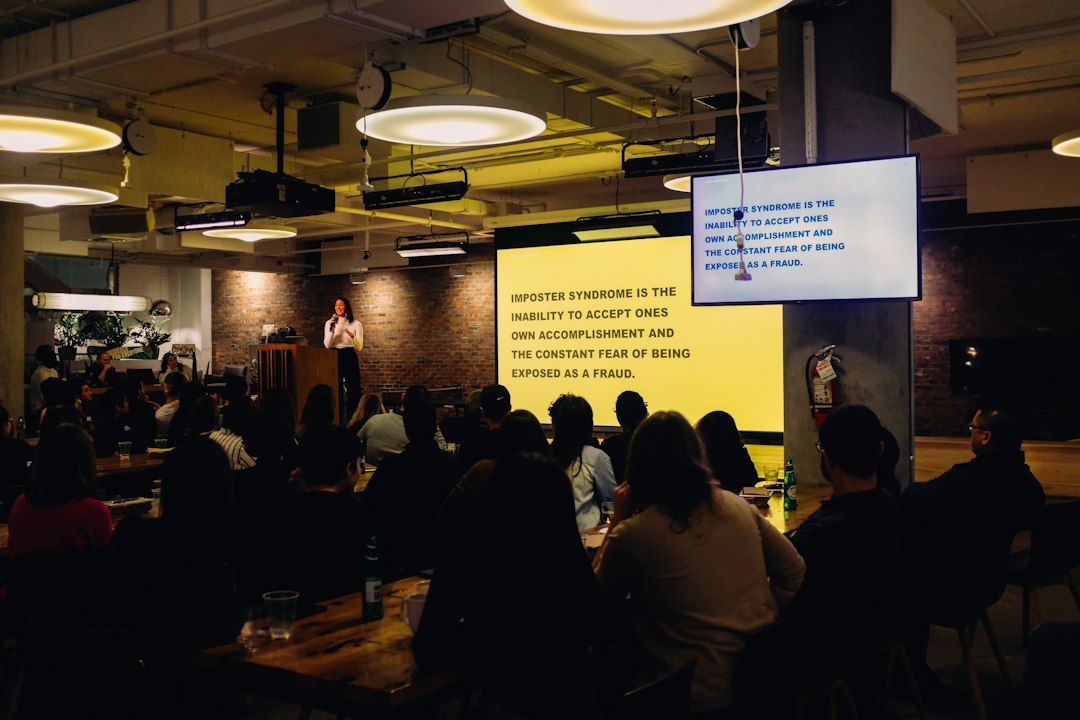
Photo by charlesdeluvio / Unsplash
American Mission additionally spent over $500,000 apiece backing Republican House candidates Aaron Flint in Montana and Laurie Buckhout in North Carolina, both of whom lost. Meanwhile, LTF's Democratic spending arm, Think Big, achieved better outcomes by backing Florida Representative Jared Moskowitz, who won his reelection bid.
Groups advocating for stronger AI safeguards experienced mixed outcomes as well. Public First, backed by Anthropic, supported several Republicans who lost through its affiliated PAC while finding greater success with Democratic candidates. It also contributed $3 million to a PAC backing California State Senator Scott Wiener, who led his race at the time of publication.
Concurrently, the Guardrails Alliance, which seeks to make taking money from AI firms a political liability, spent over $1 million apiece opposing two defeated candidates: California Representative Jimmy Gomez and Montana's Flint. The group also spent $300,000 supporting Angela Gonzales-Torres, who defeated Gomez.
"Our goal is to make AI money politically toxic."
Charlie Blaettler, political director of Guardrails Alliance
The substantial financial investments made by tech-aligned PACs illustrate Silicon Valley's ongoing push for a unified national AI framework to preempt fragmented state-level regulations. This election cycle tested whether capital deployment could sway legislative outcomes amid growing public skepticism toward technology billionaires and industry lobbying.
The core dispute between pro-industry and pro-regulation AI PACs centers on whether Congress should establish a national AI framework that overrides state laws or whether individual states should maintain authority over safeguards. Neither side appears ready to back down, with LTF planning continued spending for the 2028 elections and Guardrails Alliance pledging ongoing opposition.
Source: TechCrunch
Found something wrong in this article? Report an issue with this article
Comments
Leave a Comment