

AMD's record quarter: Data center doubles, gaming craters
AMD posts a record $13.4 billion quarter driven by a 100% surge in its data center business, while gaming revenue drops by 40 percent.

Stock photo for illustration only, not from the actual event
- AMD reported a record-breaking total revenue of $13.4 billion
- Data center business revenue doubled during the quarter
- Gaming segment experienced a significant 40 percent decline
Advanced Micro Devices (AMD) announced its latest quarterly financial results, reaching an all-time high total revenue of $13.4 billion. The stellar performance was primarily anchored by massive growth in its data center division, where revenue doubled year-over-year.
However, while enterprise infrastructure and AI-related hardware soared, another major sector struggled significantly. The company's gaming product segment suffered a steep 40 percent drop in revenue compared to previous periods.
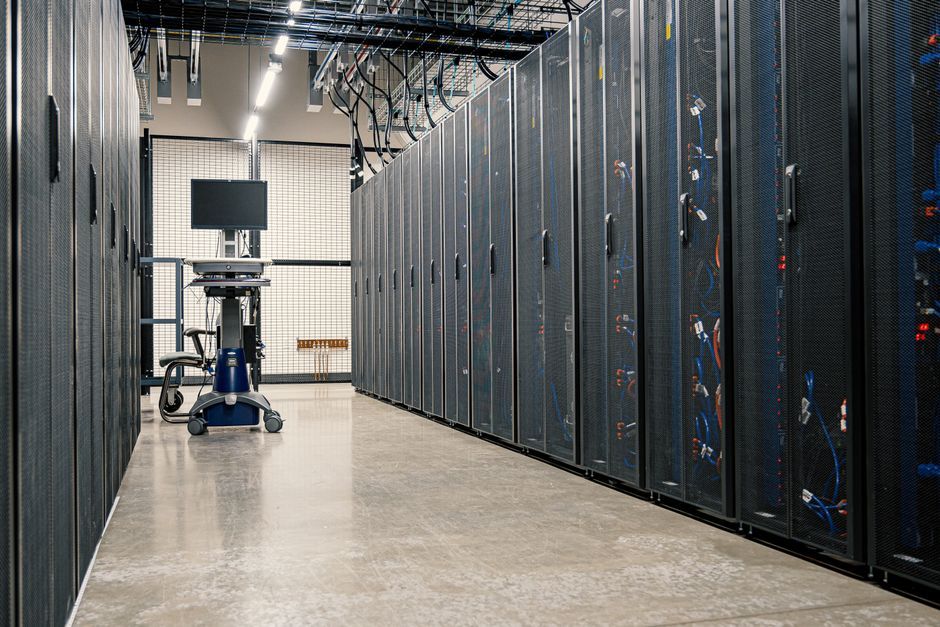
Stock photo for illustration only, not from the actual event
The explosive expansion of the data center unit served as the primary catalyst pushing AMD's overall quarterly results to historic levels, offsetting weaknesses in consumer-facing markets and underscoring the firm's strategic pivot toward high-performance enterprise computing.
The stark contrast between doubling data center sales and shrinking gaming revenue highlights a broader industry shift, where semiconductor capital expenditure is heavily favoring cloud and AI infrastructure over traditional consumer gaming hardware.
This divergence underscores AMD's deepening reliance on enterprise-grade data processing to drive its financial growth, even as the PC gaming hardware market navigates a cyclical downturn.
Source: Ars Technica
Found something wrong in this article? Report an issue with this article
Comments
Leave a Comment