

FTC Orders Delta, United, and JetBlue to Share Fare Data
The Federal Trade Commission gives Delta, United, and JetBlue 45 days to hand over fare-setting details amid a broader study on pricing methods.

Stock photo for illustration only, not from the actual event
- The FTC ordered three major airlines to disclose fare-setting methods within 45 days.
- The inquiry examines whether companies use personal data to determine prices for consumers.
- Similar orders were sent to major ride-hailing, delivery, and retail companies.
- Airlines maintain they rely on traditional dynamic pricing based on supply and demand.
Airline pricing has drawn renewed attention as federal regulators step up oversight of modern pricing algorithms. Last week, the Federal Trade Commission ordered Delta Air Lines, United Airlines, and JetBlue to provide detailed data on how they calculate and set airfares as part of an ongoing study into whether companies use personal consumer information to determine prices.
The agency has given the carriers 45 days to respond with comprehensive details on their pricing methodologies. This regulatory step arrives after increased scrutiny on airline pricing practices, fueled partly by Delta's disclosure that it was utilizing artificial intelligence to price certain fares, alongside a class-action lawsuit filed against JetBlue alleging the company uses personal trackers for dynamic pricing.
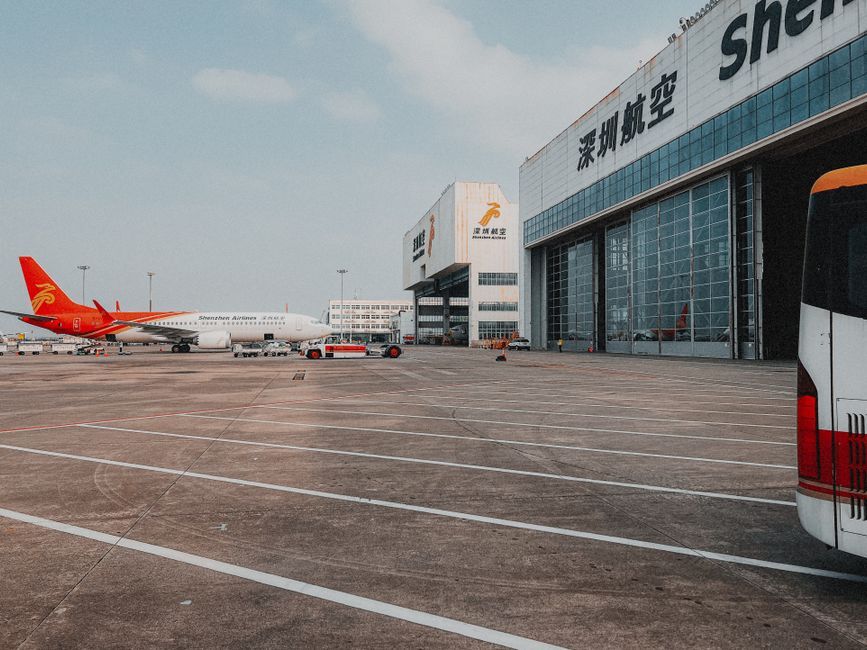
Stock photo for illustration only, not from the actual event
"We intend to scrutinize the opaque methodology that some companies in these industries may be using to determine how much consumers pay or how much gig workers are paid for the same product or service," FTC Chairman Andrew Ferguson said in a statement. Alongside the three airlines, the agency issued identical orders to Lyft, DoorDash, Uber, Instacart, Target, and Walmart, demanding transparency on pricing and worker compensation data.
Airlines have long defended their use of dynamic pricing, where fare prices fluctuate based on real-time supply and demand while keeping fares uniform for identical searches. Airlines for America, representing major carriers, stated that it welcomes the FTC study and that its members do not engage in individualized pricing. Delta previously told investors it partnered with Fetcherr to explore AI-driven pricing on a small percentage of routes, but has repeatedly maintained it has never tested or planned personalized pricing.
"We intend to scrutinize the opaque methodology that some companies in these industries may be using to determine how much consumers pay or how much gig workers are paid for the same product or service"
Andrew Ferguson
The FTC's probe highlights a growing global regulatory clash over algorithmic pricing tools. As airlines and retailers deploy sophisticated AI models capable of analyzing vast consumer datasets, watchdogs are increasingly concerned about the potential shift toward surveillance pricing—where prices are tailored to individual willingness to pay rather than broad market conditions. The outcome of this study could reshape revenue management strategies across multiple consumer industries.
Meanwhile, state legislatures are outpacing federal action on consumer data privacy. Roughly a dozen states have introduced bills this year addressing customer search data collection, with California, Arizona, Hawaii, Maryland, Pennsylvania, and Vermont proposing outright bans on surveillance pricing models.
Source: Skift
Found something wrong in this article? Report an issue with this article
Comments
Leave a Comment