

US midterms shift Trump's power: How UK's Burnham will react
BBC Political Editor Chris Mason analyzes the US midterm election results, Donald Trump's weakened domestic standing, and UK Prime Minister Andy Burnham's response.

Stock photo for illustration only, not from the actual event
- Democrats secure majorities in both the House and Senate in midterm elections.
- Prime Minister Andy Burnham notes that President Trump has accepted the results.
- The war with Iran and energy prices are seen as major drivers behind the cost-of-living crisis.
The United States midterm elections have dealt a severe blow to Donald Trump's domestic political standing, with Democrats capturing 237 seats in the House of Representatives (surpassing the 218 threshold) and 54 seats in the Senate. This historic shift not only curtails the president's legislative power at home but also raises critical questions about international diplomacy and foreign policy moving forward.
BBC Political Editor Chris Mason reports that the UK government's immediate public reaction laid bare the realities of contemporary international politics. Prime Minister Andy Burnham pointedly observed that "President Trump has accepted the results," a statement that underscores how norms once taken for granted can no longer be assumed.
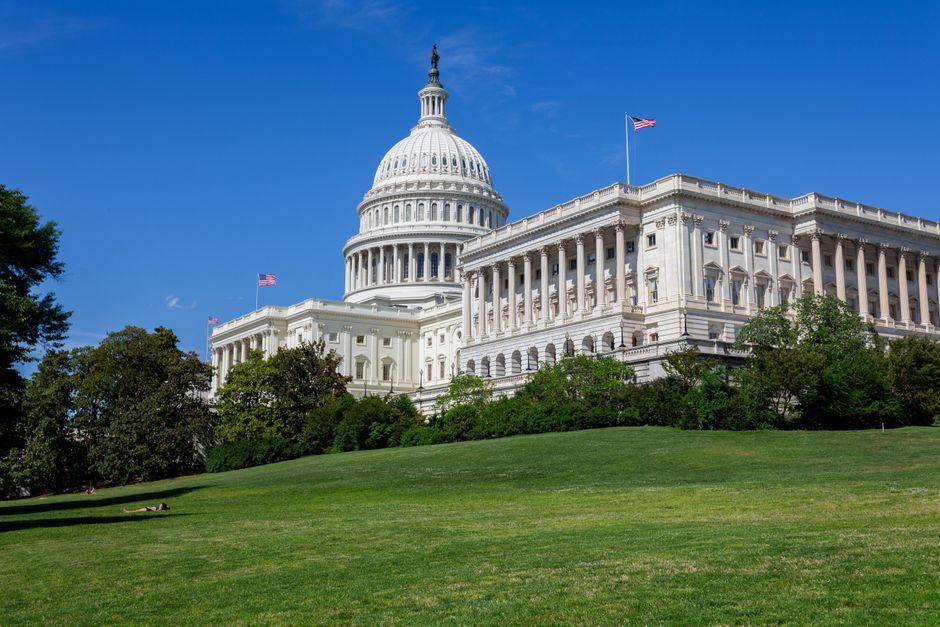
Stock photo for illustration only, not from the actual event
Burnham is still in the early stages of building a working relationship with the US president, having held only a handful of phone calls and a single face-to-face meeting at the United Nations in New York last September. However, as he attempts to forge this rapport, he does so under vastly different circumstances than those faced by Sir Keir Starmer earlier. Trump is no longer riding the wave of an extraordinary political comeback, but appears to be a president punished for the fallout of a foreign conflict.
Midterm elections in the US traditionally act as a referendum on the sitting president. By capturing majorities in both chambers of Congress, the Democratic Party holds significant leverage to block legislative agendas, veto appointments, and demand executive oversight during the remainder of Trump's term.
Within Whitehall, the ongoing war with Iran and its severe repercussions on energy prices are widely regarded as the single largest contributor to the current cost-of-living crisis. Speaking to BBC Newscast before the final votes were tallied, Foreign Secretary Ed Miliband addressed these international pressures directly when discussing the disruptions affecting households.
"The Strait of Hormuz being not exactly closed, but not properly open, not free flowing, and that is hitting families at home."
Ed Miliband, Foreign Secretary
The ultimate question facing the British government, alongside traditional allies in the European Union, Canada, and Australia, is twofold: Does defeat at home drive President Trump toward a more belligerent posture abroad? Or will allies feel emboldened to work directly with Trump's domestic political opponents to restrain a weakened American leader in world affairs?
Source: BBC Politics
Found something wrong in this article? Report an issue with this article
Comments
Leave a Comment