

Architecture That Invites Nature as a Designer
Explore 7 experimental global projects where rain, wind, and temperature actively shape and decompose structures from South Korea to California.

Stock photo for illustration only, not from the actual event
- Seven experimental projects allow nature to directly shape architectural forms
- stpmj built a rose salt arch on Jeju Island designed to dissolve in summer rain
- Aguahoja I by MIT uses bio-polymers that decompose naturally over time
- Curtain temporary shelter in Canada builds ice walls based on winter freezing
Architecture typically seeks to control surrounding natural forces, keeping water out and protecting materials against decay. Yet a number of experimental structures propose a different relationship, allowing these conditions to become active participants in the design process.
From pavilions shaped by desert winds to structures constructed by insects, these seven projects explore what happens when architects give the environment a say in how their buildings take shape.
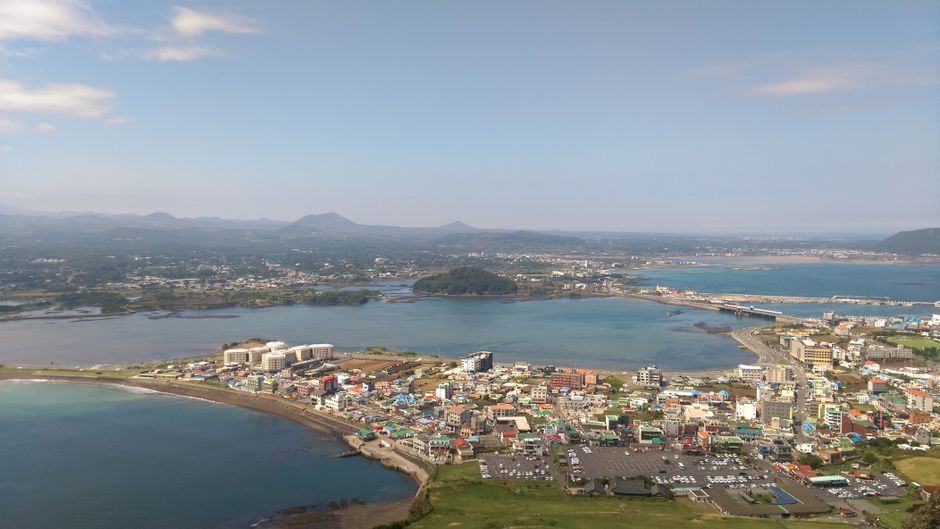
On South Korea's Jeju Island, architecture studio stpmj built a small arch from rose-colored salt bricks, knowing that the island's summer rainfall would eventually dissolve it. Over several months, the solid masonry gradually disappeared, leaving a delicate framework of mortar in its place.
The walls of Dissolving Arch, installed at the Osulloc Tea Museum on Jeju Island, were built from translucent rock-salt bricks joined by cement mortar, filtering daylight before the rainy season altered its appearance.
Stock photo for illustration only, not from the actual event
Amber-colored and glasslike, Neri Oxman's Aguahoja I rises five meters in a series of translucent surfaces varying in thickness, fabricated from biopolymers derived from organic sources including cellulose and chitosan by the Mediated Matter Group at MIT.
Over time, these biopolymers break down when exposed to water, allowing the structure to gradually return to the environment while researchers monitor its decomposition on an outdoor terrace at SFMOMA.
Winter temperatures became the principal building tool for Curtain, a temporary shelter on Winnipeg's frozen Assiniboine River designed by Alejandro Felix and Fang Cui, utilizing river water dripping along suspended ropes to form thick ice walls.
In California's Morongo Valley, architecture studio i/thee used strong desert winds to capture atmospheric conditions for Ghost House, draping canvas sheets soaked in adhesive over timber frames to harden in windblown shapes.
This architectural shift towards ephemeral and responsive design challenges the traditional paradigm of permanent monuments, treating buildings as temporary participants within active local ecosystems.
Source: designboom
Found something wrong in this article? Report an issue with this article
Comments
Leave a Comment