

Tempted by snacks before bed? Here's why and what to do
Research reveals about a third of people and 80% of 18-24 year olds snack late. Experts point to hunger hormones and brain reward systems.

Stock photo for illustration only, not from the actual event
- Around a third of people and 80% of 18-24 year olds snack every night after dinner
- The hunger hormone ghrelin peaks later in the day and is not suppressed like after breakfast
- The brain's reward system drives cravings for calorie-dense foods during late hours
- Eating nutritious evening meals rich in protein and fibre can help curb bedtime cravings
Reaching for a late-night snack after an evening meal has become a widespread habit for many individuals. Research suggests that approximately one-third of people indulge in a nightly snack following dinner, while the urge is even more pronounced among young adults aged 18 to 24, where four in five find themselves unable to resist.
Dr Kristine Beaulieu, a dietitian and researcher, points out that this behavior poses health concerns. Evidence indicates that the closer to bedtime people consume food within two hours, the greater the odds of experiencing weight gain and obesity.
The central question is why evening cravings are so common and how individuals can keep them under control. Despite spending longer hours without food while sleeping, research indicates that human appetite naturally peaks during the evening, regardless of how much food was consumed earlier in the day.
Professor James Betts, an expert in how the body handles food and energy at the University of Bath, explains that a major factor is the higher level of the hunger hormone ghrelin later in the day. He notes that while meals tend to suppress this hormone, that effect typically occurs only after the first meal of the day rather than following lunch or dinner.
"While it tends to be suppressed by meals, that really only happens after the first meal of the day, not after lunch or dinner."
Professor James Betts
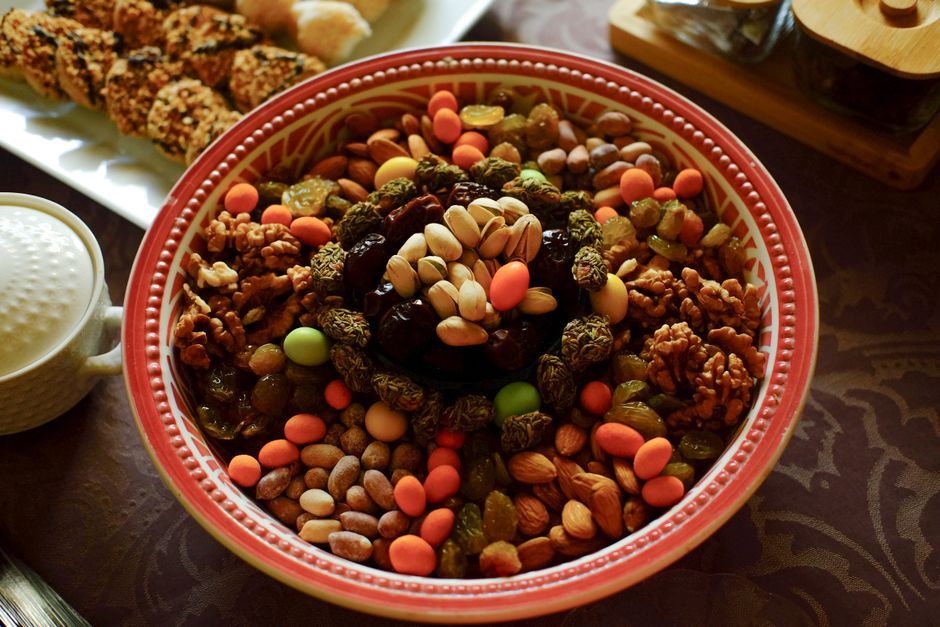
Stock photo for illustration only, not from the actual event
Furthermore, the types of food consumed play an essential role. Meals rich in protein, fibre, and volume tend to keep individuals satisfied for longer periods. Professor Betts highlights that failing to have a nutritious or satiating evening meal can lead to an energy crash later on, triggering people to snack. Other contributing factors include the fear of waking up hungry during the night and established daily habits.
Context: Human biological systems evolved to store energy when food availability was scarce, causing hunger hormones to peak in the evenings as a natural response. In modern environments where food is accessible around the clock, this biological drive presents a significant challenge for weight management and metabolic health.
Professor Suzanne Higgs, an appetite expert at the University of Birmingham, adds that when snacking consistently occurs in the exact same setting, environmental cues can easily trigger cravings. For instance, if an individual routinely snacks while watching television, simply turning the TV on can induce a feeling of hunger.
The temptation for sweet treats and calorie-dense foods later in the day is not driven solely by physical hunger needs, but rather by the brain's reward system. Dr Beaulieu, who divides her time between the University of Leeds and the University of Moncton in Canada, states that our desire and liking for high-fat foods are much greater later in the day compared to low-fat options, even after a substantial evening meal rich in sugar, fat, or salt.
Regarding sleep, the evidence remains mixed. Eating a large meal late at night directly affects digestion and the body's normal preparation for rest. Studies suggest that foods high in refined carbohydrates and added sugars, such as white bread, cakes, and biscuits, may link to poorer sleep due to blood sugar fluctuations and hormonal shifts. Meanwhile, Professor Jonathan Johnston, a sleep and body clock expert at the University of Surrey, notes that sleep deprivation is known to increase both appetite and the desire for energy-dense foods.
Managing late-night snacking begins with identifying the underlying driver. If genuine hunger is the cause, making earlier meals more filling can help. If snacking is purely habitual, altering routines and planning snacks in advance are effective strategies. Dr Beaulieu emphasizes that banning evening snacks entirely is unnecessary, as reasonable portions of enjoyable, healthy options like fruit, yogurt, or nuts provide a more sustainable approach.
Source: BBC Health
Found something wrong in this article? Report an issue with this article
Comments
Leave a Comment