

Delhi winter air pollution: Indian capital faces smog crisis
Delhi faces severe winter air pollution as authorities enforce the Winter Action Plan from November 1 to February 28 amid calls for stricter enforcement.

Stock photo for illustration only, not from the actual event
- Delhi is once again grappling with severe winter air pollution levels.
- The government implemented the Winter Action Plan from November 1 to February 28.
- Measures include vehicle restrictions, construction bans, and work-from-home guidelines.
- Experts emphasize that success relies entirely on strict execution and regional cooperation.
In living rooms across Delhi, India, cardboard boxes containing air purifiers are being unpacked alongside festive decorations as winter approaches. Residents know all too well that this signals the start of months spent breathing hazardous air.
While the capital and its surrounding cities record exceptionally high pollution levels year-round, conditions deteriorate sharply during winter. Falling temperatures and gentle winds trap pollutants near the surface, compounded by agricultural stubble burning in neighboring states, vehicle and factory emissions, construction dust, and festive firecrackers.
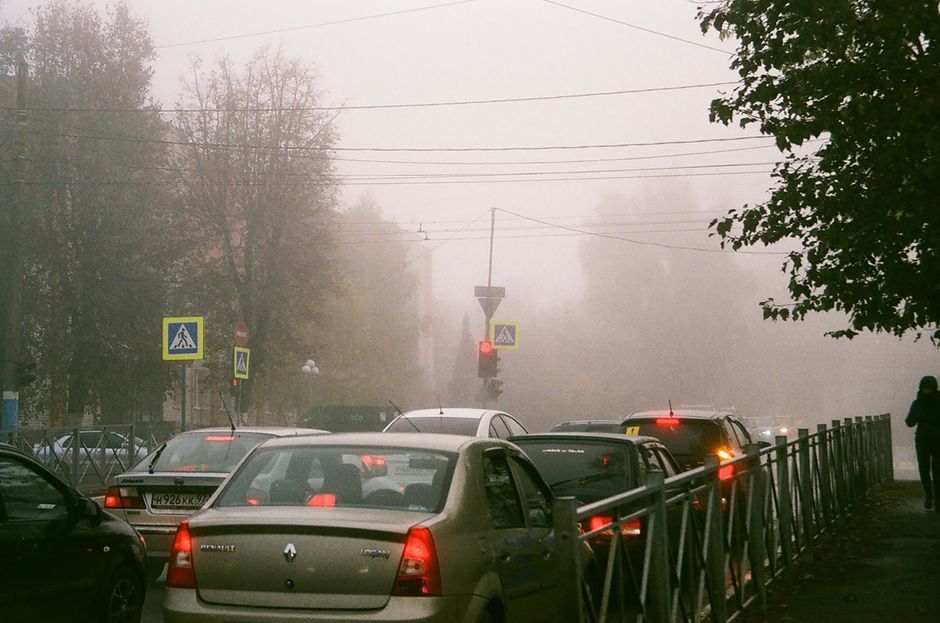
Stock photo for illustration only, not from the actual event
In response, the Delhi government introduced its Winter Action Plan months ahead of peak smog season this year. The plan remains active from November 1 through February 28, covering the period when pollution traditionally spikes to dangerous levels.
Delhi's recurring smog crisis highlights the complex intersection of rapid urbanization, unfavorable winter meteorology, and multi-state jurisdictional challenges. Addressing the root causes requires sustained inter-state coordination rather than isolated seasonal restrictions.
The government's strategy restricts older, highly polluting vehicles entering from outside Delhi, denies fuel to vehicles lacking emission certificates, and temporarily halts dust-generating demolition and construction work. Additionally, authorities have urged offices to permit half of their staff to work remotely, introduced staggered working hours, and doubled parking fees.
"There are a lot of positive changes as far as planning is concerned, but when it comes to execution, we probably still stand at the same level."
Parthaa Bosu
Experts note that while these initiatives form a solid roadmap on paper, their ultimate effectiveness hinges on enforcement. Parthaa Bosu, strategic adviser at the Environmental Defense Fund, points out that secondary pollutants and cross-border emissions from neighboring northern states further complicate the issue, indicating that localized measures alone cannot fully resolve the crisis.
Source: BBC Science & Environment
Found something wrong in this article? Report an issue with this article
Comments
Leave a Comment