

Brian Chesky Lessons: Great Founder, Struggling CEO at Airbnb
Discover how Airbnb went public at a hundred-billion-dollar valuation during COVID-19 and why Brian Chesky advocates for Founder Mode.

Stock photo for illustration only, not from the actual event
- Brian Chesky reflects on isolation after Airbnb hit a $100 billion stock market valuation
- Founder Mode is about diving into details to set standards, not constant micromanagement
- The COVID-19 crisis pushed Chesky back into hands-on leadership for the first time in 15 years
- Leaders must embrace team pushback to avoid dangerous corporate centralization
On the day Airbnb went public in December 2020, despite surpassing a valuation of 100 billion US dollars, Brian Chesky recalled that the following morning was one of the most lonely moments of his life. He did not wake up as a brand-new person, felt no significant surge of happiness, and still had to log into regular Zoom meetings just like any other ordinary day.
Chesky shared this story on the How I Built This podcast to reflect on years of accumulated realization: being the creator of a company does not automatically mean you are the right CEO to scale the organization further. His remark about being born to be a founder but turning out to be a terrible CEO challenges the popular startup belief that founders should step away from details and let professional executives handle everything as the company grows.
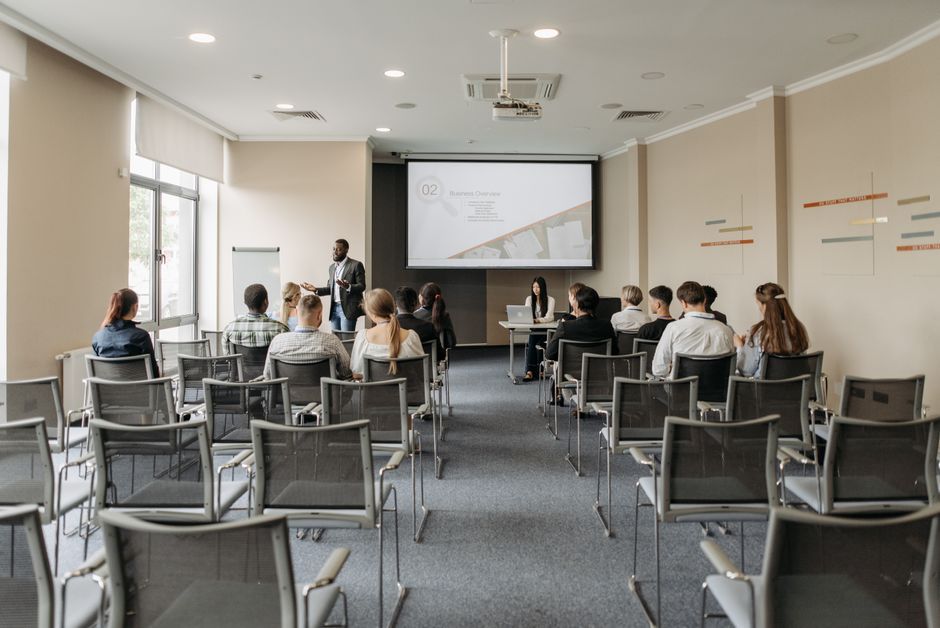
Stock photo for illustration only, not from the actual event
For Chesky, however, the answer is not that simple. What he calls Founder Mode is not a license for a CEO to interfere and control every single matter at all times, but rather a method where leaders immerse themselves to set standards, transmit core thinking, and gradually step back once the team absorbs those practices into organizational capabilities. Taking the company public amid the COVID-19 pandemic meant their victory lacked ringing bells, family presence, and early teammates celebrating side by side.
Looking back, he noted that part of his ambition stemmed from a need for validation, though praise acts like an addictive substance whose effects fade faster the more you receive it. He and Joe Gebbia spent most of their early days designing, creating, and convincing people of things that did not yet exist. Being a founder is a skill cultivated over time, whereas the CEO role is filled with counter-instinctual demands. For instance, the common advice to hire great people and step aside may work for mature firms, but for early-stage startups, bringing in senior executives lacking deep company context can cause teams to move faster than leadership and structures can manage.
"I was born to be a founder, but I'm a terrible CEO."
Brian Chesky
The pandemic crisis served as a major turning point when Airbnb faced severe uncertainty and strict cost-cutting measures, prompting Chesky to switch into Founder Mode by diving deep into details and working side by side with his team for the first time in 15 years. He drew inspiration from Steve Jobs during Apple's turnaround, highlighting the necessity to ruthlessly cut unnecessary things, make tough decisions, and sharpen team direction.
Understanding Founder Mode through Brian Chesky's perspective highlights the delicate balance between macro and micro management. In a business context, when a leader dives into operational details, it must serve the purpose of teaching and establishing benchmarks rather than stifling employee autonomy. Skipping hierarchical lines requires an open corporate culture that embraces dissent, ensuring the leader never becomes a bottleneck that hinders overall organizational growth.
Once the danger passed, some team members wanted to return to previous workflows, but Chesky discovered that staying close to details allowed him to receive direct information from deeper within the organization rather than filtered reports. Naturally, this created friction, with some senior executives viewing it as micromanagement. The crucial dividing line is that deep involvement must aim to build shared standards and data-backed decisions, not turn the CEO into an approval bottleneck.
Concluding his thoughts, Chesky stated that he is no longer driven by money or applause, but rather by the enduring joy of creation, exploration, and building new things. This philosophy offers a profound look at how leaders should adapt according to their company's life stage rather than following rigid formulas.
Source: Techsauce
Found something wrong in this article? Report an issue with this article
Comments
Leave a Comment