

Qatar Tourism Recovery Driven by Road Rather Than Air
Qatar's tourism recovers via Saudi land border while air arrivals decline for eight straight months, totaling 2.95 million visitors in 10 months.

Stock photo for illustration only, not from the actual event
- Land arrivals from Saudi Arabia increased by 18% in October
- Air arrivals dropped by 19% marking an eighth straight monthly decline
- Total visitors reached 2.95 million in the first 10 months of 2026
- September hotel occupancy stood at 61.5% with a 4% drop in RevPAR
Qatar's tourism recovery following the U.S.-Iran conflict is being driven by road traffic across the Saudi border, according to a Skift analysis of Qatar Tourism data. International visitor arrivals reached 336,000 in October, marking a 10% decrease compared to the same period last year, while September arrivals saw a 1-percent increase. Both figures represent a sharp turnaround from March, when visitor numbers plummeted 82% year over year to 63,000.
During the first 10 months of 2026, Qatar welcomed 2.95 million visitors, reflecting a 24% decline from the 3.9 million recorded during the same timeframe last year. Road travel remains the sole growing segment for arrivals, with land entries coming exclusively through Qatar's sole border with Saudi Arabia rising 18% year over year in October. Conversely, air arrivals fell 19%, marking an eighth consecutive month of decline.
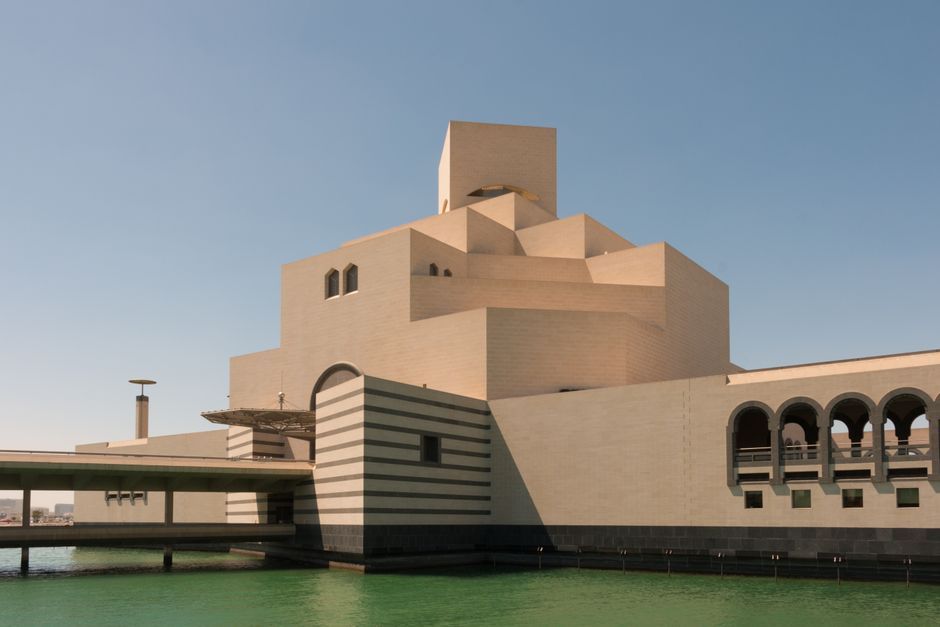
Stock photo for illustration only, not from the actual event
This shift carries significant implications for hotels and tourism revenue, as travelers flying in from long-haul markets typically stay longer and spend more than weekend drive-in guests. Siddhartha Chowdhry, general manager at Shaza Doha, noted that several pre-war source markets have yet to return due to travel advisories, reduced airline seat capacity, higher travel insurance costs, and weakened traveler confidence.
Relying on drive-in visitors from neighboring Saudi Arabia helps sustain baseline hotel occupancy during a slump in aviation arrivals, but their tendency for shorter weekend trips limits their overall economic impact on revenue per available room (RevPAR) compared to long-haul flight markets. Consequently, leaning heavily on major global events serves as a crucial temporary strategy to fill rooms originally built for mega-scale tournaments.
Hotel performance metrics showed September occupancy at 61.5%, down three percentage points year over year but well above April's low of 44.5%, while revenue per available room (RevPAR) decreased by 4%. Meanwhile, sea arrivals have remained near zero since March, making the upcoming cruise season a vital test for returning vessels.
Qatar is once again leaning on events to fill rooms built for the 2022 World Cup, featuring MotoGP and Formula 1 events in November, the upcoming 2030 Asian Games, and a bid for the 2036 Olympics, although it has already lost the 2028 Nations Championship rugby finals due to conflict-related uncertainty.
Source: Skift
Found something wrong in this article? Report an issue with this article
Comments
Leave a Comment