

Investigation launched into major fish kill in Northern Ireland
Northern Ireland authorities investigate a major pollution incident in County Down rivers that killed an estimated 1,000 fish.

Stock photo for illustration only, not from the actual event
- Northern Ireland environment department investigates pollution incident
- An estimated 1,000 fish killed in Gransha, Ballystockart and Inler rivers
- Local wildlife including kingfishers, herons and otters are affected
- The river previously suffered major pollution events in 2013 and 2015
Authorities in Northern Ireland have launched an investigation following a major pollution incident that resulted in a significant fish kill. The contamination affected brown and migratory sea trout across several waterways, including the Gransha, Ballystockart and Inler rivers located in County Down.
Glenn McKibbin, secretary of the Inler Angling Club, stated that approximately 1,000 fish perished in the incident. He described the timing and location as devastating, noting that it occurred precisely when migratory fish return upstream to spawn, obliterating current and future fish stocks for years to come.
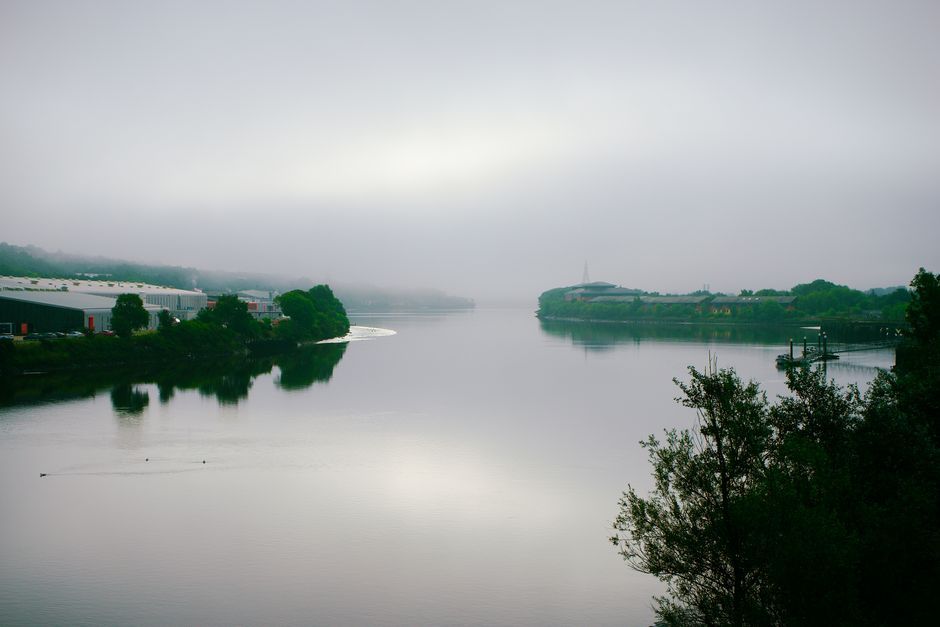
Stock photo for illustration only, not from the actual event
The Northern Ireland Environment Agency (NIEA) and Daera Inland Fisheries are collaborating to identify the source of the pollution and finalize the exact tally of dead fish. Officials confirmed that the incident was first reported by a member of the public on Tuesday at 09:30 GMT.
"Current and future fish stocks obliterated for years to come"
Glenn McKibbin, Inler Angling Club Secretary
Beyond the direct impact on fish populations, the pollution has triggered unavoidable knock-on effects for local wildlife. Resident kingfishers, herons, and otters that rely on the river ecosystem are also feeling the consequences of the toxic discharge.
Pollution incidents in smaller tributary rivers often have catastrophic effects on local ecosystems because lower water volumes limit the natural dilution of contaminants. Furthermore, because these streams serve as crucial spawning grounds for migratory species, the loss of spawning adults during the breeding season can severely disrupt population recovery for multiple generations.
Club chairperson David Pyper expressed deep disappointment on behalf of the volunteers who dedicate their time to river conservation. The incident is particularly demoralizing as the waterways were still recovering from previous major pollution events recorded in 2013 and 2015, prompting calls for authorities to prioritize water quality protection.
Source: BBC Science & Environment
Found something wrong in this article? Report an issue with this article
Comments
Leave a Comment