

Piyarat Defends House Committee's PM Summons
Piyarat Jongthep from the People's Party defends the House Committee on Legal Affairs' decision to summon the Prime Minister, citing full compliance with quorum rules on Nov 6, 2026.

Stock photo for illustration only, not from the actual event
- Piyarat Jongthep insists the committee's decision to summon the PM follows legal frameworks
- Clarifies that the active committee size dropped to 14 after a Pheu Thai MP resigned
- Challenges five Bhumjaithai MPs to file an ethics probe against Rangsiman Rome
On November 6, 2026, Piyarat Jongthep, a party-list MP from the People's Party and vice-chairman of the House Committee on Legal Affairs, Justice, and Human Rights, addressed public and political debates regarding the committee's resolution to summon the Prime Minister to clarify matters before parliament, firmly insisting that the voting process strictly adhered to quorum regulations and legal frameworks.
Piyarat elaborated on the committee's attendance figures on the day of the meeting, noting that the full committee consists of 15 members drawn from both government and opposition parties. According to parliamentary regulations, a valid quorum requires more than half of the members, or at least 8 individuals, to be present for a vote.
However, the active roster shifted when MP Siwa Phongtheradul, representing Chaiyaphum for the Pheu Thai Party and serving on the committee, submitted his resignation. This reduced the number of active committee members performing their duties to 14, thereby lowering the majority threshold required for a valid quorum to 7 or more members.
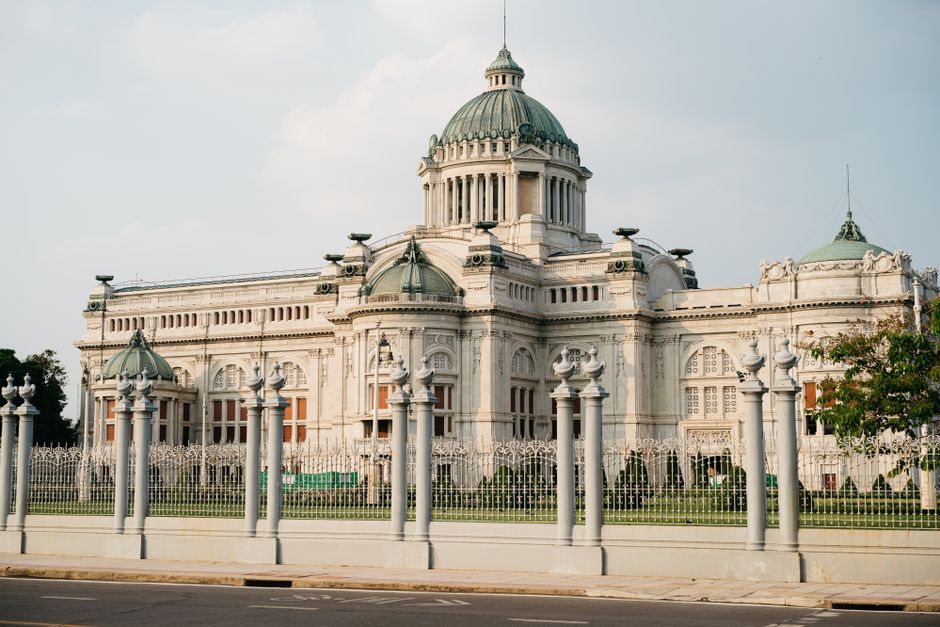
Stock photo for illustration only, not from the actual event
Disputes over parliamentary committee quorums are common friction points in Thai politics, where opposing factions scrutinize procedural legitimacy. When mid-term resignations alter committee sizes, parliamentary legal interpretations typically rely on the remaining active members rather than the original roster to determine quorum validity, ensuring legislative oversight work can proceed without continuous deadlock.
Furthermore, addressing threats from five Bhumjaithai Party MPs regarding potential disciplinary actions, Piyarat openly challenged them to proceed with filing an ethics investigation against committee chairman Rangsiman Rome. He asserted that the committee welcomes the scrutiny and is fully prepared to present legal documents and facts to defend the legitimacy of their actions.
Source: Khaosod Politics
Found something wrong in this article? Report an issue with this article
Comments
Leave a Comment