

Climate Change Impacts: Heatwaves, Droughts and Wildfires
Explore 4 major ways global warming intensifies extreme weather events including heatwaves, heavy rainfall, severe droughts and wildfires worldwide.

Stock photo for illustration only, not from the actual event
- Rising average global temperatures make extreme weather events both more frequent and more intense.
- Warmer air holds about 7% more moisture per 1C of warming, driving heavier rainfall patterns.
- Global warming accelerates evaporation from soil and vegetation, worsening drought and wildfire conditions.
- Scientists use climate attribution models to simulate and measure human influence on extreme weather.
Extreme weather events are becoming increasingly common and intense across the globe, heavily driven by human activities such as the burning of fossil fuels and the resulting accumulation of greenhouse gases.
Even minor increases in average global temperatures significantly alter temperature extremes. Researchers utilize computer models to simulate individual weather events by comparing today's world featuring roughly 1.4C of human-caused warming against a hypothetical world without human influence.
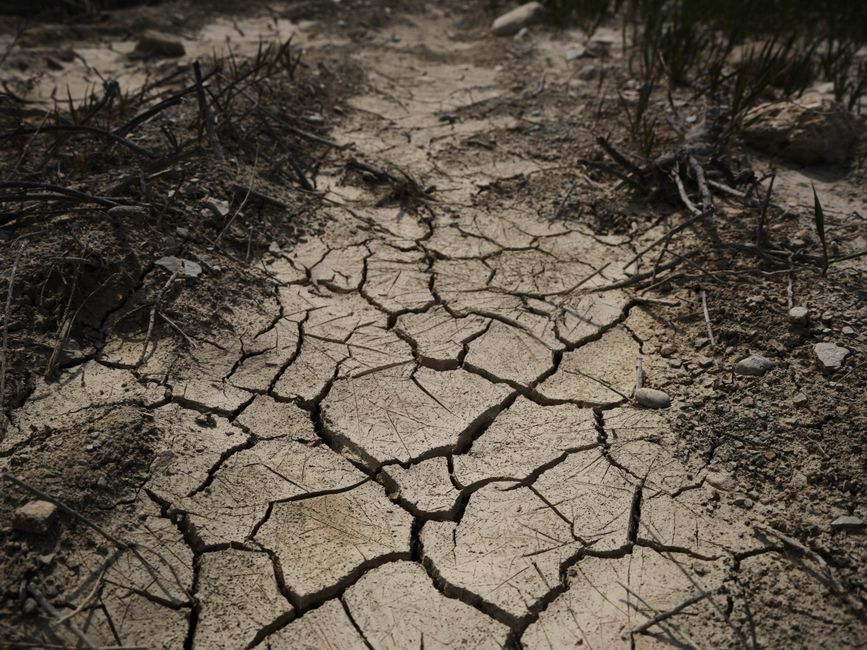
Stock photo for illustration only, not from the actual event
The UK experienced its hottest summer on record in 2026, which the Met Office stated was made 130 times more likely due to climate change. Five widespread heatwaves resulted in 40 days of temperatures exceeding 30C (86F). Dr Mark McCarthy, Head of Climate Attribution at the Met Office, described the summer as remarkable and warned of more frequent extreme heat ahead.
According to the World Weather Attribution (WWA) group, climate change has intensified multiple heatwaves globally this year, including Australia's worst heatwave in six years, India's 45C temperatures in April, and deadly June temperatures across Europe.
"Summer 2026 was remarkable."
Dr Mark McCarthy, Head of Climate Attribution at the Met Office
Regarding precipitation, every 1C rise in air temperature enables the atmosphere to hold approximately 7% more moisture. This surplus moisture contributes directly to heavier rainfall events globally, as documented by the Intergovernmental Panel on Climate Change (IPCC).
Understanding these extreme weather mechanics through climate attribution science provides critical context for global disaster preparedness. The direct link between rising temperatures, atmospheric moisture capacity, and intensified dry spells highlights how rapidly the planet's hydrological cycle is shifting under continued greenhouse gas emissions.
In terms of droughts and wildfires, prolonged extreme heat extracts critical moisture from soils and vegetation. These tinder-dry conditions supply abundant fuel for wildfires, which spread rapidly during high winds, such as the January 2026 fires in Chile and Argentina where burned areas expanded by about 36% due to climate change.
Source: BBC Science & Environment
Found something wrong in this article? Report an issue with this article
Comments
Leave a Comment