

Paris Agreement 2015: What it is and why 1.5C warming matters
Explore the 2015 Paris Agreement aiming to limit global warming to 1.5C, latest UN climate reports, US withdrawal, and climate finance for developing nations.

Stock photo for illustration only, not from the actual event
- Nearly 200 countries signed the landmark Paris Agreement in 2015 to limit global warming to 1.5C.
- The US withdrew from the pact in January 2026 under President Donald Trump.
- Nepal became the first country approved for climate loss and damage funds in August 2026.
- COP31 is scheduled for 9 to 20 November 2026 in Antalya, Turkey, co-hosted by Australia.
In Paris in 2015, nearly 200 countries signed a landmark treaty designed to limit global warming to 1.5C and avoid its worst impacts. Despite progress in areas such as renewable energy, the world has continued to warm at a rapid pace.
A recent UN report stated that the target was likely to be breached in the next few years and that urgent and stringent action would be needed to return the world to 1.5C. The Paris Agreement forms the core of international commitments to tackle rising global temperatures, officially entering into force on 4 November 2016.
However, the United States, the world's second-biggest greenhouse gas emitter, withdrew from the deal in January 2026 under President Donald Trump. The US previously withdrew during Trump's first term before rejoining in 2021 under Joe Biden. The only other UN member states outside the agreement are Iran, Libya, and Yemen.
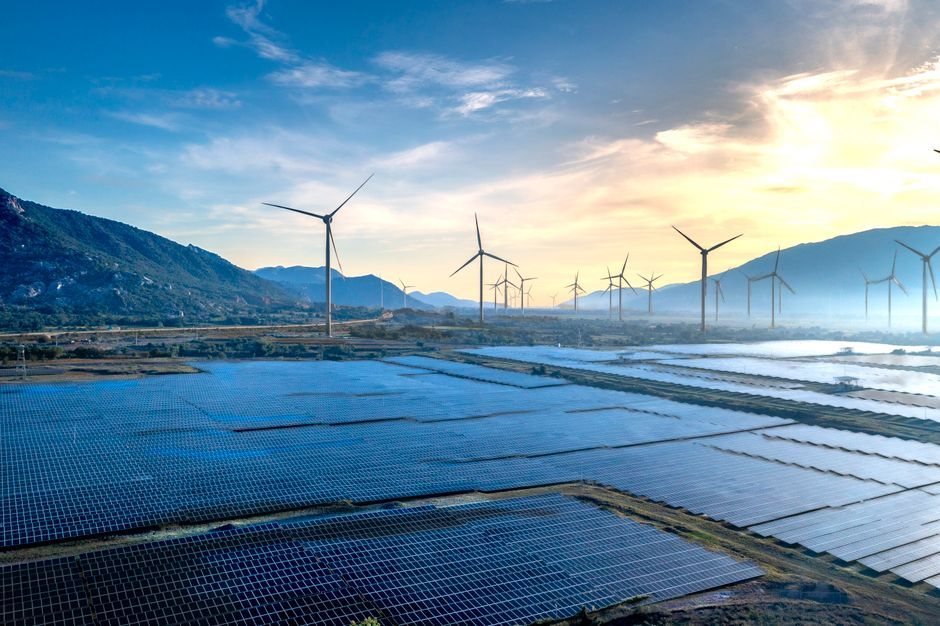
Stock photo for illustration only, not from the actual event
The Paris Agreement outlines several key commitments, including achieving net-zero greenhouse gas emissions in the second half of this century, requiring each country to set its own emission-reduction targets reviewed every five years, and compelling richer nations to provide climate finance to poorer countries.
The 1.5C target generally refers to a 20-year average rather than a single calendar year. Climate scientists note that every 0.1C of warming brings greater risks, including longer heatwaves, more intense storms, and wildfires.
"The latest UN Emissions Gap Report said the limit was likely to be exceeded in the next few years after decades of insufficient climate action."
United Nations (UN)
Regarding financial support, the Paris deal restated a commitment for richer nations to provide $100bn annually by 2020. OECD data shows this goal was met each year starting from 2022. In 2023, countries agreed to establish an exclusive fund for loss and damage, with Nepal becoming the first recipient following devastating flash floods in August 2026 that killed over 1,400 people.
While the Paris Agreement provides a robust framework for international climate diplomacy, its enforcement relies heavily on shifting political landscapes in major economies like the United States. As global emissions test the 1.5C threshold, financial transparency and accelerated renewable adoption remain critical testing points for future COPs.
Source: BBC Science & Environment
Found something wrong in this article? Report an issue with this article
Comments
Leave a Comment