

Leonid Meteor Shower 2026: Peak Skywatching This Weekend
The 2026 Leonid meteor shower runs until Nov 30, peaking on Nov 17 night with up to 15 meteors per hour visible to the naked eye amid cloud and fog challenges.

Stock photo for illustration only, not from the actual event
- The annual Leonid meteor shower is illuminating the night sky across the UK throughout November 2026.
- The peak on the night of November 17 is expected to yield between 10 and 15 meteors per hour.
- Dust particles from Comet 55P/Tempel-Tuttle enter the Earth's atmosphere at speeds reaching 71 kilometers per second.
- Weekend weather brings cloud cover and fog risks, though southern and western England and Wales hold the best clear-sky chances.
A dazzling celestial spectacle is lighting up the night sky across the United Kingdom this November 2026 as the Leonid meteor shower arrives for its annual display. Running from now until November 30, the astronomical event reaches its much-anticipated peak on the night of November 17, offering stargazers the chance to spot between 10 and 15 meteors every single hour.
This brilliant shower originates from dust particles shed by Comet 55P/Tempel-Tuttle, which leaves a trail of debris along its orbital path around the Sun. These particles slam into the Earth's atmosphere at speeds of up to 44 miles, or 71 kilometers, per second, making these luminous streaks the absolute fastest meteors visible in our skies.
Ben Rich, BBC Lead Weather Presenter, advises stargazers to find a safe and dark location far away from light pollution sources such as street lamps. The meteors can be easily spotted with the naked eye, meaning expensive binoculars or telescopes are entirely unnecessary for the experience.
Allowing your eyes roughly 20 to 30 minutes to properly dark-adapt will significantly boost your chances of catching the streaks. A wide open space remains the optimal setting to secure a full, uninterrupted view of the nocturnal dome above.
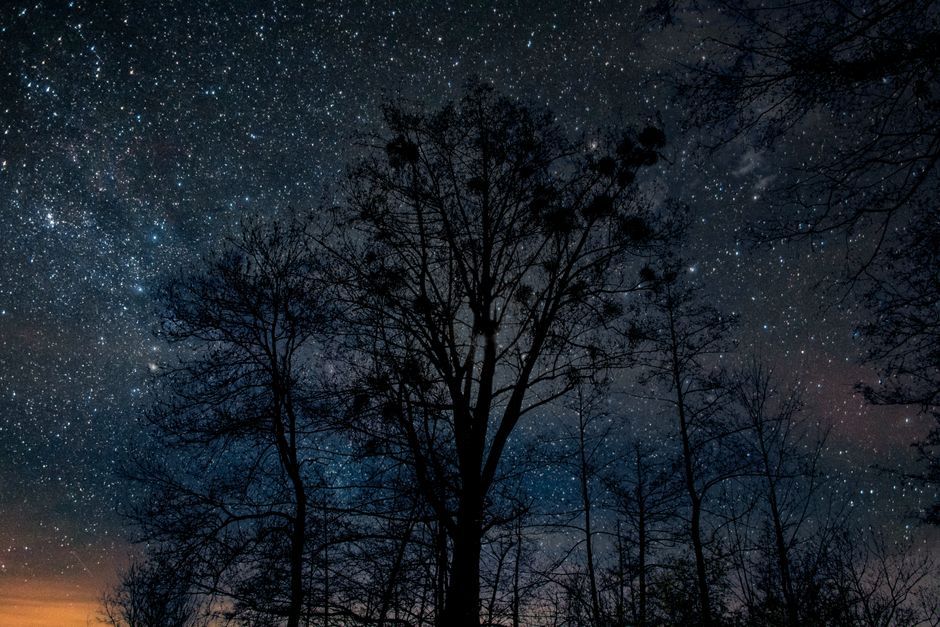
Stock photo for illustration only, not from the actual event
While meteors can theoretically flash across any part of the atmosphere, the Leonids' radiant—the specific point from which they appear to diverge—will be positioned near the head of the constellation Leo, making that section of the sky the prime target for your gaze.
The Leonid shower is renowned for producing some of the fastest meteors known to astronomy, creating razor-sharp streaks across the firmament. Because late-autumn temperatures in the UK regularly drop into single digits accompanied by potential frost, proper thermal layering is vital for anyone spending extended periods outdoors.
Nevertheless, this weekend's forecast presents a mixed bag for those eager to catch the opening nights of the shower. While conditions will frequently remain dry, heavy cloud cover is anticipated to blanket numerous regions, accompanied by occasional spots of light drizzle.
At present, the most promising windows for clear skies appear concentrated across southern and western regions of England alongside Wales on Friday and Saturday nights, whereas northern England, Northern Ireland, and Scotland will contend with heavier clouds.
By Sunday night, a broader swath of the UK is projected to clear up, though fog could emerge as a secondary hurdle wherever skies stay open for prolonged periods. With overnight temperatures dipping into single digits and slight frost possible in isolated spots, dressing warmly is essential for extended viewing sessions. Those who miss out this weekend can take comfort in knowing peak conditions mid-month will benefit from a below-horizon Moon around midnight, minimizing lunar glare.
Source: BBC Science & Environment
Found something wrong in this article? Report an issue with this article
Comments
Leave a Comment