

Commons Speaker slams frustrating delays in Parliament revamp
Commons Speaker Sir Lindsay Hoyle warns that ongoing delays in Parliament's restoration cost taxpayers £420m annually.

Stock photo for illustration only, not from the actual event
- Delays in the UK Parliament restoration cost taxpayers an estimated £420m every single year.
- Sir Lindsay Hoyle warns the historic palace remains vulnerable to a devastating fire like Notre Dame.
- Proposed relocation options range up to £39bn in costs and a timeline of 61 years.
- Parliamentary votes on initial works and project scope are anticipated before the end of 2026.
Commons Speaker Sir Lindsay Hoyle has voiced sharp frustration over the persistent delays plaguing the monumental restoration project of the Houses of Parliament. Highlighting the heavy financial toll, he noted that every additional year of delay adds a staggering £420m to the burden carried by taxpayers. Furthermore, the Speaker issued a stark warning that the historic Westminster estate remains dangerously vulnerable to a catastrophic fire mirroring the blaze that devastated the Notre Dame Cathedral.
Sir Lindsay criticized existing legislative frameworks which dictate that major renovation works cannot officially commence until Parliament grants formal approval for the entire project's scope and overall funding. He stressed that administrative hurdles must be cleared to allow immediate action on critical structural faults, emphasizing the urgent need to address severely compromised zones within the complex.
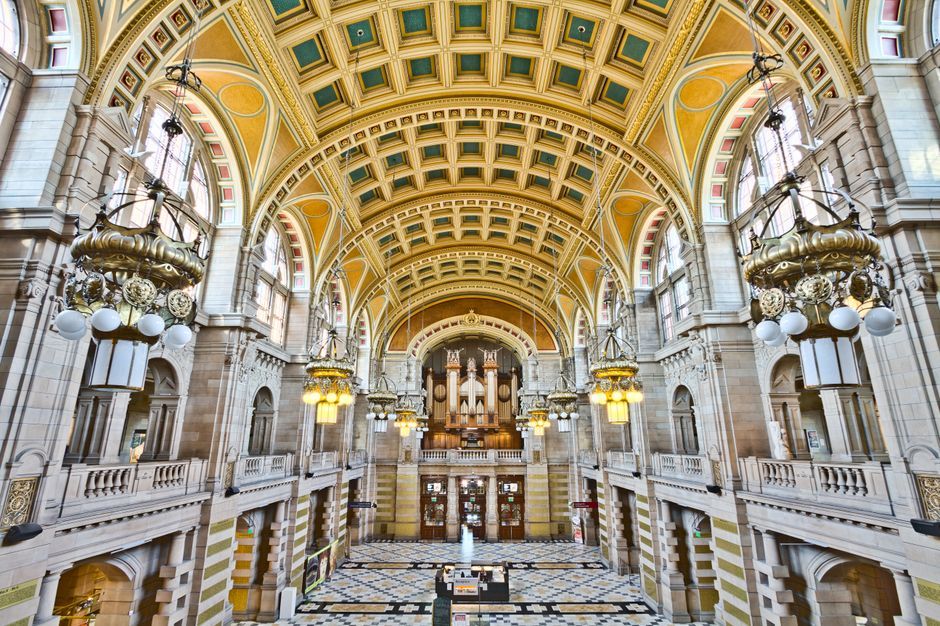
Stock photo for illustration only, not from the actual event
The Speaker also questioned the inexplicable delay in rolling out a comprehensive fire-suppressing mist system across the entire building, noting he has advocated for the crucial safety upgrade for years. Regarding reports suggesting Parliament could secure an opportunity to vote on the strategic path forward before the end of 2026, Sir Lindsay stated that scheduling remains entirely in the hands of government business managers.
"What we have to do is renovate and repair the problems areas."
Sir Lindsay Hoyle
BBC understands that government whips have actively discussed staging a formal debate and vote before the new year, although an official calendar date is yet to be finalized. This upcoming vote would determine whether to authorize up to £3bn in initial preliminary works while narrowing down four competing renovation strategies ahead of a definitive final decision slated for 2030.
The ongoing debate surrounding the Houses of Parliament restoration underscores the extreme complexity of upgrading an ancient, UNESCO-listed legislative hub while managing public funds. Frequent discoveries of hazardous materials like asbestos, coupled with intense political sensitivity regarding relocation and spiraling expenses, have continually pushed back critical infrastructure decisions across multiple administrations.
Current proposals under evaluation outline radically different logistical approaches. One option would require MPs and peers to vacate the site for up to 24 years starting in 2032, with an estimated price tag of £15.6bn. Alternatively, another scheme proposes relocating solely the House of Lords, which would drive costs up to £39bn and stretch the construction timeline across 61 years.
Source: BBC Politics
Found something wrong in this article? Report an issue with this article
Comments
Leave a Comment