

How the Bantu expansion transformed Africa
Scientists are utilizing genetics and archaeology to trace the monumental migration of Bantu speakers that reshaped the African continent.

Stock photo for illustration only, not from the actual event
- Scientists combine genetics and archaeology to study ancient migration patterns
- The Bantu expansion fundamentally altered African languages, genes, and cultures
- Modern research helps unravel one of the most significant human migrations
Mass migration events throughout history serve as vital keys to understanding human distribution and development. Recently, scientific advancements—specifically the integration of genetic analysis with archaeological evidence—have allowed researchers to gain a clearer picture of how groups of Bantu-speaking people spread and settled across a vast portion of the African continent. This monumental movement carried not only ways of life but also left enduring biological and cultural imprints that persist today.
Historically, reconstructing the routes and mechanisms of the Bantu expansion relied primarily on archaeological findings and linguistic studies, which often came with limitations regarding precise timelines and deep details. Today, however, scientists can extract data from ancient DNA to examine genetic shifts among populations across various regions, enabling a much more accurate simulation of this complex, centuries-long movement.
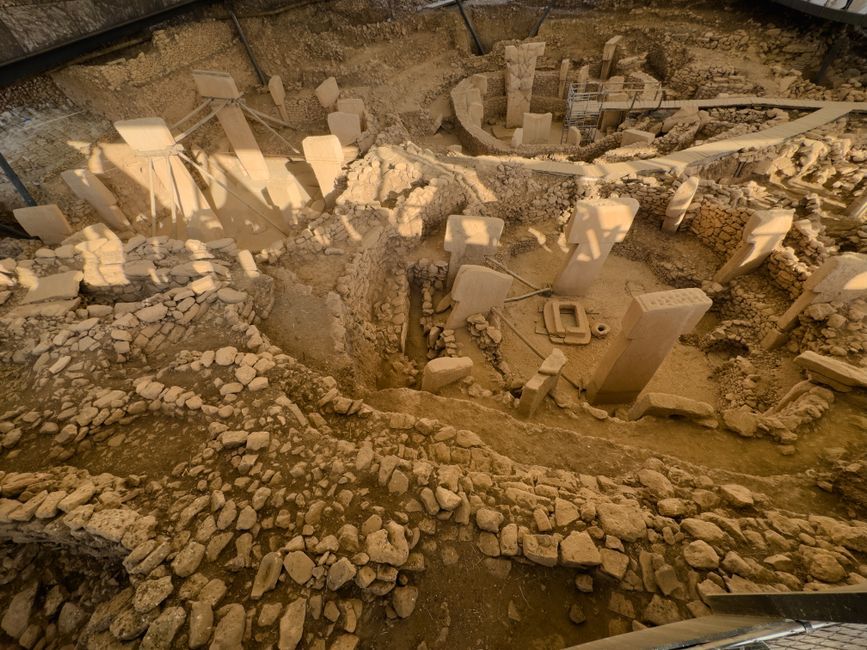
Stock photo for illustration only, not from the actual event
The study of the Bantu expansion remains a cornerstone of anthropological and genetic research, representing one of the largest post-historic human dispersals. Combining ancient DNA with archaeological records allows researchers to deeply comprehend the cultural and genetic amalgamation between incoming groups and indigenous populations.
The synergy between genetic data and archaeology continues to address lingering historical questions, with research teams focusing on measuring the rates of genetic mixing among different populations along migration routes to better understand past interactions.
Source: Ars Technica
Found something wrong in this article? Report an issue with this article
Comments
Leave a Comment