

Labubu Hype Fades as Pop Mart Sales Drop and Fans Move On
The fluffy monster craze is cooling down as Pop Mart global sales fall 50% and US revenue drops by at least 70%, prompting collectors to shift to other trends.

Stock photo for illustration only, not from the actual event
- Pop Mart global sales for the three months ending September dropped by as much as 50%.
- US revenue experienced a steep decline of at least 70% compared to the previous year.
- Dedicated collectors are shifting their focus to alternative blind box trends like Hello Kitty and Sonny Angels.
- Experts note the core challenge is building enduring characters without relying solely on viral celebrity moments.
The unstoppable frenzy surrounding Labubu dolls appears to be losing momentum. For years, collectors eagerly snapped up mystery blind boxes containing the quirky monsters, often paying fifteen dollars or significantly more on the resale market for rare editions.
The intense hype once inspired a North Carolina superfan named Ensito to quit his technology job in 2024 to create full-time Labubu content, traveling as far as Italy and Spain while even commissioning custom jagged teeth to wear at events. Today, however, his focus has shifted to alternative trends like Hello Kitty and squishies.
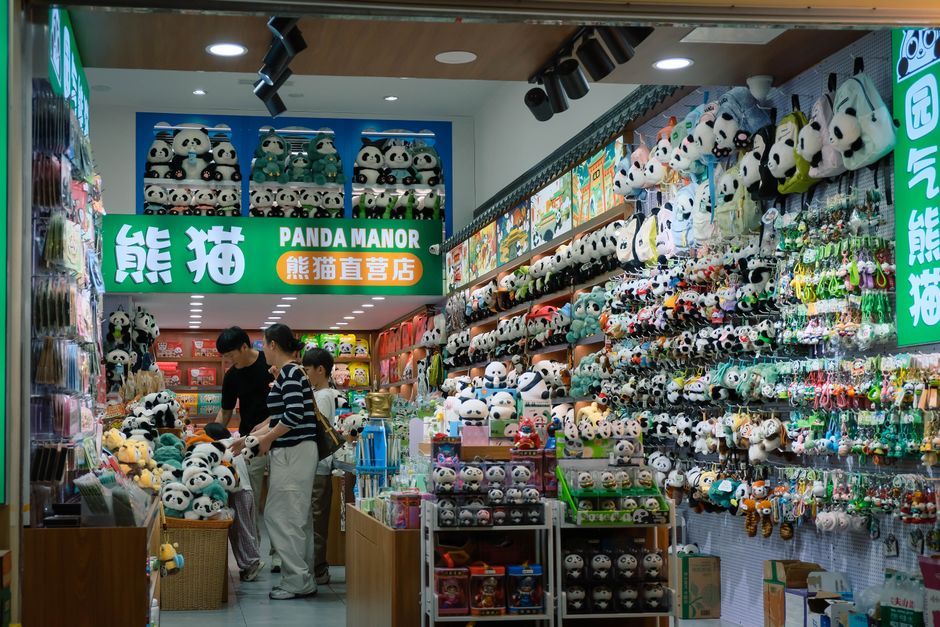
Stock photo for illustration only, not from the actual event
This cooling trend indicates that the craze which once propelled Beijing-based parent company Pop Mart to a valuation surpassing US toy giants Hasbro and Mattel combined may be running out of steam. Recent financial reports reveal that global sales in the quarter leading up to September fell by up to 50 percent year-on-year, with the US market suffering an even steeper drop of at least 70 percent.
Launched in 2019, Labubu became Pop Mart's most successful line, boosted by marketing tactics that evoked childhood nostalgia. The monsters transformed into major fashion statements sported by celebrities including Kim Kardashian and Blackpink's Lisa, occasionally triggering long queues and even in-store fights before one fan famously spent over 150,000 dollars on a human-sized doll.
"The sales tactic made collecting feel nostalgic, evoking the feeling of opening gifts as a child."
Katelynn Carlson
However, as production scaled up to meet massive demand, the crucial element of exclusivity began to fade. Investors grew concerned that the global success was merely a viral flash in the pan rather than sustainable long-term loyalty, while rivals such as Sonny Angels, Smiski, and Miniso's licensed blind boxes gained shelf space.
Pop Mart's trajectory highlights the inherent volatility of viral toy trends built on artificial scarcity rather than narrative foundations. Unlike traditional franchising giants like Disney that establish deep storytelling before merchandising, Pop Mart's reverse approach faces a severe test in proving whether consumers will remain attached to characters once celebrity endorsements fade.
As the mania subsides, collectors like Canada-based Clara Barbero note that they are becoming much more selective, curating their collections based on personal long-term preference rather than automatically purchasing every newly released series.
Source: BBC Business
Found something wrong in this article? Report an issue with this article
Comments
Leave a Comment