

Science Corp.'s PRIMA bionic eye chip wins EU green light, prepares to treat blind patients
Brain-computer interface tech startup Science Corp. secures approval from European medical device regulators, preparing to launch the PRIMA chip to restore vision for age-related macular degeneration patients.
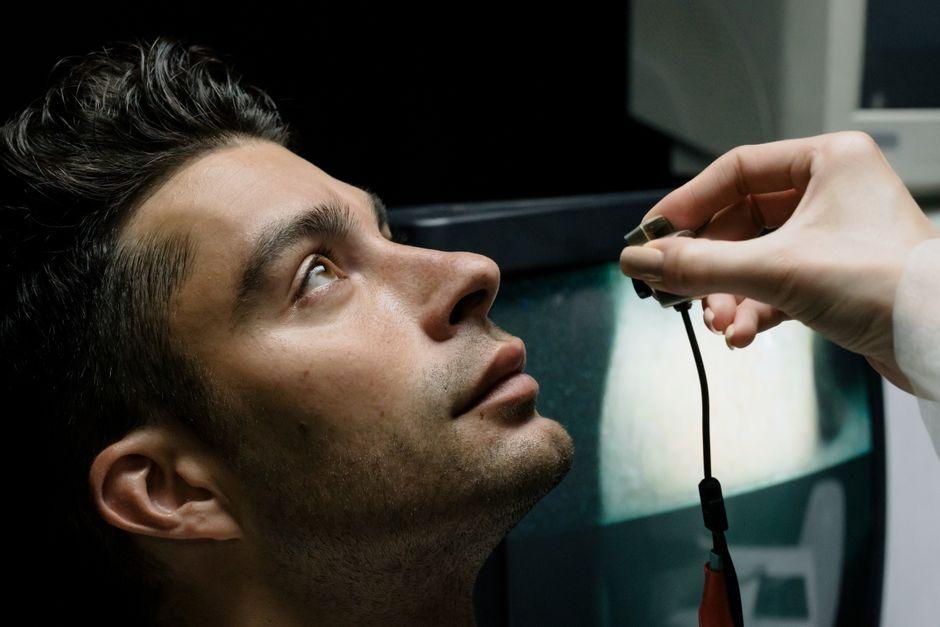
Stock photo for illustration only, not from the actual event
- Science Corp.'s PRIMA bionic eye chip has been approved in Europe to treat age-related macular degeneration.
- Patients must undergo a one-hour outpatient surgery to have the chip implanted at the back of the eye.
- Wearing camera-equipped glasses to transmit images to the chip helps those who have lost their sight see again.
- First deployment is scheduled to begin in Germany this coming September.
Science Corporation, a startup developing brain-computer interface (BCI) technology, has received approval from European medical device regulators to commercialize a medical device designed to restore vision for patients who have lost their sight due to age-related macular degeneration.
The company revealed that the device, named PRIMA, has also been granted breakthrough designation by the U.S. Food and Drug Administration (FDA), marking a first step toward an expedited regulatory review process, which could potentially be used to treat two rare forms of blindness in the future.
Millions of people worldwide face age-related macular degeneration, which destroys light-sensitive cells at the back of the eye, making everyday tasks like reading and recognizing people's faces difficult.
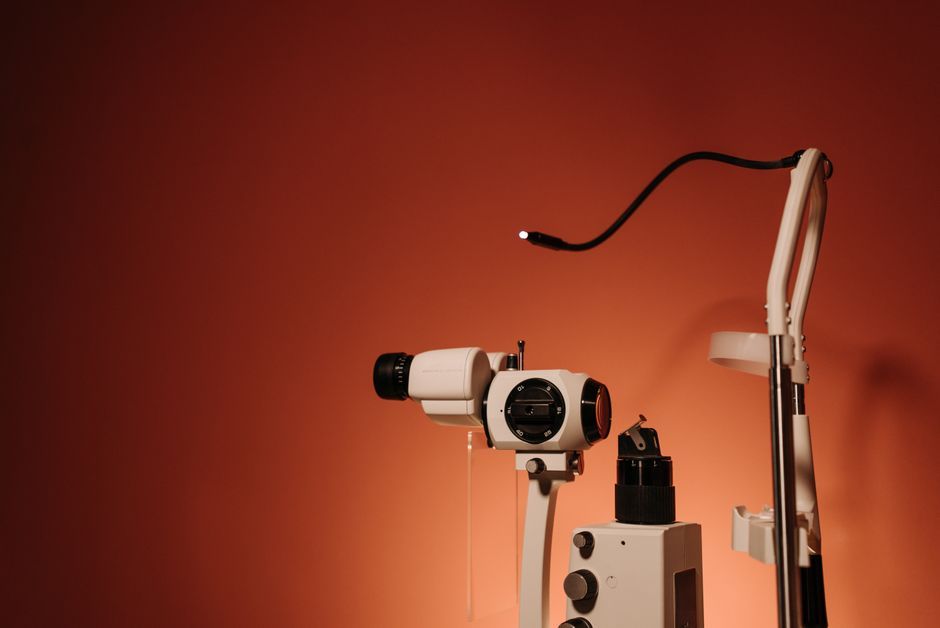
The procedure for using this device involves patients with vision impairment undergoing a roughly one-hour outpatient surgery to implant a tiny chip at the back of the eye. Patients then wear glasses equipped with a camera, which transmits external visual views to the chip. Max Hodak, founder and CEO of Science Corp., stated that this product provides functional vision to those who have lost it.
Age-related macular degeneration is a leading cause of vision loss among the elderly worldwide. The development of bionic eye chips or retinal prosthetics represents a high-level biomedical engineering challenge, as it requires integrating electronic devices with delicate biological tissues like the eye. The fact that a device like PRIMA has achieved European approval reflects a major milestone in turning BCI research into a truly viable commercial medical treatment.
Max Hodak is known as the co-founder and former president of Neuralink, Elon Musk's BCI startup, stepping down in 2021 to found Science Corp. with plans to develop a new form of BCI technology combining silicon chips and living cells. However, the company first needed to prove its operational process and build a sustainable business.
Hodak and his team concluded that this sustainable business would be restoring vision to the visually impaired, particularly patients suffering from light-sensitive cell disorders at the back of the eye. After exploring various approaches, they found that Pixium, a French company developing PRIMA technology, had the right approach, leading to its acquisition in 2024. They then used their internal platform to develop documentation and refine the product for regulatory approval and commercialization.
"This product helps deliver functional vision to those who have lost it."
Max Hodak
Each PRIMR device is expected to cost hundreds of thousands of dollars, and Science Corp. along with its European medical partners are currently negotiating with healthcare providers regarding reimbursement systems. The company is laying the groundwork to launch PRIMA in Germany, the site of its clinical trials, with the first surgeries potentially taking place in September.
Science Corp. hopes to further improve PRIMA's visual capabilities through newer chip versions, as well as evolving the glasses design, which currently still requires a battery pack, with the goal of eventually making them resemble Meta's AR glasses—even though PRIMA's power and processing demands are much higher. Additionally, the company is partnering with Dr. Murat Günel, chair of neurosurgery at the Yale School of Medicine, to develop human trial procedures for directly implanted bio-hybrid brain sensors.
Source: TechCrunch
Found something wrong in this article? Report an issue with this article
Comments
Leave a Comment