

iOS 27.3 hints Apple may bring chatbots to HomeView
New "Conversational Apps" flag and security features spotted in iOS 27.3 beta point toward chatbot support and anti-spoofing lockouts.

Stock photo for illustration only, not from the actual event
- Code for Conversational Apps spotted in iOS 27.3 beta pointing to chatbot support
- Expected to pave the way for AI chatbots like ChatGPT and Claude on smart home hubs
- New anti-spoofing protection requires iPhone authentication after three failed attempts
- Features progressive lockout system starting at one hour and reaching up to eight hours
Software code discovered within the latest iOS 27.3 beta suggests that Apple is laying the groundwork to introduce chatbot support to its smart home hub ecosystem. A newly listed flag specifically points toward a category labeled as "Conversational Apps," indicating preparations for conversational software.
While the company has not yet detailed which specific applications will fall under this classification, it stands to reason that prominent AI chatbots such as ChatGPT and Claude could eventually find a home on the HomeView smart display interface.
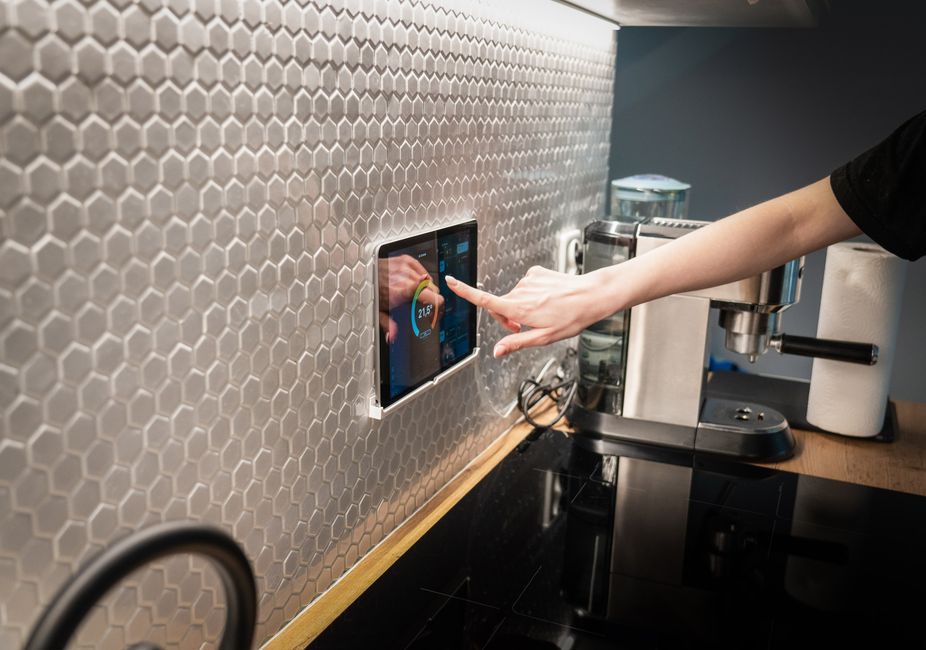
Stock photo for illustration only, not from the actual event
According to findings shared by user pdfu on X, the fresh beta build also introduces support for bidirectional audio routing and session management capabilities, though the source notes these features are still "not fully wired up" at this stage of development.
On the security front, Apple has introduced new anti-spoofing protection measures. The system will mandate that users authenticate their identity using an iPhone if there are three consecutive failed access attempts.
The integration of conversational app flags highlights Apple's broader strategy to embed advanced generative AI capabilities directly into home automation hardware, transforming smart home hubs into more intuitive, conversational assistants.
Furthermore, the software incorporates a progressive lockout system designed to enforce increasingly longer waiting periods following repeated failures. The lockout duration begins at one hour for the second violation and extends up to eight hours for the fourth occurrence.
As of now, neither of these features has received an official announcement from Apple, and there remains no official timeline regarding when they will roll out to the public.
Source: The Verge
Found something wrong in this article? Report an issue with this article
Comments
Leave a Comment