

Pivot-to-Video 2.0: Media Industry Faces Second Wave
Publishers and social platforms navigate the second pivot-to-video wave as TikTok and YouTube capture massive viewer engagement and TV streaming share.

Stock photo for illustration only, not from the actual event
- The media industry is facing a renewed push toward video content in pivot-to-video 2.0.
- Past lessons from inflated Facebook metrics make newsrooms cautious about video strategies.
- YouTube and TikTok have emerged as primary news sources for younger demographics.
- Social platforms are testing features that drop users directly into full-screen video feeds.
Nearly a decade ago, the media industry experienced what it thought was a major video revolution. In the mid-2010s, publications invested heavily in social media video initiatives, hoping to capture larger audiences and new revenue streams. Both print and digital outlets hired dedicated teams, produced high volumes of content, and relied heavily on platforms like Facebook for distribution and reach.
That initial pivot-to-video eventually proved to be misleading when it became evident that Facebook had inflated its video view counts. News organizations subsequently laid off writers and editors to fund video departments, only to cut those video teams later when the strategy failed to yield financial returns. For many industry veterans, social video became synonymous with layoffs and instability rather than prosperity.
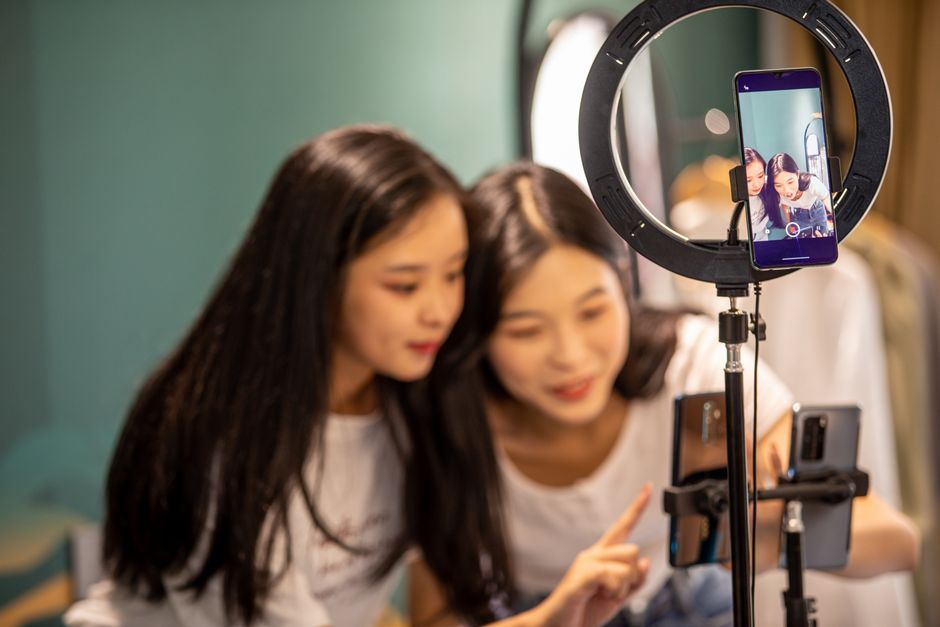
Stock photo for illustration only, not from the actual event
The current phenomenon of Pivot-to-Video 2.0 highlights a permanent shift in consumer media consumption toward short-form video. Unlike the previous decade, the barrier to entry and production costs have dropped significantly, allowing anyone with a smartphone to create personality-driven content that directly challenges traditional journalism formats.
Video consumption metrics across major platforms continue to show dominant growth:
- YouTube has become the most popular streamer, capturing nearly 16 percent of TV viewing.
- Twenty percent of Americans regularly get their news from TikTok.
- The figure jumps to 39 percent for individuals aged 18 to 29 years old.
Viewers increasingly favor stripped-down, selfie-style video dispatches from personalities they trust, even if those creators are not professional journalists. The speed, casual tone, and unfiltered nature of social video stand in stark contrast to traditional newsroom outputs. Yet, as video becomes an unavoidable component of online presence, the media industry finds itself once again compelled to join the movement.
The influence of TikTok is felt across all digital ecosystems, from competitors like Meta's Reels and YouTube Shorts to professional networks like LinkedIn. Time spent watching Facebook Reels reached an all-time high in the third quarter, and early international tests indicate that Meta is exploring concepts to drop users directly into full-screen video upon opening apps.
Source: The Verge
Found something wrong in this article? Report an issue with this article
Comments
Leave a Comment