

Global Antiquity 2024: Fondazione Prada Milan Exhibition
The Global Antiquity exhibition at Fondazione Prada in Milan gathers 1,600-year-old artifacts, exploring ancient trade routes and cultural exchanges across Afroeurasia.

Stock photo for illustration only, not from the actual event
- Hosted at Fondazione Prada in Milan, Italy, spanning 1,600 years of history
- Features coins, silks, steles, and artifacts from four continents illustrating ancient trade networks
- Exhibition design conceptualized by renowned architect Rem Koolhaas alongside the AMO/OMA team
- Explores globality versus globalization through ancient Greco-Roman and Asian cultural interactions
Fondazione Prada in Milan, Italy, has launched a major exhibition titled Global Antiquity: Cultural Interactions in Afroeurasian Space 600 BCE–1000 CE, inviting visitors to examine the ancient trade networks that connected distant civilizations through objects, rituals, and visual languages. The exhibition opens with an epilogue named 'An Impossible Encounter,' featuring three busts: two likely Roman men and a meditating Buddha originating from the Gandhara region of Pakistan.
Fascinatingly, the occidental figures flanking the Buddha carry traces of Eastern artistic influence, such as a marble bust carved with an 'Indian bun' atop its head, alongside a depiction of a Greek philosopher who encountered Indian sages in the first century CE.
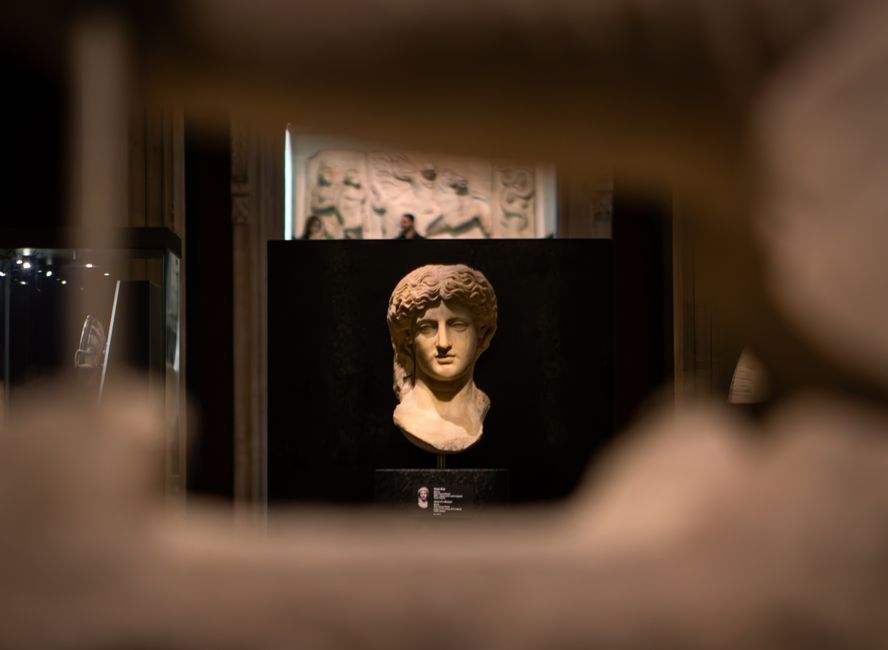
Stock photo for illustration only, not from the actual event
The exhibition space was designed by renowned architect Rem Koolhaas with Giulio Margheri and the AMO/OMA team. Commenting on the textiles, coins, and steles on display, Koolhaas noted that each and every object has its own demands and comes with its own protocol and its own complexity. The collection brought to Milan spans sixteen centuries of Eurasian and North African history sourced from four continents.
Bringing together artifacts from diverse ancient civilizations within the Fondazione Prada venue highlights how cross-cultural exchanges historically transcended simple geographic borders. By examining these material histories, visitors gain deeper insights into the persistent human impulse to connect across different cultures and eras.
The migration section opens by tracing the diffusion of wine across Eurasia with reference to Greek mythology, displaying drinking vessels ranging from pottery discovered in an Italian necropolis to artifacts found in Greece, Ukraine, Iranian Azerbaijan, and China, all sharing familiar animal and horn-like shapes.
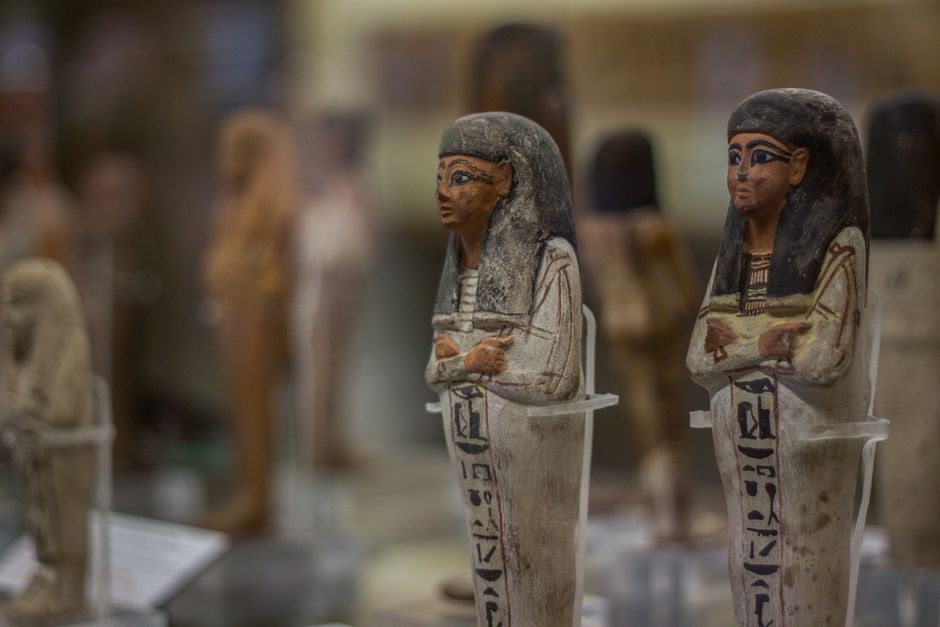
Stock photo for illustration only, not from the actual event
Source: designboom
Found something wrong in this article? Report an issue with this article
Comments
Leave a Comment